



10
2024
-
08
Unlocking the Benefits of Custom Aluminum Casting in Manufacturing
Author:
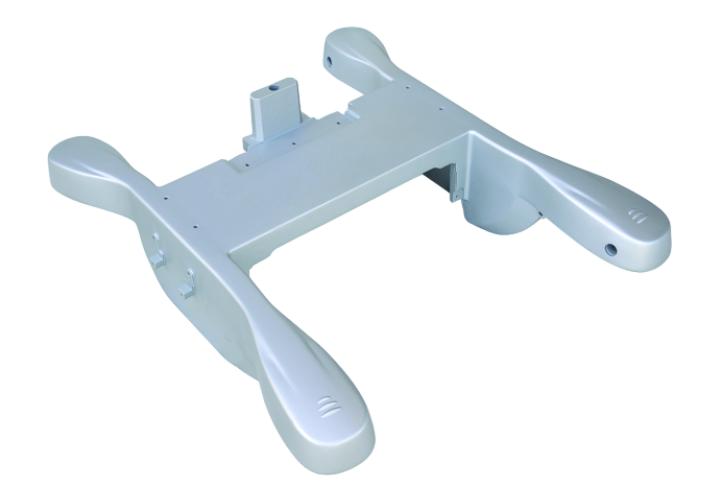
Aluminum casting involves pouring molten aluminum into molds, where it solidifies into the desired shape. This method is highly versatile and allows for the creation of intricate designs that would be challenging to achieve with other manufacturing techniques. One of the main advantages of custom aluminum casting is its ability to produce complex geometries with high precision. This is especially beneficial in industries where exact specifications are critical, such as aerospace, automotive, and machinery manufacturing.
Another significant benefit of custom aluminum casting is its lightweight nature. Aluminum is known for its excellent strength-to-weight ratio, making it an ideal material for applications where weight reduction is essential without compromising structural integrity. This characteristic is particularly valuable in industries that prioritize fuel efficiency and overall performance, such as automotive and aerospace.
Moreover, custom aluminum casting can lead to significant cost savings. By utilizing this process, manufacturers can reduce material waste and streamline production. Unlike traditional machining processes, which often involve cutting away material from a larger block, casting allows for near-net-shape production. This means that the final product requires less post-processing, thereby saving both time and labor costs.
In addition to cost efficiency, custom aluminum casting also supports sustainability efforts. Aluminum is highly recyclable, and utilizing recycled aluminum in casting can further reduce the environmental impact of manufacturing processes. This aligns with the growing demand for sustainable practices in the industry, making custom aluminum casting an attractive option for environmentally conscious companies.
Furthermore, custom aluminum casting can be tailored to meet specific customer requirements, including surface finishes, tolerances, and mechanical properties. This flexibility allows businesses to create products that meet precise industry standards and customer needs, enhancing competitiveness in the market.
Investing in custom aluminum casting can also lead to improved product quality. The casting process allows for uniform material properties and reduced defects, resulting in a reliable end product. This is particularly important in sectors where safety and reliability are paramount.
In summary, custom aluminum casting presents numerous advantages for manufacturers in the mechanical hardware processing industry. From its capability to produce complex shapes with high precision to its cost-saving potential and sustainability benefits, it is a process worth considering for enhancing production efficiency and product quality. By leveraging the unique properties of aluminum, businesses can meet the demands of modern manufacturing while ensuring they remain competitive in their respective markets.
custom aluminum casting
30
2026-09
The Art of Crafting Durable Aluminum Casts for Industrial Applications
27
2026-09
The Essential Guide to Die Casting: Techniques, Applications, and Benefits
24
2026-09
How to Stay Ahead in Mold Forging: Insights for Manufacturers
21
2026-09
The Essential Guide to Forging Molds: Understanding Their Importance in Manufacturing
18
2026-09
Zinc Die Casting Parts: A Premier Cost-Effective Solution for Customized Manufacturing
15
2026-09
The Intricacies of Zinc Alloy Die Casting: A Comprehensive Overview
12
2026-09
The Art of Creating Intricate Designs Through Aluminum Prototype Casting
GM Diecasting Technology Co.,Limited.
Add:Building 1-5, Chongke Road, Shipai Town, Dongguan City, Guangdong Province
Email:henry@gmdiecastingtech.com
Email:lily@gmdiecastingtech.com
Tel:+8613680864695