



27
2024
-
08
Zinc Alloy Molds: Innovative Solutions for Overcoming Complex Manufacturing Challenges
Author:
Zinc Alloy Molds: Innovative Solutions for Overcoming Complex Manufacturing Challenges
Manufacturing has always been a field of innovation, requiring constant adaptation to new challenges and demands. Among the various materials and technologies that have emerged, **zinc alloy molds** stand out for their remarkable properties and diverse applications. This article will delve deeply into how zinc alloy molds provide solutions for complex manufacturing challenges, focusing on their advantages, processes, and real-world applications.
Table of Contents
1. Introduction to Zinc Alloy Molds
2. Benefits of Zinc Alloy Molds
- 2.1 Durability and Strength
- 2.2 Precision and Accuracy
- 2.3 Cost-effectiveness
3. Applications of Zinc Alloy Molds in Manufacturing
- 3.1 Automotive Industry
- 3.2 Electronics Sector
- 3.3 Consumer Goods Manufacturing
4. Manufacturing Process of Zinc Alloy Molds
- 4.1 Casting Techniques
- 4.2 Finishing Processes
5. Common Challenges in Using Zinc Alloy Molds
6. The Future of Zinc Alloy Molds in Manufacturing
7. Frequently Asked Questions (FAQs)
8. Conclusion
Introduction to Zinc Alloy Molds
Zinc alloy molds are becoming increasingly popular due to their superior characteristics and the innovative solutions they offer for various manufacturing challenges. Comprising primarily of zinc combined with other metals like aluminum and copper, these molds exhibit exceptional physical and mechanical properties. **Manufacturers around the globe** are leveraging these molds to meet the rising demands for quality, efficiency, and cost-effectiveness.
Benefits of Zinc Alloy Molds
Creating molds from zinc alloys presents a variety of benefits that enhance manufacturing processes. Understanding these advantages can help manufacturers make informed decisions.
Durability and Strength
One of the primary attributes of zinc alloy molds is their **durability**. These molds are resistant to wear and tear, making them suitable for high-volume production runs. Unlike traditional molds, zinc alloy molds withstand the rigors of repeated use without significant degradation, ensuring a longer lifespan and reduced replacement costs.
Precision and Accuracy
Zinc alloy molds allow for **high precision** and **accuracy** in manufacturing. The characteristics of zinc alloys enable the creation of intricate designs and detailed specifications, essential for complex components. High dimensional stability ensures that the final products maintain their specifications, leading to fewer reworks and higher quality.
Cost-effectiveness
In an industry where cost management is crucial, zinc alloy molds present a **cost-effective** alternative. Their durability reduces the frequency of replacements, while their precision minimizes waste during production. Overall, the investment in zinc alloy molds leads to significant savings in both time and materials.
Applications of Zinc Alloy Molds in Manufacturing
Zinc alloy molds are versatile and can be utilized in various manufacturing sectors. Some of the most notable applications include:
Automotive Industry
The automotive industry benefits immensely from zinc alloy molds. Components such as **gear casings, brackets,** and other intricate parts require molds that can withstand high pressures and temperatures. Zinc alloys are ideal for such applications, providing strength and functionality that meet industry standards.
Electronics Sector
With the increasing demand for compact and lightweight electronic devices, zinc alloy molds are crucial in producing components like **enclosures, connectors,** and **heat sinks**. Their ability to deliver complex geometries ensures that manufacturers can create innovative electronic designs while adhering to stringent quality standards.
Consumer Goods Manufacturing
From household appliances to sporting goods, consumer products often rely on zinc alloy molds. The versatility of these molds allows manufacturers to produce a wide range of items with intricate designs, all while maintaining durability and aesthetic appeal.
Manufacturing Process of Zinc Alloy Molds
The production of zinc alloy molds involves several key steps, ensuring that the molds meet the high standards required by manufacturers.
Casting Techniques
The initial step in creating zinc alloy molds is the **casting process**. Various casting techniques can be employed, including die casting and investment casting. Each method has unique advantages and is selected based on the desired properties of the final product. Die casting, for instance, is often favored for its ability to produce high volumes of parts with consistent quality.
Finishing Processes
After the casting, finishing processes play a crucial role in finalizing the molds. These processes may include machining, polishing, and surface treatment to enhance the mold's performance and appearance. Proper finishing ensures that molds can effectively produce high-quality components with minimal defects.
Common Challenges in Using Zinc Alloy Molds
While zinc alloy molds offer several advantages, they are not without challenges. Understanding these challenges is essential for manufacturers to optimize their processes.
One common issue is **dimensional accuracy**. Although zinc alloys provide excellent precision, variations in temperature during the casting process can lead to minor discrepancies. Manufacturers must closely monitor temperature conditions to mitigate this risk.
Another challenge is the **design complexity**. While zinc alloys can be molded into intricate shapes, extreme designs may still pose difficulties during the manufacturing process. It is crucial for designers to collaborate with engineers to ensure that the mold designs are feasible and practical.
The Future of Zinc Alloy Molds in Manufacturing
As technology continues to evolve, the future for zinc alloy molds looks promising. Advancements in casting techniques and materials science will likely lead to even more innovative applications. Furthermore, as industries push for sustainability and efficiency, zinc alloys may play a critical role in developing eco-friendly manufacturing solutions.
Manufacturers can also expect to see improvements in **3D printing** technologies, allowing for more rapid prototyping and mold creation. This will enable faster production cycles and the ability to test various designs before committing to full-scale production.
Frequently Asked Questions (FAQs)
1. What are zinc alloy molds used for?
Zinc alloy molds are primarily used for producing parts and components in various industries, including automotive, electronics, and consumer goods. Their precision and durability make them ideal for high-volume production.
2. How do zinc alloy molds compare to traditional steel molds?
Zinc alloy molds offer several advantages over traditional steel molds, including lower production costs, lighter weight, and better resistance to wear and tear. However, they might not be as suitable for extremely high-temperature applications.
3. Can zinc alloy molds be customized?
Yes, zinc alloy molds can be customized to meet specific design requirements. Manufacturers can work closely with engineers to create molds that fit unique product specifications.
4. What maintenance do zinc alloy molds require?
Zinc alloy molds require regular cleaning and inspection to ensure optimal performance. Proper maintenance can significantly extend the lifespan of the molds.
5. Are zinc alloy molds environmentally friendly?
Zinc alloys can be recycled, making them a more environmentally friendly option compared to some traditional molding materials. Additionally, manufacturers are increasingly focusing on sustainable practices in their operations.
Conclusion
In a constantly evolving manufacturing landscape, **zinc alloy molds** present innovative solutions to complex challenges. Their durability, precision, and cost-effectiveness make them a valuable asset across various industries. As manufacturers seek to enhance their production processes and meet growing demands, the role of zinc alloy molds will undoubtedly expand, paving the way for more efficient and advanced manufacturing practices. Embracing these molds not only addresses current challenges but also prepares manufacturers for a sustainable and innovative future.
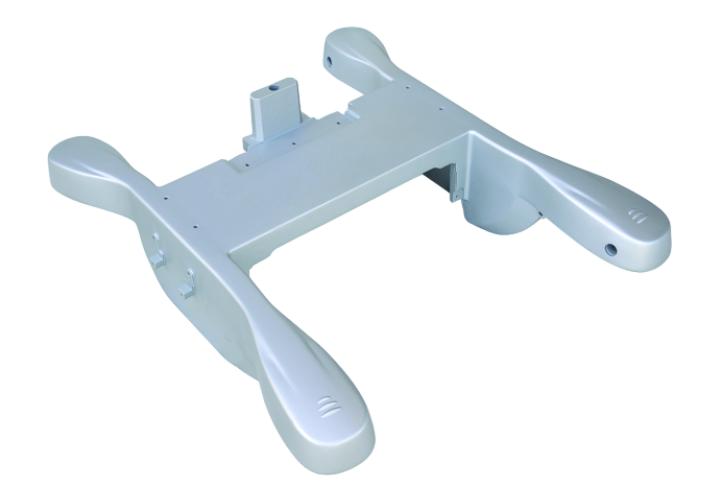
Zinc alloy mold factory
30
2026-09
The Art of Crafting Durable Aluminum Casts for Industrial Applications
27
2026-09
The Essential Guide to Die Casting: Techniques, Applications, and Benefits
24
2026-09
How to Stay Ahead in Mold Forging: Insights for Manufacturers
21
2026-09
The Essential Guide to Forging Molds: Understanding Their Importance in Manufacturing
18
2026-09
Zinc Die Casting Parts: A Premier Cost-Effective Solution for Customized Manufacturing
15
2026-09
The Intricacies of Zinc Alloy Die Casting: A Comprehensive Overview
12
2026-09
The Art of Creating Intricate Designs Through Aluminum Prototype Casting
GM Diecasting Technology Co.,Limited.
Add:Building 1-5, Chongke Road, Shipai Town, Dongguan City, Guangdong Province
Email:henry@gmdiecastingtech.com
Email:lily@gmdiecastingtech.com
Tel:+8613680864695