
18

2025

-

03

Zinc die casting production process full analysis

Author:


Zinc die casting is an important metal processing technology. The following is a comprehensive analysis of its production process.

The first is the mold preparation stage. High-quality molds are the basis of zinc die casting and need to be precisely manufactured according to the design requirements of the product. The mold should have a suitable cavity structure, cooling system and ejection device. Before die casting production, the mold should be preheated to a certain temperature, which helps the zinc alloy molten liquid to fill the mold smoothly and improve the service life of the mold.
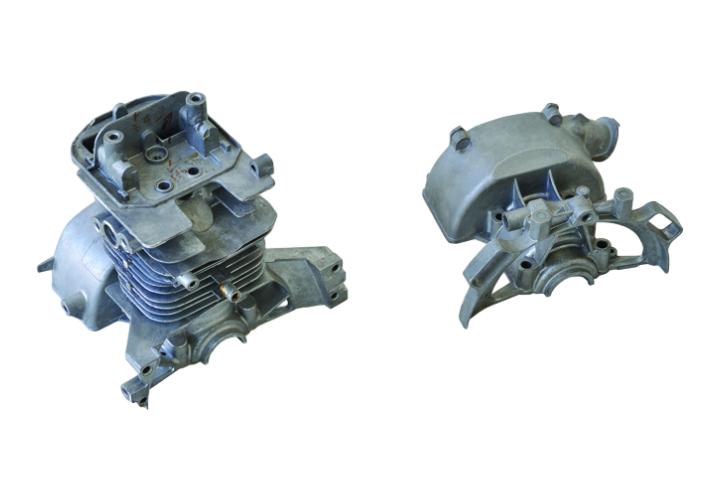
Zinc die casting

The next step is the smelting of zinc alloy. The zinc alloy raw materials are put into the furnace and heated to a suitable temperature. During the smelting process, the temperature needs to be strictly controlled to ensure the quality of the zinc alloy. At the same time, the alloy composition should be tested and adjusted, and some trace elements may be added to improve the performance of the alloy, such as increasing strength or improving fluidity.

Then comes the die casting link. The smelted zinc alloy molten liquid is injected into the preheated mold cavity at high speed through the injection system. The reasonable setting of parameters such as injection pressure, speed and time is crucial. The right injection pressure ensures that the molten metal fills the entire cavity, while the right speed avoids defects such as pores or cold shuts.

Demolding is an important step after die casting. When the die-cast part cools to a certain degree in the mold, it is removed from the mold by the ejector.

The final stage is the post-processing stage. This includes cleaning the die casting and removing burrs, gates and other excess parts on the surface. Some surface treatments such as electroplating and spraying may also be performed to improve the appearance quality and corrosion resistance of the product. Through this series of processes, zinc die casting produces a variety of high-quality metal products that meet different needs.

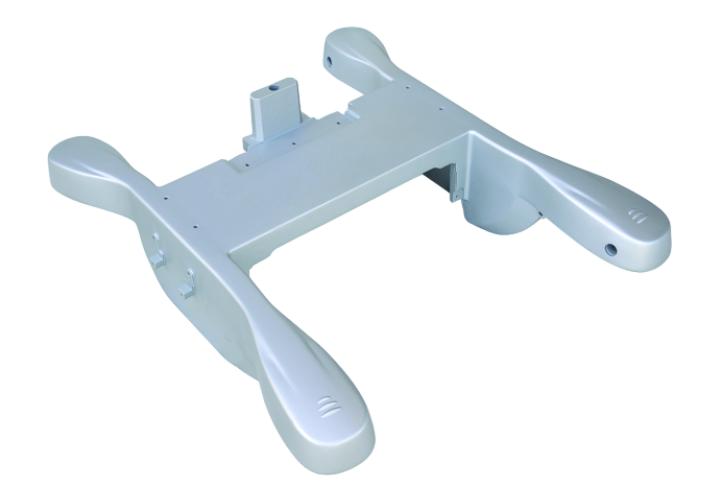
Zinc die casting
19

2026-08

Mastering Precision Production with Zinc Alloy Molding: Unleashing the Power of Advanced Manufacturing Techniques

Mastering Precision Production with Zinc Alloy Molding Table of Contents 1. Introduction to Zinc Alloy Molding 2. What is Zinc Alloy? 3. Benefits of Zinc Alloy Molding in Manufacturing 4. Applications of Zinc Alloy Molding 5. The Zinc Alloy Molding Process Explained 6. Best Practices for Successful Zinc Alloy Molding 7. Common Challenges in Zinc Alloy Molding 8. The Future of Zinc

16

2026-08

Understanding Zinc Alloys: Properties, Applications, and Benefits

Zinc alloys are a group of metallic compounds that primarily consist of zinc, often combined with other metals such as aluminum, copper, and magnesium. These alloys are known for their excellent corrosion resistance, high strength-to-weight ratio, and good casting properties, making them ideal for a wide array of industrial applications. One of the most significant advantages of zinc alloys is the

13

2026-08

Revolutionizing Manufacturing: The Role of Aluminum Alloy in Modern Industry

Revolutionizing Manufacturing: The Role of Aluminum Alloy in Modern Industry Table of Contents 1. Introduction to Aluminum Alloys 2. What are Aluminum Alloys? 3. Types of Aluminum Alloys 4. Benefits of Using Aluminum Alloys in Manufacturing 5. Key Applications of Aluminum Alloys in Various Industries 6. Innovations in Aluminum Alloy Manufacturing 7. Challenges in Alumi

10

2026-08

Exploring the Benefits and Techniques of Aluminum Casting in Manufacturing

Aluminum casting is a pivotal process in the manufacturing and machining industry, particularly in the realm of mold-making and die-casting. This technique involves pouring molten aluminum into a mold to create complex shapes and components. The lightweight, durable, and corrosion-resistant nature of aluminum makes it an ideal material for a wide range of applications, from automotive parts to con

07

2026-08

The Future of Manufacturing: Advancements in Die Casting Technology

The Future of Manufacturing: Advancements in Die Casting Technology In the rapidly evolving landscape of manufacturing, advancements in die casting technology are setting the stage for a remarkable transformation. As industries strive for greater efficiency, reduced costs, and enhanced product quality, the die casting process offers a solution that meets these demands. This article delves into the

04

2026-08

Understanding Mold Forging: Key Insights for Manufacturing Professionals

Mold forging is a sophisticated manufacturing technique used primarily in the production of high-strength components. This process combines the benefits of forging and the versatility of molds, making it an invaluable method in industries such as automotive, aerospace, and machinery manufacturing. Understanding the intricacies of mold forging can significantly enhance your production capabilities

01

2026-08

Exploring Different Types of Forging Molds: A Comprehensive Guide

Exploring Different Types of Forging Molds: A Comprehensive Guide Table of Contents 1. Introduction to Forging Molds 2. What is Forging? 3. Types of Forging Molds 3.1 Open Die Forging Molds 3.2 Closed Die Forging Molds 3.3 Precision Forging Molds 3.4 Hammer Forging Molds 3.5 Roll Forging Molds 4. Applications of Forging Molds 5. Benefits of Using Forging Molds 6. Cho

29

2026-07

Understanding the Benefits of Zinc Die Casting Parts in Precision Manufacturing

Zinc die casting parts are increasingly popular in the manufacturing sector, particularly in the field of precision machining and metalworking. The die casting process involves forcing molten zinc into a mold cavity under high pressure, resulting in intricate components that exhibit excellent dimensional accuracy and surface finish. This method is particularly advantageous for industries that requ