



11
2025
-
02
Zinc die casting parts
Author:
Zinc die casting parts occupy an important position in modern manufacturing. Its unique characteristics and wide range of applications make it an indispensable component of many product manufacturing.
1. Process principle
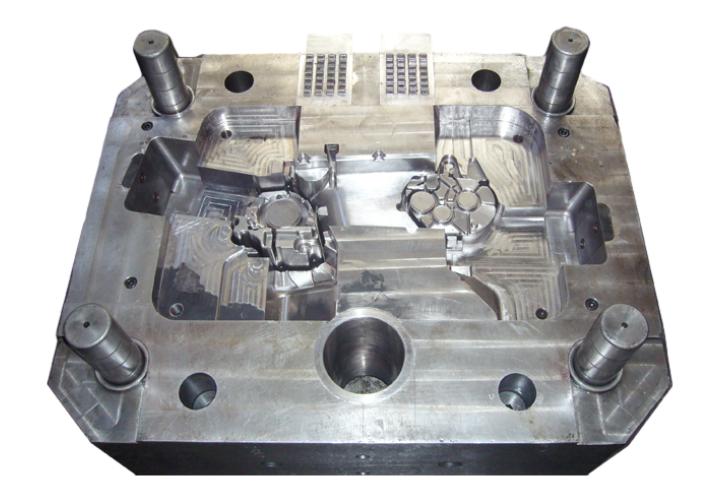
Zinc die casting is a manufacturing process that melts zinc alloy at high temperature and then injects liquid zinc alloy into the cavity of precision mold by high pressure. This process can quickly and efficiently produce parts with complex shapes and precise dimensions. The accuracy of the mold directly determines the accuracy of the die-casting parts. Through carefully designed and manufactured molds, zinc die casting parts with high consistency can be produced.
2. Product characteristics
Precise size and good shape complexity
Since the zinc die casting process uses mold molding, the dimensional accuracy of the parts can be controlled within a very small tolerance range. Whether it is a tiny electronic component housing or a mechanical part with a complex internal structure and external shape, zinc die casting can be precisely molded. This feature makes zinc die casting parts widely used in industries with strict requirements on size and shape, such as automotive engine parts, precision electronic equipment, etc.
High strength and good durability
Zinc alloy itself has a certain strength. After the die-casting process, the internal structure of the parts is dense and can withstand certain mechanical stress. Under normal use conditions, zinc die casting parts show good durability. For example, in some home hardware products, such as door handles and hinges, zinc die casting parts can withstand daily opening and closing and use wear and tear, and maintain a long service life.
Good surface quality and machinability
After die-casting, the surface of zinc die casting parts is smooth and has good appearance quality. In addition, these parts can be further surface treated, such as electroplating, spraying, etc., to meet different appearance and functional requirements. In addition, zinc die casting parts can also be subjected to subsequent mechanical processing, such as drilling and tapping, which is convenient for assembly and connection with other parts.
3. Application fields
Automobile industry
In automobile manufacturing, zinc die casting parts are widely used in engine parts, interior parts and exterior parts. For example, some small brackets and intake manifolds of the engine are manufactured by zinc die casting, which can not only ensure the precision and strength of the parts, but also meet the requirements of lightweight automobiles. Some knobs and decorative strips in the interior of automobiles are also often produced by zinc die casting to provide good appearance and touch.
Electronics Industry
For electronic equipment, zinc die casting parts are often used to manufacture parts such as housings and radiators. For example, the metal housing parts of electronic devices such as mobile phones and tablets can achieve complex styling designs while ensuring the strength of the housing and the protection of internal electronic components. The radiator of electronic equipment uses zinc die casting parts, which can effectively dissipate heat and ensure the normal operation of the equipment.
Home Hardware and Building Decoration
In terms of home hardware, zinc die casting parts such as door locks, window locks, and furniture feet can be seen everywhere. In the field of architectural decoration, some decorative metal components such as carvings and decorative panels can also be produced by zinc die casting, adding beauty and uniqueness to the building.
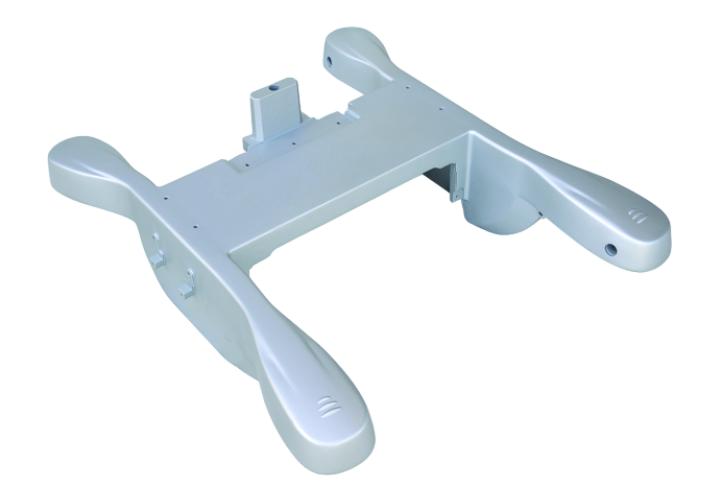
Zinc die casting parts
30
2026-09
The Art of Crafting Durable Aluminum Casts for Industrial Applications
27
2026-09
The Essential Guide to Die Casting: Techniques, Applications, and Benefits
24
2026-09
How to Stay Ahead in Mold Forging: Insights for Manufacturers
21
2026-09
The Essential Guide to Forging Molds: Understanding Their Importance in Manufacturing
18
2026-09
Zinc Die Casting Parts: A Premier Cost-Effective Solution for Customized Manufacturing
15
2026-09
The Intricacies of Zinc Alloy Die Casting: A Comprehensive Overview
12
2026-09
The Art of Creating Intricate Designs Through Aluminum Prototype Casting
GM Diecasting Technology Co.,Limited.
Add:Building 1-5, Chongke Road, Shipai Town, Dongguan City, Guangdong Province
Email:henry@gmdiecastingtech.com
Email:lily@gmdiecastingtech.com
Tel:+8613680864695