



19
2025
-
02
How to extend the service life of steel mold for aluminum casting
Author:
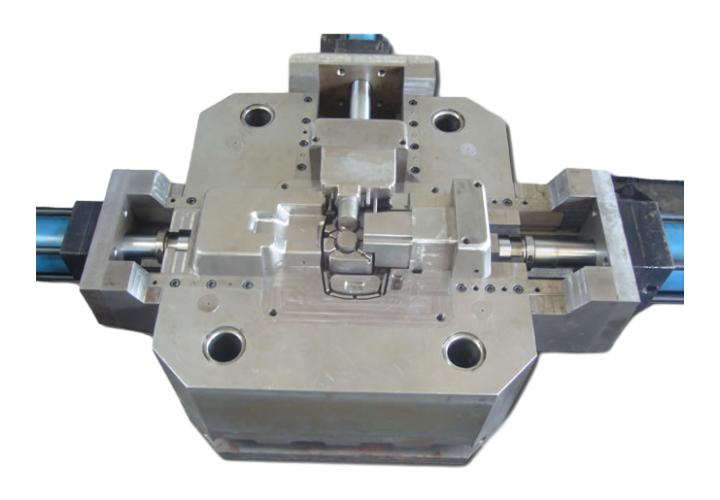
Steel mold for aluminum casting plays a key role in the casting process, and extending its service life is of great significance for reducing costs and improving production efficiency.
1. Reasonable mold design
The structural design of steel mold for aluminum casting should avoid stress concentration. For example, a suitable rounded transition should be used at the corners instead of a sharp right angle. Reasonable wall thickness design is also critical. It should not be too thick to cause material waste and uneven cooling, nor too thin to withstand the casting pressure. In addition, the exhaust design of the mold should be good to avoid internal pressure caused by the inability to discharge gas during the casting process, which will damage the mold.
2. Correct material selection
Choosing the right steel is the basis. Steel with high hardness, high wear resistance and good thermal fatigue performance should be selected. At the same time, the purity of the steel is also very important. Steel with less impurities can reduce internal defects and improve the overall quality of the mold.
3. Good preheating and cooling
Before casting, proper preheating of the steel mold can reduce the temperature difference between the mold and the aluminum liquid and reduce thermal shock. After casting, the correct cooling method can prevent cracks in the mold. For example, use a gradual cooling method to avoid rapid cooling.
4. Regular maintenance
Regularly clean the aluminum chips, oxides and other impurities on the surface of the steel mold for aluminum casting to prevent them from corroding or wearing the mold surface. At the same time, check the mold and repair the worn and deformed parts in time. For example, use repair welding, grinding and other processes to restore the mold to normal working condition.
5. Correct use and operation
During the aluminum casting process, the operation must be strictly followed. Avoid excessive impact and overload when using the mold, control the parameters such as the pouring speed and temperature of the aluminum liquid, and ensure that the mold operates under normal working conditions.
Steel mold for aluminum casting
Previous Page
Next Page
Previous Page
Next Page
30
2026-09
The Art of Crafting Durable Aluminum Casts for Industrial Applications
27
2026-09
The Essential Guide to Die Casting: Techniques, Applications, and Benefits
24
2026-09
How to Stay Ahead in Mold Forging: Insights for Manufacturers
21
2026-09
The Essential Guide to Forging Molds: Understanding Their Importance in Manufacturing
18
2026-09
Zinc Die Casting Parts: A Premier Cost-Effective Solution for Customized Manufacturing
15
2026-09
The Intricacies of Zinc Alloy Die Casting: A Comprehensive Overview
12
2026-09
The Art of Creating Intricate Designs Through Aluminum Prototype Casting
GM Diecasting Technology Co.,Limited.
Add:Building 1-5, Chongke Road, Shipai Town, Dongguan City, Guangdong Province
Email:henry@gmdiecastingtech.com
Email:lily@gmdiecastingtech.com
Tel:+8613680864695