



31
2025
-
03
customize Prototype aluminum casting
Author:
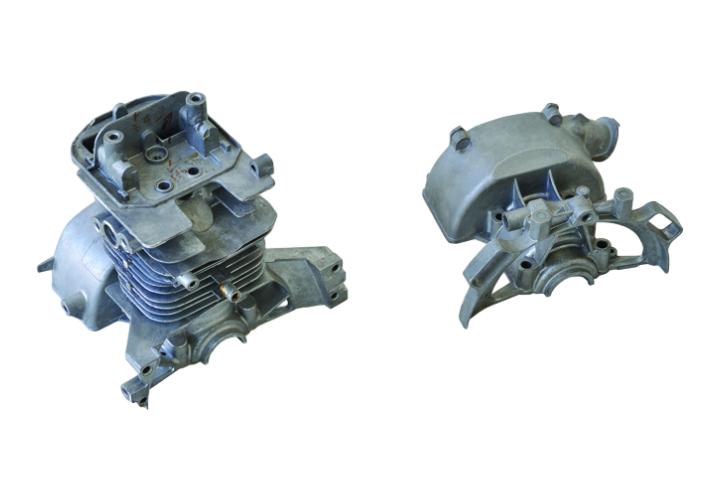
Prototype aluminum casting is a component that plays an important role in the product development and manufacturing process.
1. Material properties
Advantages of aluminum
Aluminum is a lightweight and high-strength metal material. Prototype aluminum casting takes advantage of the low density of aluminum, giving it a significant advantage in weight. This is very important for weight-sensitive products such as aerospace models and high-end automotive parts prototypes. While ensuring a certain structural strength, the overall weight is reduced.
Aluminum has good thermal conductivity and electrical conductivity. In some prototype products that require heat dissipation or conductive functions, prototype aluminum casting can meet the needs well. For example, in the heat dissipation structure prototype of electronic equipment, aluminum castings can effectively conduct heat away.
Aluminum also has good corrosion resistance. Under normal environmental conditions, prototype aluminum casting is not easy to rust or corrode, and can maintain the stability of its structure and performance.
2. Casting process
Precise molding
Advanced casting technology can produce complex-shaped prototype aluminum castings. Whether it is a prototype of a mechanical part with a fine internal structure or a prototype of a product shell with a unique appearance, it can be achieved through precise molds and casting technology.
The shrinkage rate in the casting process is well controlled, which makes the aluminum castings produced have high dimensional accuracy. In the product development stage, this high-precision prototype can accurately reflect the design concept of the product and provide a reliable reference for subsequent testing, improvement and mass production.
3. Application Scope
Industrial Product Development
In many industrial fields, such as machinery manufacturing, automobiles, aerospace, etc., prototype aluminum casting is widely used for concept verification, functional testing and design optimization of new products. Engineers can find problems in the design in time through actual operation and testing of aluminum casting prototypes, and adjust the structure and performance of the product.
Creative Product Production
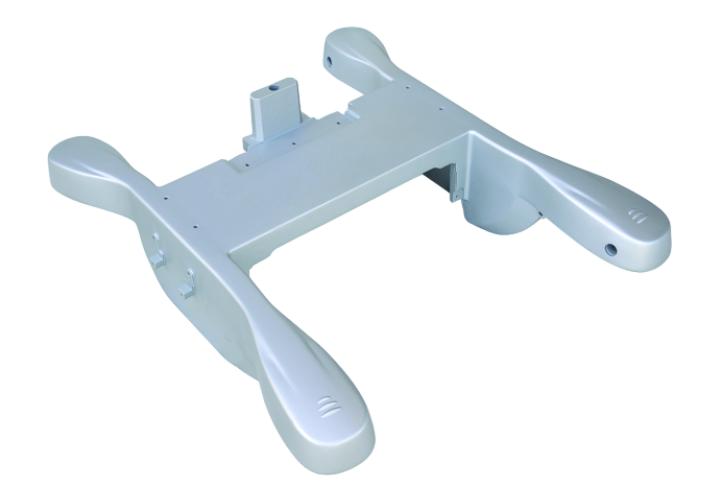
For some creative products, such as art installations, high-end customized products, etc., prototype aluminum casting can quickly transform unique design ideas into physical models. It can produce prototypes with exquisite appearance and reasonable structure in a short time, which is conducive to the realization and display of creativity.
4. Cost-effectiveness
High cost performance
Compared with the prototype manufacturing of some other metal materials, prototype aluminum casting has certain advantages in cost. It can reduce production costs, shorten the R&D cycle, and improve the efficiency and success rate of product development on the premise of meeting product R&D needs.
Prototype aluminum casting
Previous Page
Previous Page
30
2026-09
The Art of Crafting Durable Aluminum Casts for Industrial Applications
27
2026-09
The Essential Guide to Die Casting: Techniques, Applications, and Benefits
24
2026-09
How to Stay Ahead in Mold Forging: Insights for Manufacturers
21
2026-09
The Essential Guide to Forging Molds: Understanding Their Importance in Manufacturing
18
2026-09
Zinc Die Casting Parts: A Premier Cost-Effective Solution for Customized Manufacturing
15
2026-09
The Intricacies of Zinc Alloy Die Casting: A Comprehensive Overview
12
2026-09
The Art of Creating Intricate Designs Through Aluminum Prototype Casting
GM Diecasting Technology Co.,Limited.
Add:Building 1-5, Chongke Road, Shipai Town, Dongguan City, Guangdong Province
Email:henry@gmdiecastingtech.com
Email:lily@gmdiecastingtech.com
Tel:+8613680864695