



01
2024
-
09
Understanding the Essentials of quality Prototype Aluminum Casting in Manufacturing
Author:
Prototype aluminum casting is a crucial technique in the manufacturing sector, particularly for those involved in die-casting and forging molds. This process allows manufacturers to create initial versions of aluminum components, facilitating both testing and design validation before moving on to full-scale production. By utilizing prototype aluminum casting, companies can significantly reduce development time and costs while ensuring that the final product meets the required specifications.
The primary advantage of prototype aluminum casting lies in its ability to produce lightweight yet strong components. Aluminum, being a versatile material, offers excellent corrosion resistance and can withstand high temperatures, making it an ideal choice for various applications—especially in the aerospace, automotive, and machinery industries. This is particularly beneficial when designing complex geometries that require precise dimensional accuracy.
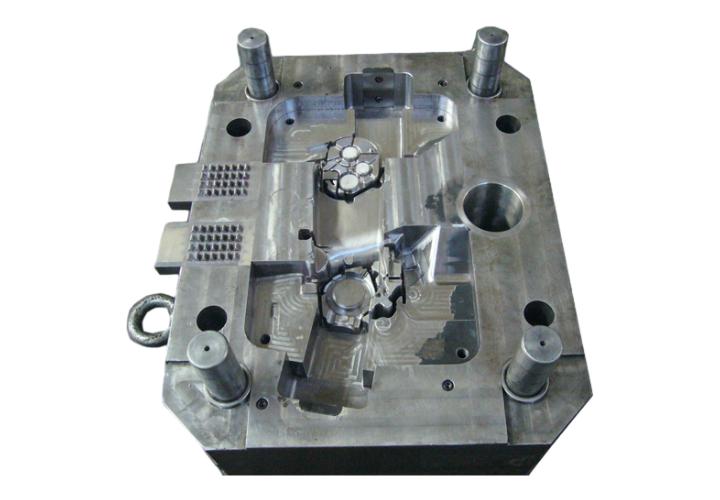
The process begins with creating a detailed 3D model of the part to be cast. Advanced software tools, such as CAD (Computer-Aided Design), are employed to design the component, which provides a clear visual of the final product. Once the design is complete, a mold is fabricated, typically using materials that can withstand the high temperatures associated with molten aluminum. These molds can be made from steel or other durable materials, depending on the complexity and size of the part.
After the mold is prepared, the aluminum is melted in a furnace and poured into the mold cavity. The cooling process begins immediately as the aluminum interacts with the mold surface, allowing it to take the desired shape. Once solidified, the prototype is removed from the mold and subjected to rigorous quality inspections. This evaluation phase is critical, as it identifies any potential defects or design issues that need addressing before mass production.
One of the key benefits of using prototype aluminum casting is the ability to refine designs through iterative testing. Engineers can analyze the prototype's performance under specific conditions, making adjustments as necessary to enhance functionality and durability. This iterative approach minimizes the risk of costly errors during large-scale production, ultimately leading to a higher quality final product.
In conclusion, prototype aluminum casting is an invaluable tool in the manufacturing industry. Its ability to produce high-quality, lightweight components quickly and efficiently enables businesses to innovate and compete in a constantly evolving market landscape. By investing in prototype casting, companies can streamline their production processes, reduce costs, and ensure that their products meet the highest standards of quality and performance.
quality Prototype Aluminum Casting
30
2026-09
The Art of Crafting Durable Aluminum Casts for Industrial Applications
27
2026-09
The Essential Guide to Die Casting: Techniques, Applications, and Benefits
24
2026-09
How to Stay Ahead in Mold Forging: Insights for Manufacturers
21
2026-09
The Essential Guide to Forging Molds: Understanding Their Importance in Manufacturing
18
2026-09
Zinc Die Casting Parts: A Premier Cost-Effective Solution for Customized Manufacturing
15
2026-09
The Intricacies of Zinc Alloy Die Casting: A Comprehensive Overview
12
2026-09
The Art of Creating Intricate Designs Through Aluminum Prototype Casting
GM Diecasting Technology Co.,Limited.
Add:Building 1-5, Chongke Road, Shipai Town, Dongguan City, Guangdong Province
Email:henry@gmdiecastingtech.com
Email:lily@gmdiecastingtech.com
Tel:+8613680864695