



02
2024
-
09
Understanding Zinc Die Casting Parts of china: Benefits and Applications in Manufacturing
Author:
Zinc die casting parts are integral components in various manufacturing and mechanical processing industries. This technique involves forcing molten zinc into a mold to create precise and durable parts that can meet the rigorous demands of different applications. The benefits of using zinc die casting parts are numerous, making them a preferred choice for manufacturers looking for quality and efficiency.
One of the primary advantages of zinc die casting is its ability to produce complex shapes with high dimensional accuracy. This precision is essential in industries where component fit and function are critical, such as automotive, electronics, and industrial machinery. The smooth surface finish achieved through the die casting process often eliminates the need for extensive post-processing, saving both time and costs in production.
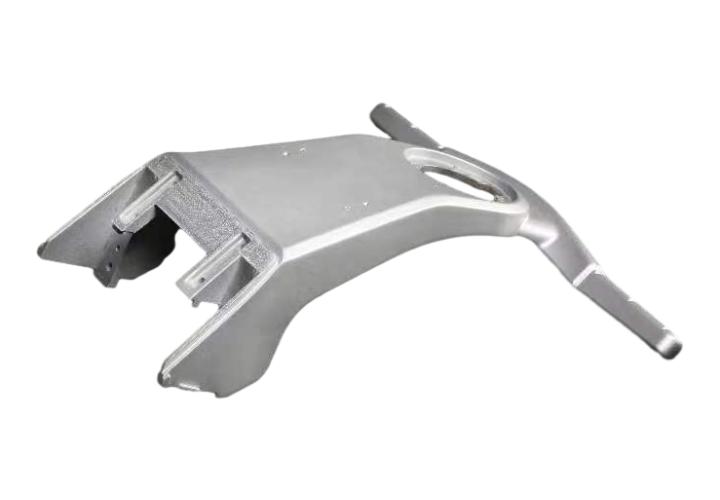
Zinc die casting parts also exhibit excellent mechanical properties. Zinc is known for its strength and resistance to corrosion, which is crucial for parts that will be exposed to various environmental conditions. The longevity of zinc components can significantly reduce maintenance costs and downtime in industrial applications. Additionally, zinc alloys possess good fluidity, allowing for intricate designs and thin-walled sections that other materials may struggle to achieve.
Another notable characteristic of zinc die casting is its efficiency in mass production. Once the initial mold is created, manufacturers can produce large quantities of parts quickly and consistently. This scalability makes zinc die casting a cost-effective solution for producing high volumes of parts without compromising quality.
Moreover, zinc die casting is an environmentally friendly option. The process generates minimal waste, and any excess material can typically be recycled and reused. This sustainability aspect aligns with the growing emphasis on eco-friendly manufacturing practices, appealing to companies that prioritize environmental responsibility.
In terms of applications, zinc die casting parts are widely used in various industries. In the automotive sector, these parts can be found in components such as engine covers, brackets, and housings. In consumer electronics, zinc die castings are used for connectors, housings, and structural components. The versatility of zinc die casting allows it to cater to a broad range of mechanical applications, ensuring reliable performance across different settings.
In conclusion, zinc die casting parts offer a multitude of benefits that make them an invaluable asset in the manufacturing and mechanical processing industries. Their precision, durability, and efficiency in production, combined with environmental advantages, position them as a top choice for manufacturers aiming to enhance their product offerings. As businesses continue to seek innovative solutions for high-performance components, zinc die casting remains at the forefront of modern manufacturing technologies.
zinc die casting parts
30
2026-09
The Art of Crafting Durable Aluminum Casts for Industrial Applications
27
2026-09
The Essential Guide to Die Casting: Techniques, Applications, and Benefits
24
2026-09
How to Stay Ahead in Mold Forging: Insights for Manufacturers
21
2026-09
The Essential Guide to Forging Molds: Understanding Their Importance in Manufacturing
18
2026-09
Zinc Die Casting Parts: A Premier Cost-Effective Solution for Customized Manufacturing
15
2026-09
The Intricacies of Zinc Alloy Die Casting: A Comprehensive Overview
12
2026-09
The Art of Creating Intricate Designs Through Aluminum Prototype Casting
GM Diecasting Technology Co.,Limited.
Add:Building 1-5, Chongke Road, Shipai Town, Dongguan City, Guangdong Province
Email:henry@gmdiecastingtech.com
Email:lily@gmdiecastingtech.com
Tel:+8613680864695