



27
2025
-
11
Exploring the Versatility of Zinc Alloy in Modern Applications
Author:
Exploring the Versatility of Zinc Alloy in Modern Applications
Table of Contents
- 1. Introduction to Zinc Alloys
- 2. Key Properties of Zinc Alloys
- 3. Applications of Zinc Alloys in Various Industries
- 3.1 Automotive Industry
- 3.2 Electronics Sector
- 3.3 Construction and Architecture
- 3.4 Aerospace Engineering
- 4. Manufacturing Processes of Zinc Alloys
- 5. Advantages of Using Zinc Alloys
- 6. Challenges in Zinc Alloy Application
- 7. Future Trends in Zinc Alloy Usage
- 8. Conclusion
- 9. Frequently Asked Questions (FAQs)
1. Introduction to Zinc Alloys
Zinc alloys are increasingly becoming a popular choice in various industrial and commercial applications due to their remarkable properties and versatility. Composed primarily of zinc, these alloys include other metals like aluminum, copper, and magnesium, which enhance their performance characteristics. This article delves deep into the diverse applications of zinc alloys and explores how they are shaping modern industries.
2. Key Properties of Zinc Alloys
Zinc alloys possess several unique properties that make them suitable for a wide range of applications. Understanding these properties is crucial for manufacturers and engineers looking to optimize their use.
2.1 Corrosion Resistance
One of the standout features of zinc alloys is their exceptional corrosion resistance. The formation of a protective zinc oxide layer on the surface helps to prevent further oxidation, making zinc alloys ideal for outdoor applications and environments prone to moisture.
2.2 Lightweight and Strong
Zinc alloys are known for their lightweight nature without compromising strength. This characteristic is vital in industries such as automotive and aerospace, where reducing weight can lead to significant enhancements in fuel efficiency and performance.
2.3 Excellent Castability
The casting process for zinc alloys is straightforward, allowing for complex shapes to be produced with minimal waste. This property is particularly advantageous in mass production, where efficiency and cost-effectiveness are paramount.
2.4 Ductility and Malleability
Zinc alloys exhibit excellent ductility and malleability, enabling them to be formed into various shapes and sizes. This flexibility broadens their application scope, particularly in intricate designs and customized components.
3. Applications of Zinc Alloys in Various Industries
Zinc alloys find extensive use across diverse sectors due to their versatile properties. Below, we explore some of the primary applications.
3.1 Automotive Industry
In the automotive industry, zinc alloys are used in die casting for components such as transmission cases, engine blocks, and various fittings. Their lightweight nature contributes to fuel efficiency while maintaining structural integrity. Additionally, the corrosion resistance of zinc alloys ensures longevity, reducing maintenance costs for manufacturers and consumers alike.
3.2 Electronics Sector
The electronics industry has increasingly adopted zinc alloys for their conductive properties and resistance to corrosion. These materials are commonly used for housings, connectors, and other components that require both electrical conductivity and durability. Furthermore, zinc alloys facilitate enhanced thermal management, which is crucial for electronic devices.
3.3 Construction and Architecture
In construction, zinc alloys are employed in roofing, gutters, and facades due to their corrosion resistance and aesthetic appeal. The alloy's ability to withstand harsh environmental conditions makes it an ideal choice for structural applications. Additionally, zinc’s recyclability aligns with sustainable building practices, making it a favored material among architects and builders.
3.4 Aerospace Engineering
The aerospace sector utilizes zinc alloys for components that require high strength-to-weight ratios. The ability to withstand extreme temperatures and pressures is critical, and zinc alloys deliver this performance. Their use in aircraft components helps enhance fuel efficiency and overall operational performance.
4. Manufacturing Processes of Zinc Alloys
The manufacturing processes of zinc alloys play a pivotal role in determining their final properties and applications. Understanding these processes can aid businesses in optimizing production and ensuring quality.
4.1 Die Casting
Die casting remains one of the most common methods for producing zinc alloy components. The process involves injecting molten metal into a mold under high pressure, resulting in precise and intricate shapes. This method is favored for its efficiency and ability to produce large volumes of components with minimal defects.
4.2 Hot and Cold Working
Hot working involves deforming the alloy at elevated temperatures, which enhances its ductility. In contrast, cold working is performed at room temperature, providing improved surface finishes and tighter tolerances. Both processes are essential for achieving specific properties tailored to various applications.
4.3 Extrusion
Extrusion is another significant manufacturing process where zinc alloys are forced through a die to create long shapes. This technique is beneficial for producing items like rods, tubes, and profiles, allowing for versatility in design and application.
5. Advantages of Using Zinc Alloys
The adoption of zinc alloys across industries offers numerous advantages that contribute to their growing popularity.
5.1 Cost-Effectiveness
Zinc alloys are generally more cost-effective than other metals such as aluminum or copper. Their lower material costs combined with efficient manufacturing processes make them an attractive option for manufacturers looking to reduce expenses without sacrificing quality.
5.2 Sustainability
Zinc alloys are highly recyclable, making them a sustainable choice for manufacturers focused on minimizing their environmental impact. The recycling process retains the material's quality, allowing it to be reused repeatedly without degradation.
5.3 Enhanced Performance
The performance characteristics of zinc alloys, including strength, corrosion resistance, and ease of manufacturing, contribute significantly to enhanced product longevity and reliability. These factors are vital in industries where failure is not an option.
6. Challenges in Zinc Alloy Application
Despite their many benefits, the use of zinc alloys does present certain challenges that must be managed effectively.
6.1 Limitations in High-Temperature Environments
While zinc alloys excel in various applications, they may struggle in extreme high-temperature environments, limiting their use in certain aerospace and automotive components. Manufacturers must carefully consider the alloy composition and its suitability for specific operational conditions.
6.2 Potential for Galvanic Corrosion
When combined with dissimilar metals, zinc alloys can be susceptible to galvanic corrosion. Proper design and material selection strategies must be employed to mitigate this risk, particularly in applications where zinc is used alongside other metals.
7. Future Trends in Zinc Alloy Usage
As technology and industry standards evolve, the future of zinc alloys looks promising. Innovations in alloy formulations and processing techniques are set to enhance their properties further, leading to broader applications.
7.1 Advancements in Alloy Development
Research into new zinc alloy compositions is ongoing, aiming to improve performance characteristics such as strength, ductility, and heat resistance. These advancements will likely open new pathways for zinc alloys in industries requiring high-performance materials.
7.2 Increased Focus on Sustainability
The growing emphasis on sustainable practices in manufacturing is likely to drive the continued popularity of zinc alloys. Their recyclability and lower environmental impact make them a preferred choice for companies aiming to meet sustainability goals.
8. Conclusion
Zinc alloys have proven to be a versatile and invaluable material across multiple industries. Their unique properties, combined with cost-effectiveness and sustainability, make them a go-to choice for manufacturers and engineers alike. As advancements in technology and material science continue to develop, the applications for zinc alloys are set to expand further, solidifying their role in modern manufacturing and engineering. Embracing the potential of zinc alloys will not only enhance product performance but also contribute to a more sustainable future.
9. Frequently Asked Questions (FAQs)
What are zinc alloys?
Zinc alloys are metallic materials primarily composed of zinc, often combined with other metals such as aluminum and copper to enhance specific properties like strength and corrosion resistance.
What are the key benefits of using zinc alloys?
The benefits of zinc alloys include excellent corrosion resistance, lightweight nature, cost-effectiveness, and ease of manufacturing, making them ideal for various applications.
In which industries are zinc alloys commonly used?
Zinc alloys are widely used in industries such as automotive, electronics, construction, and aerospace, among others.
Are zinc alloys environmentally friendly?
Yes, zinc alloys are recyclable and have a lower environmental impact compared to many other metals, making them a sustainable choice for manufacturers.
What are the challenges associated with zinc alloys?
Challenges include limitations in high-temperature environments and the potential for galvanic corrosion when used with dissimilar metals. Proper design and material selection can mitigate these risks.
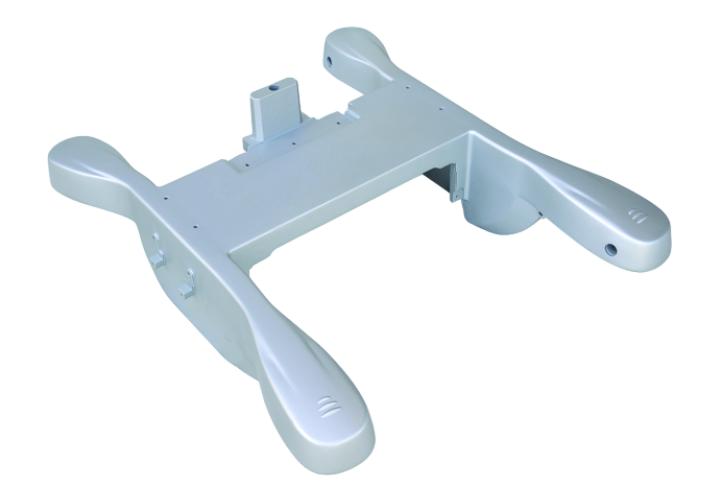
zinc alloy
30
2026-09
The Art of Crafting Durable Aluminum Casts for Industrial Applications
27
2026-09
The Essential Guide to Die Casting: Techniques, Applications, and Benefits
24
2026-09
How to Stay Ahead in Mold Forging: Insights for Manufacturers
21
2026-09
The Essential Guide to Forging Molds: Understanding Their Importance in Manufacturing
18
2026-09
Zinc Die Casting Parts: A Premier Cost-Effective Solution for Customized Manufacturing
15
2026-09
The Intricacies of Zinc Alloy Die Casting: A Comprehensive Overview
12
2026-09
The Art of Creating Intricate Designs Through Aluminum Prototype Casting
GM Diecasting Technology Co.,Limited.
Add:Building 1-5, Chongke Road, Shipai Town, Dongguan City, Guangdong Province
Email:henry@gmdiecastingtech.com
Email:lily@gmdiecastingtech.com
Tel:+8613680864695