



30
2025
-
11
The Advantages and Applications of Zinc Alloy Molds in Manufacturing
Author:
One of the primary advantages of zinc alloy molds is their excellent fluidity. When molten, zinc alloys can flow easily into intricate mold designs, capturing fine details and achieving high precision in the final products. This characteristic is especially beneficial when producing components with complex geometries or intricate features, making zinc alloy molds ideal for industries that require precision-engineered parts.
In addition to their fluidity, zinc alloys exhibit superior material strength and durability. These molds can withstand the rigors of repeated use, making them suitable for high-volume production runs. They also have a favorable thermal conductivity, which allows for efficient heat dissipation during the molding process, reducing cycle times and improving overall productivity. This Feature is vital in environments where time efficiency is critical.
Moreover, zinc alloy molds provide excellent corrosion resistance, which is essential for maintaining mold integrity over time. This property is particularly beneficial in industries where molds are exposed to harsh environments or aggressive chemicals. The longevity of zinc alloy molds translates to reduced maintenance costs and less downtime, enhancing operational efficiency.
The versatility of zinc alloy molds extends to a wide range of applications. They are commonly used in the production of automotive components, electronic housings, and consumer goods. Their ability to produce lightweight yet strong parts aligns with the growing demand for energy-efficient and high-performance products in today's market.
Another noteworthy aspect of zinc alloy molds is their cost-effectiveness compared to other materials. While they offer high performance, the initial investment and manufacturing costs are often lower, making them accessible to a broader range of businesses. This affordability does not compromise quality; instead, it allows manufacturers to achieve optimal results without exceeding budgets.
In conclusion, zinc alloy molds stand out in the manufacturing and machining industry due to their advantageous properties, including excellent fluidity, strength, corrosion resistance, and cost-effectiveness. As industries continue to evolve and demand greater precision and efficiency, zinc alloy molds will undoubtedly play a crucial role in meeting these needs. Adopting zinc alloy molds can significantly enhance production capabilities, making them an essential consideration for professionals in the tooling and mechanical hardware sectors.
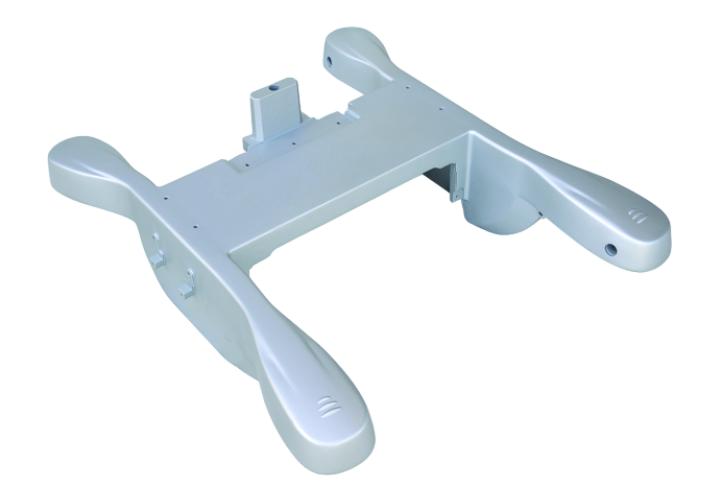
Zinc alloy mold
30
2026-09
The Art of Crafting Durable Aluminum Casts for Industrial Applications
27
2026-09
The Essential Guide to Die Casting: Techniques, Applications, and Benefits
24
2026-09
How to Stay Ahead in Mold Forging: Insights for Manufacturers
21
2026-09
The Essential Guide to Forging Molds: Understanding Their Importance in Manufacturing
18
2026-09
Zinc Die Casting Parts: A Premier Cost-Effective Solution for Customized Manufacturing
15
2026-09
The Intricacies of Zinc Alloy Die Casting: A Comprehensive Overview
12
2026-09
The Art of Creating Intricate Designs Through Aluminum Prototype Casting
GM Diecasting Technology Co.,Limited.
Add:Building 1-5, Chongke Road, Shipai Town, Dongguan City, Guangdong Province
Email:henry@gmdiecastingtech.com
Email:lily@gmdiecastingtech.com
Tel:+8613680864695