



29
2025
-
12
A New Era in Die Mold Manufacturing: Advancements in Zinc Alloy Die Casting Technologies
Author:
A New Era in Die Mold Manufacturing: Zinc Alloy Die Casting Technologies
Table of Contents
- 1. Introduction to Die Mold Manufacturing
- 2. What is Zinc Alloy Die Casting?
- 3. Advantages of Zinc Alloy in Die Casting
- 4. Applications of Zinc Alloy Die Casting in Various Industries
- 5. The Die Casting Process Explained
- 6. Technological Advancements in Zinc Alloy Die Casting
- 7. Sustainability Impacts of Zinc Alloy Die Casting
- 8. Future Trends in Die Mold Manufacturing
- 9. Frequently Asked Questions
- 10. Conclusion
1. Introduction to Die Mold Manufacturing
Die mold manufacturing is a critical component of the manufacturing sector, serving diverse industries that require high-precision components and products. As we venture into this new era, innovative techniques and materials are reshaping how die molds are produced. Among these advancements, zinc alloy die casting technologies stand out due to their superior properties and efficiency.
Manufacturers are increasingly turning to zinc alloys for their die casting needs, paving the way for enhanced production capabilities and product quality. This article delves into the intricacies of zinc alloy die casting, exploring its advantages, applications, and future prospects in the manufacturing landscape.
2. What is Zinc Alloy Die Casting?
Zinc alloy die casting is a manufacturing process that involves injecting molten zinc alloy into a mold to create intricate and precise components. This method is renowned for its ability to produce complex shapes with exceptional dimensional accuracy. The primary alloys used in this process include zinc-aluminum, zinc-copper, and zinc-magnesium, each offering unique properties tailored to specific applications.
The die casting process utilizes high pressure to force the molten metal into the mold cavity, ensuring even distribution and rapid cooling. This results in a superior surface finish and reduces the need for extensive machining, making zinc alloy die casting a cost-effective choice for manufacturers.
3. Advantages of Zinc Alloy in Die Casting
The use of zinc alloys in die casting provides numerous advantages that traditional materials may not offer.
3.1 Superior Strength and Durability
Zinc alloys exhibit remarkable strength, making them suitable for high-stress applications. Their durability ensures that components can withstand wear and tear over extended periods, reducing the need for frequent replacements.
3.2 Excellent Corrosion Resistance
One of the standout features of zinc alloys is their intrinsic resistance to corrosion. This property makes them ideal for outdoor applications and environments where exposure to moisture is a concern.
3.3 Lightweight yet Robust
Zinc alloy components are significantly lighter than their aluminum or steel counterparts, providing an excellent strength-to-weight ratio. This characteristic is particularly beneficial in the automotive and aerospace industries, where minimizing weight is crucial for efficiency.
3.4 Cost-Effectiveness
The die casting process is inherently efficient, allowing for high-volume production with lower labor costs. Additionally, the reduced need for extensive machining and finishing translates to further cost savings for manufacturers.
4. Applications of Zinc Alloy Die Casting in Various Industries
Zinc alloy die casting technologies have found their place in a multitude of industries, each benefiting from the unique properties of zinc alloys.
4.1 Automotive Industry
In the automotive sector, zinc alloy die casting is employed for manufacturing components such as gear housings, transmission parts, and decorative elements. The lightweight nature of zinc alloys enhances fuel efficiency while maintaining structural integrity.
4.2 Electronics Industry
Zinc alloys are widely used in the production of electronic enclosures and housings. Their excellent thermal conductivity and electromagnetic shielding capabilities make them ideal for protecting sensitive components.
4.3 Aerospace Industry
In aerospace applications, the strength-to-weight ratio of zinc alloys is invaluable. Components such as brackets, fittings, and housings benefit from the combination of lightweight design and robust performance.
4.4 Consumer Goods
Zinc alloys are also utilized in the manufacturing of various consumer goods, including hardware, tools, and household items, where durability and aesthetics are essential.
5. The Die Casting Process Explained
Understanding the die casting process is crucial for manufacturers looking to optimize their production methods.
5.1 Mold Design and Preparation
The first step in the die casting process involves designing the mold, which typically consists of two halves that open and close to form the desired shape. The mold must be crafted with precision to ensure a perfect fit and smooth finish.
5.2 Melting the Zinc Alloy
Next, the selected zinc alloy is melted in a furnace, reaching temperatures of approximately 400°C to 450°C. This melting point is lower than that of many other metals, which contributes to the energy efficiency of the process.
5.3 Injection into the Mold
Once the metal is molten, it is injected into the mold under high pressure. This step is critical, as the pressure ensures that the molten metal completely fills the mold cavity, reducing the risk of defects.
5.4 Cooling and Ejection
After the molten metal fills the mold, it is allowed to cool and solidify. Once cooled, the mold is opened, and the finished component is ejected, ready for further processing or assembly.
6. Technological Advancements in Zinc Alloy Die Casting
The die casting industry is witnessing rapid technological advancements that enhance production capabilities and quality.
6.1 Automated Die Casting Machines
Automation in die casting has revolutionized the industry, leading to increased efficiency and reduced human error. Automated machines can operate continuously, producing high volumes of components with consistent quality.
6.2 Advanced Mold Materials
The development of new mold materials with improved thermal conductivity and durability has significantly increased production efficiency. These materials allow for faster cooling times and longer mold life.
6.3 Computer-Aided Design (CAD) and Simulation Software
Using CAD and simulation software, manufacturers can design molds and predict potential issues before production begins. This proactive approach minimizes errors and streamlines the manufacturing process.
7. Sustainability Impacts of Zinc Alloy Die Casting
As industries shift towards more sustainable practices, zinc alloy die casting offers several environmental benefits.
7.1 Recyclability of Zinc Alloys
Zinc alloys are highly recyclable, allowing manufacturers to reduce waste and conserve resources. Recycled zinc can be reintroduced into the production process without compromising quality.
7.2 Reduced Energy Consumption
The lower melting point of zinc alloys translates to reduced energy consumption during the manufacturing process. This energy efficiency contributes to a smaller carbon footprint for producers.
8. Future Trends in Die Mold Manufacturing
The future of die mold manufacturing, particularly in zinc alloy die casting, is poised for exciting developments.
8.1 Integration of Additive Manufacturing
The integration of additive manufacturing with traditional die casting processes is on the rise. This hybrid approach allows for the rapid prototyping of complex shapes that can then be mass-produced using die casting.
8.2 Smart Manufacturing Technologies
The implementation of smart manufacturing technologies, such as IoT (Internet of Things) and AI (Artificial Intelligence), is expected to enhance decision-making processes, optimize production, and minimize downtime.
8.3 Focus on Customization
With the increasing demand for personalized products, the ability to customize die-cast components will become more prevalent. This trend will enable manufacturers to meet specific customer needs while maintaining efficiency.
9. Frequently Asked Questions
9.1 What are the main benefits of using zinc alloys in die casting?
Zinc alloys offer superior strength, lightweight properties, excellent corrosion resistance, and cost-effectiveness, making them an ideal choice for various applications.
9.2 How does the die casting process differ from other metal forming processes?
Die casting involves injecting molten metal into a mold under high pressure, while other metal forming processes may involve shaping techniques such as forging or stamping.
9.3 Can zinc alloy die casting be used for high-volume production?
Yes, zinc alloy die casting is particularly well-suited for high-volume production due to its efficiency and the consistent quality of the components produced.
9.4 What industries benefit most from zinc alloy die casting?
Industries such as automotive, electronics, aerospace, and consumer goods heavily rely on zinc alloy die casting for manufacturing high-quality components.
9.5 Are there any environmental benefits to using zinc alloys?
Yes, zinc alloys are highly recyclable and require less energy to produce compared to other metals, contributing to reduced environmental impact.
10. Conclusion
The advent of zinc alloy die casting technologies marks a significant milestone in die mold manufacturing. With its myriad advantages, including strength, durability, and cost-effectiveness, zinc alloy die casting is revolutionizing production processes across various industries. As we look to the future, advancements in technology and a focus on sustainability will continue to drive innovation in this essential manufacturing sector. Embracing these changes will enable manufacturers to meet the evolving demands of a competitive market while contributing to a more sustainable future.
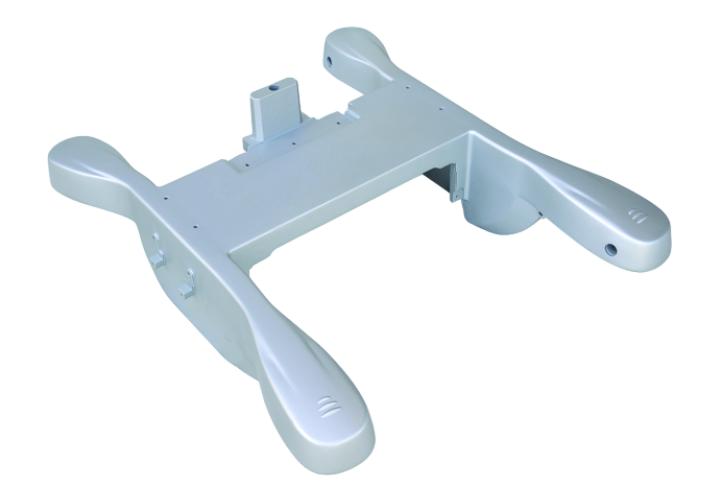
zinc alloy die casting
30
2026-09
The Art of Crafting Durable Aluminum Casts for Industrial Applications
27
2026-09
The Essential Guide to Die Casting: Techniques, Applications, and Benefits
24
2026-09
How to Stay Ahead in Mold Forging: Insights for Manufacturers
21
2026-09
The Essential Guide to Forging Molds: Understanding Their Importance in Manufacturing
18
2026-09
Zinc Die Casting Parts: A Premier Cost-Effective Solution for Customized Manufacturing
15
2026-09
The Intricacies of Zinc Alloy Die Casting: A Comprehensive Overview
12
2026-09
The Art of Creating Intricate Designs Through Aluminum Prototype Casting
GM Diecasting Technology Co.,Limited.
Add:Building 1-5, Chongke Road, Shipai Town, Dongguan City, Guangdong Province
Email:henry@gmdiecastingtech.com
Email:lily@gmdiecastingtech.com
Tel:+8613680864695