



22
2026
-
01
Enhancing Product Performance with Zinc Alloy Mold Solutions: A Comprehensive Guide
Author:
Enhancing Product Performance with Zinc Alloy Mold Solutions
Table of Contents
- 1. Introduction to Zinc Alloy Mold Solutions
- 2. Advantages of Zinc Alloys in Molding
- 3. Key Applications of Zinc Alloy Molds
- 4. The Manufacturing Process of Zinc Alloy Molds
- 5. Design Considerations for Zinc Alloy Molds
- 6. Quality Control Measures in Zinc Alloy Mold Production
- 7. Case Studies: Success Stories in Zinc Alloy Molding
- 8. Future Trends in Zinc Alloy Mold Solutions
- 9. Frequently Asked Questions
- 10. Conclusion
1. Introduction to Zinc Alloy Mold Solutions
Zinc alloys have gained significant traction in the manufacturing sector, particularly in the field of mold solutions. These materials combine the excellent properties of zinc with other metals, resulting in superior performance characteristics. Manufacturers are increasingly turning to zinc alloys for their molds due to their strength, lightweight nature, and resistance to corrosion. This article delves into how zinc alloy mold solutions can enhance product performance, streamline production processes, and ultimately lead to higher customer satisfaction.
2. Advantages of Zinc Alloys in Molding
Zinc alloys offer a multitude of benefits that make them an ideal choice for mold production.
2.1 Durability and Strength
One of the primary advantages of zinc alloys is their durability. These materials can withstand significant wear and tear, making them perfect for high-volume manufacturing. The strength of zinc alloys enables them to produce molds that stand up to the rigors of repeated use.
2.2 Corrosion Resistance
Zinc alloys have excellent resistance to corrosion, which is essential in maintaining mold integrity over time. This property ensures that molds retain their dimensional accuracy and surface finish, leading to higher-quality end products.
2.3 Cost-Effectiveness
In comparison to other metal alloys, zinc alloys are generally more affordable. The lower production costs, combined with their longevity, make them a cost-effective solution for manufacturers looking to optimize their budgets without sacrificing quality.
2.4 Lightweight Design
Zinc alloys are lighter than many other metals, which facilitates easier handling and reduces wear on machinery. This lightweight characteristic can enhance the overall efficiency of production processes, allowing for quicker cycle times.
3. Key Applications of Zinc Alloy Molds
Zinc alloy molds are versatile and can be employed across various industries.
3.1 Automotive Industry
In the automotive sector, zinc alloys are utilized for producing intricate components that require high precision and durability. From engine parts to decorative elements, the application of zinc alloy molds helps manufacturers meet stringent quality standards.
3.2 Electronics Manufacturing
The electronics industry benefits from zinc alloy molds for creating lightweight and robust housings for various devices. The thermal and electrical conductivity of zinc alloys also makes them suitable for specific electronic applications.
3.3 Consumer Goods
Zinc alloys are frequently used in the production of consumer goods, including kitchenware, hardware, and toys. Their aesthetic appeal, combined with their functional benefits, makes them a popular choice among manufacturers.
4. The Manufacturing Process of Zinc Alloy Molds
Understanding the manufacturing process of zinc alloy molds is crucial for achieving high-quality outcomes.
4.1 Die Casting
The most common method for producing zinc alloy molds is die casting. During this process, molten zinc alloy is injected into a mold cavity under high pressure. The rapid cooling solidifies the alloy, resulting in a precise and intricate mold design.
4.2 Machining and Finishing
Post-casting, molds may undergo machining to enhance their surface finish and dimensional accuracy. Techniques such as CNC machining and polishing are used to achieve the desired specifications.
4.3 Quality Testing
Quality control is integral to the manufacturing process. Each mold is subjected to rigorous testing to ensure they meet industry standards and perform optimally in real-world applications.
5. Design Considerations for Zinc Alloy Molds
When designing molds using zinc alloys, several factors must be taken into account.
5.1 Design Complexity
The complexity of the mold design can influence production efficiency and cost. Designers should aim for simplicity without compromising the functionality of the final product.
5.2 Cooling and Heating Management
Effective temperature management during the molding process can significantly impact the quality of the final product. Proper cooling channels should be designed to ensure uniform cooling and avoid defects.
5.3 Surface Finish Requirements
Different applications may require specific surface finishes. Designers must consider the end-use of the product and incorporate the necessary finishing techniques to achieve the required texture and appearance.
6. Quality Control Measures in Zinc Alloy Mold Production
To ensure that zinc alloy molds meet the highest standards, implementing comprehensive quality control measures is essential.
6.1 Material Inspection
Before production begins, the raw materials should be inspected for quality and consistency. This step helps prevent defects in the final product.
6.2 Process Monitoring
Continuous monitoring throughout the manufacturing process allows for real-time adjustments and helps maintain the desired quality levels.
6.3 Final Inspection
Once production is complete, each mold undergoes a final inspection to verify its dimensions, surface finish, and overall performance. This step ensures that molds can perform reliably in their intended applications.
7. Case Studies: Success Stories in Zinc Alloy Molding
Real-world examples can provide valuable insights into the effectiveness of zinc alloy molds.
7.1 Automotive Component Manufacturer
An automotive manufacturer implemented zinc alloy molds to produce critical engine components. The transition to zinc alloys resulted in a 30% reduction in production costs and improved product durability.
7.2 Electronics Housing Production
A leading electronics company adopted zinc alloy molds for their device housings. This change not only enhanced the aesthetic appeal of their products but also significantly reduced the weight, improving user experience.
8. Future Trends in Zinc Alloy Mold Solutions
The landscape of zinc alloy mold solutions is evolving, with several trends shaping the future.
8.1 Sustainable Manufacturing Practices
As sustainability becomes a priority, manufacturers are exploring eco-friendly practices in zinc alloy production. Recycling and reducing waste are becoming integral to the manufacturing process.
8.2 Advancements in Alloy Composition
Research and development are leading to new zinc alloy compositions that enhance performance characteristics. These advancements may address specific industry needs, improving the functionality of zinc alloy molds.
8.3 Increased Automation
Automation in the production process is on the rise, enabling manufacturers to achieve greater precision and efficiency. This trend is expected to continue, driving innovation in zinc alloy mold production.
9. Frequently Asked Questions
9.1 What are zinc alloys?
Zinc alloys are mixtures of zinc with other metals, designed to enhance specific properties such as strength, corrosion resistance, and formability.
9.2 Why choose zinc alloys for mold production?
Zinc alloys offer several advantages, including durability, lightweight, cost-effectiveness, and excellent corrosion resistance, making them ideal for various applications.
9.3 What industries commonly use zinc alloy molds?
Zinc alloy molds are widely used in the automotive, electronics, and consumer goods industries.
9.4 How are zinc alloy molds manufactured?
Zinc alloy molds are typically manufactured using die casting, followed by machining and finishing processes to achieve the desired specifications.
9.5 What are the future prospects for zinc alloy mold solutions?
The future of zinc alloy molds includes trends toward sustainability, advancements in alloy compositions, and increased automation in production.
10. Conclusion
In conclusion, **zinc alloy mold solutions** represent a significant advancement in manufacturing, offering numerous benefits that enhance product performance. By understanding the advantages, applications, and manufacturing processes associated with zinc alloy molds, manufacturers can make informed decisions that lead to improved efficiency, cost savings, and higher quality products. As the industry continues to evolve, embracing **zinc alloy technologies** will be crucial for staying competitive and meeting the demands of modern consumers.
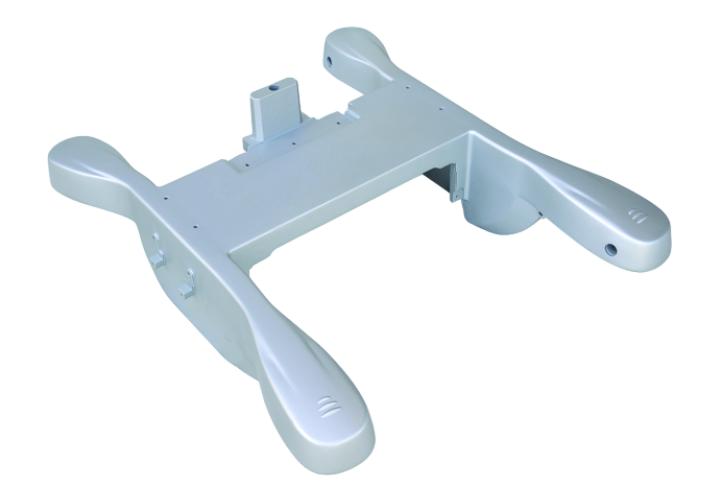
Zinc alloy mold
30
2026-09
The Art of Crafting Durable Aluminum Casts for Industrial Applications
27
2026-09
The Essential Guide to Die Casting: Techniques, Applications, and Benefits
24
2026-09
How to Stay Ahead in Mold Forging: Insights for Manufacturers
21
2026-09
The Essential Guide to Forging Molds: Understanding Their Importance in Manufacturing
18
2026-09
Zinc Die Casting Parts: A Premier Cost-Effective Solution for Customized Manufacturing
15
2026-09
The Intricacies of Zinc Alloy Die Casting: A Comprehensive Overview
12
2026-09
The Art of Creating Intricate Designs Through Aluminum Prototype Casting
GM Diecasting Technology Co.,Limited.
Add:Building 1-5, Chongke Road, Shipai Town, Dongguan City, Guangdong Province
Email:henry@gmdiecastingtech.com
Email:lily@gmdiecastingtech.com
Tel:+8613680864695