



25
2026
-
01
The Advantages and Considerations of Using Aluminum Alloy Molds in Manufacturing
Author:
One of the primary benefits of aluminum alloy molds is their lightweight nature. Compared to traditional steel molds, aluminum molds are significantly lighter, which can enhance the ease of handling and reduce wear on machinery during operation. This can lead to lower operational costs and improved efficiency in the manufacturing process.
Additionally, aluminum alloys have superior thermal conductivity. This property allows for better temperature control during the molding process, which is crucial for achieving high-quality outputs. Effective heat dissipation minimizes defects such as warping and ensures consistent product quality. Moreover, the rapid cooling capabilities of aluminum molds can lead to faster cycle times, enabling manufacturers to increase production rates and enhance overall productivity.
Another advantage is the ease of machining aluminum alloys. They can be easily machined, allowing for intricate designs and precise dimensions. This flexibility in design makes aluminum molds suitable for a wide range of applications, from complex geometries to large-scale production runs.
However, while aluminum alloy molds present numerous advantages, there are important considerations to bear in mind. One such consideration is their durability. Although aluminum molds are suitable for low to medium-volume production, they may not withstand the same level of wear and tear as steel molds in high-volume settings. For high-volume production runs, it is essential to evaluate the expected lifespan of the mold and consider the material's limitations.
Corrosion resistance is another factor to consider. While many aluminum alloys exhibit good corrosion resistance, it is still crucial to apply appropriate surface treatments or coatings to extend the mold's lifespan, especially in environments where exposure to moisture or chemicals is a concern.
Lastly, cost-effectiveness plays a significant role in the decision-making process. Although aluminum molds may have a lower initial investment compared to steel molds, it is essential to assess the overall cost of ownership, including maintenance and potential replacements.
In conclusion, aluminum alloy molds provide a variety of benefits, including lightweight properties, excellent thermal conductivity, and ease of machining, making them an attractive choice in manufacturing. However, it is essential to consider their limitations regarding durability and corrosion resistance. By weighing these factors, manufacturers can make informed decisions to optimize their production processes and achieve superior results.
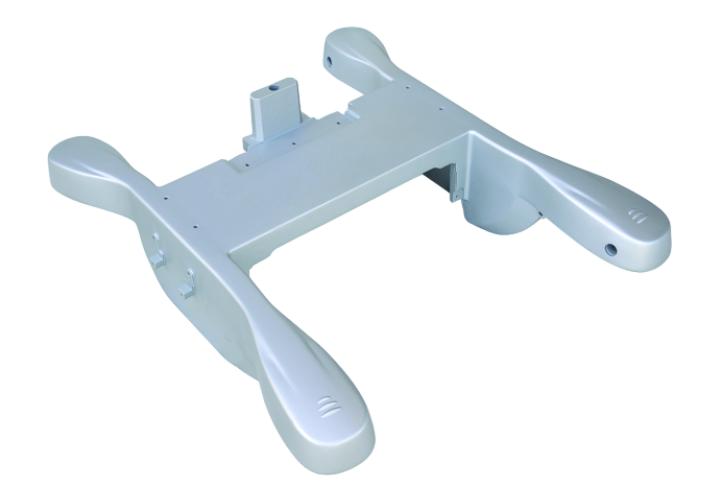
Aluminum alloy mold
30
2026-09
The Art of Crafting Durable Aluminum Casts for Industrial Applications
27
2026-09
The Essential Guide to Die Casting: Techniques, Applications, and Benefits
24
2026-09
How to Stay Ahead in Mold Forging: Insights for Manufacturers
21
2026-09
The Essential Guide to Forging Molds: Understanding Their Importance in Manufacturing
18
2026-09
Zinc Die Casting Parts: A Premier Cost-Effective Solution for Customized Manufacturing
15
2026-09
The Intricacies of Zinc Alloy Die Casting: A Comprehensive Overview
12
2026-09
The Art of Creating Intricate Designs Through Aluminum Prototype Casting
GM Diecasting Technology Co.,Limited.
Add:Building 1-5, Chongke Road, Shipai Town, Dongguan City, Guangdong Province
Email:henry@gmdiecastingtech.com
Email:lily@gmdiecastingtech.com
Tel:+8613680864695