



22
2026
-
02
The Role of Zinc Die Casting in Efficient Manufacturing Processes
Author:
The Role of Zinc Die Casting in Efficient Manufacturing Processes
Table of Contents
- Introduction to Zinc Die Casting
- What is Zinc Die Casting?
- Advantages of Zinc Die Casting in Manufacturing
- Applications of Zinc Die Casting Across Industries
- The Zinc Die Casting Process Explained
- Considerations for Successful Zinc Die Casting
- Future Trends in Zinc Die Casting
- Conclusion
- Frequently Asked Questions
Introduction to Zinc Die Casting
Zinc die casting is a manufacturing process that enables the production of complex and precise metal parts quickly and efficiently. As industries demand higher quality components at lower costs, the role of zinc die casting has become pivotal. It not only streamlines production processes but also enhances product durability and performance. This article delves into the intricacies of zinc die casting, its benefits, applications, and future trends, illustrating how it revolutionizes manufacturing.
What is Zinc Die Casting?
Zinc die casting is a process that involves injecting molten zinc alloy into a mold to create intricate metal parts. The molds, usually made of high-quality steel, allow for rapid cooling and solidification, producing parts with excellent dimensional accuracy and surface finish. Zinc die casting is favored for its ability to produce lightweight but strong components, making it ideal for various applications across multiple industries.
How Zinc Die Casting Works
The zinc die casting process typically involves several key steps:
1. **Mold Creation**: High-quality steel molds are designed and manufactured to the specifications required for the component.
2. **Melting Zinc**: Zinc alloys, typically composed of zinc, aluminum, copper, and magnesium, are melted in a furnace.
3. **Injection**: The molten zinc is injected into the mold under high pressure, ensuring that every detail of the mold is filled.
4. **Cooling and Ejection**: After a short cooling period, the finished part is ejected from the mold.
5. **Post-Processing**: Parts often undergo additional processes like trimming, polishing, or surface treatments to enhance performance.
Advantages of Zinc Die Casting in Manufacturing
Zinc die casting offers numerous benefits that make it a preferred choice in the manufacturing sector:
1. Cost-Effectiveness
Zinc die casting significantly reduces production costs due to its high-speed manufacturing capabilities. The quick cycle times allow for large volumes of parts to be produced with minimal labor and overhead costs.
2. High Precision and Quality
The die casting process ensures high dimensional accuracy and a superior surface finish. This precision minimizes the need for secondary machining operations, thus saving time and resources.
3. Strength and Durability
Zinc components exhibit excellent mechanical properties, including good strength and resistance to corrosion. This durability makes zinc die casting ideal for parts used in harsh environments.
4. Versatility
Zinc die casting can produce a wide range of parts, from small intricate components to larger pieces. Its versatility allows it to cater to diverse industries, including automotive, electronics, and consumer goods.
5. Recyclability
Zinc is highly recyclable without losing its properties. This sustainability aspect not only reduces waste but also lowers production costs associated with raw materials.
Applications of Zinc Die Casting Across Industries
Zinc die casting finds applications in numerous sectors, showcasing its flexibility and efficiency.
1. Automotive Industry
In the automotive sector, zinc die casting is used to manufacture components like gears, brackets, and housings. The lightweight nature of zinc parts contributes to overall fuel efficiency.
2. Electronics
Zinc die casting plays a crucial role in the electronics industry, where it is used to create enclosures, connectors, and heat sinks that require high precision and thermal conductivity.
3. Consumer Goods
From household appliances to sporting goods, zinc die casting produces durable and aesthetically pleasing components that meet consumer demands for quality and design.
4. Aerospace Industry
The aerospace industry utilizes zinc die casting for manufacturing lightweight yet robust parts that can withstand extreme conditions while ensuring safety and reliability.
The Zinc Die Casting Process Explained
Understanding the zinc die casting process is vital for manufacturers looking to optimize their production.
1. Design Considerations
Effective design is crucial for the success of the zinc die casting process. Designers must consider factors such as wall thickness, draft angles, and undercuts to ensure smooth production.
2. Mold Design and Fabrication
The creation of high-quality molds is essential. Molds must be designed for durability and precision, often requiring advanced technologies and materials.
3. Quality Control
Implementing robust quality control measures throughout the die casting process is vital. This includes monitoring molten metal temperatures, injection pressure, and cooling times to ensure consistent product quality.
4. Surface Treatments
Post-production surface treatments, including plating, painting, or polishing, can enhance the appearance and corrosion resistance of zinc die cast parts.
Considerations for Successful Zinc Die Casting
While zinc die casting offers numerous advantages, there are important considerations manufacturers should keep in mind:
1. Material Selection
Choosing the right zinc alloy is critical, as different alloys offer varying mechanical properties and corrosion resistance. Factors such as end-use application and environmental conditions should guide material selection.
2. Process Optimization
Continuous improvement of the die casting process can lead to enhanced productivity and reduced costs. This may involve investing in advanced machinery and automation technologies.
3. Environmental Impact
While zinc die casting is generally more sustainable than other manufacturing processes, manufacturers should remain aware of their environmental footprint and explore ways to minimize waste and energy consumption.
Future Trends in Zinc Die Casting
As manufacturing technology evolves, several trends are emerging in zinc die casting that industry professionals should monitor:
1. Automation and Industry 4.0
The integration of automation and smart technologies into the die casting process is expected to increase efficiency and reduce labor costs, paving the way for more competitive manufacturing.
2. Sustainable Practices
With increasing emphasis on sustainability, the zinc die casting industry is likely to adopt more eco-friendly practices, including energy-efficient processes and greater recycling efforts.
3. Advanced Materials
Research into new zinc alloys and composite materials may open up new applications, enhancing the performance characteristics of die cast components.
Conclusion
Zinc die casting plays a vital role in modern manufacturing processes, offering a blend of efficiency, quality, and sustainability. Its advantages, including cost-effectiveness, precision, and versatility, make it an indispensable method for producing high-quality components across various industries. As technology advances, zinc die casting is poised to evolve further, embracing automation, sustainability, and innovative materials, ensuring its place in the future of manufacturing.
Frequently Asked Questions
1. What are the primary benefits of zinc die casting?
The primary benefits include cost-effectiveness, high precision, strength and durability, versatility, and recyclability.
2. In which industries is zinc die casting commonly used?
Zinc die casting is commonly used in the automotive, electronics, consumer goods, and aerospace industries.
3. What types of products can be made using zinc die casting?
Zinc die casting can produce a variety of products including gears, housings, brackets, enclosures, and decorative components.
4. How does the zinc die casting process work?
The process involves creating molds, melting zinc alloys, injecting molten metal into molds, cooling, ejection, and post-processing.
5. What considerations should be taken into account for successful zinc die casting?
Considerations include material selection, mold design, process optimization, and environmental impact.
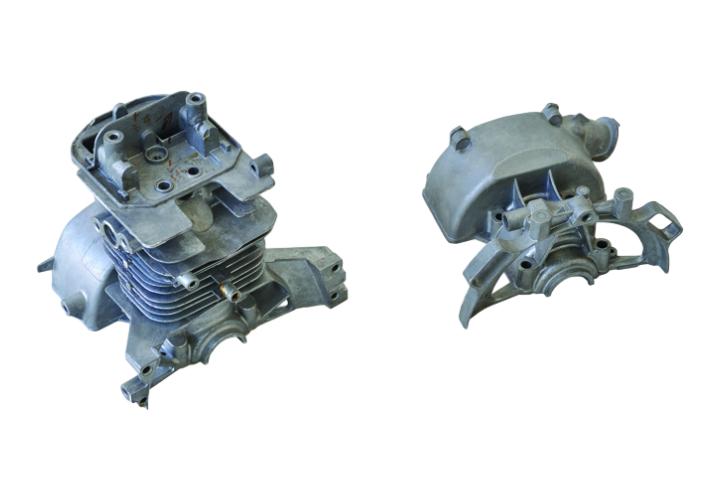
zinc die casting parts
18
2026-11
Understanding Prototype Aluminum Casting: A Key to Efficient Manufacturing
15
2026-11
Unleashing the Potential of Die Casting Mold in Modern Production
12
2026-11
Understanding Custom Aluminum Casting: A Key Process in Metal Manufacturing
09
2026-11
Optimizing Performance: The Essential Guide to Zinc Casting for Die Casting Tools
21
2026-10
Understanding Zinc Die Casting: A Comprehensive Guide for Manufacturing Professionals
18
2026-10
Empowering Manufacturers: The Benefits of Die Casting Machines
15
2026-10
Understanding Aluminum Die Casting: A Key Process in Metal Manufacturing
GM Diecasting Technology Co.,Limited.
Add:Building 1-5, Chongke Road, Shipai Town, Dongguan City, Guangdong Province
Email:henry@gmdiecastingtech.com
Email:lily@gmdiecastingtech.com
Tel:+8613680864695