
25

2026

-

02

Understanding Forging Molds: Essential Aspects for Manufacturing Processes

Author:


Forging molds are crucial components in the manufacturing processes of various industries, particularly in the fields of die-casting and forging. In essence, a forging mold is a specially designed tool used to shape and form materials, typically metals, through the application of pressure and heat. The effectiveness of these molds significantly impacts the quality and precision of the final product, making it vital for manufacturers to understand their design and functionality.
The design of a forging mold must consider several critical factors. First and foremost is the material selection, as the molds are subjected to extreme temperatures and mechanical stresses. Common materials used in forging molds include tool steels and high-performance alloys, known for their durability and resistance to deformation. Additionally, the mold’s geometry plays a pivotal role in achieving the desired shape and dimensional accuracy of the forged components. A well-designed mold will not only facilitate the forging process but also minimize the occurrence of defects in the final products.
Moreover, the manufacturing process of forging molds itself is intricate and requires precision. Techniques such as computer-aided design (CAD) and computer numerical control (CNC) machining are often employed to create molds with high accuracy. These technologies allow for the meticulous crafting of molds, ensuring that they meet the specific requirements of the forging process. Furthermore, the cooling and heating systems integrated into the molds must be designed to optimize thermal management, which is essential for maintaining consistent material properties during forging.
In terms of applications, forging molds are used extensively in various sectors, including automotive, aerospace, and consumer goods. The ability to produce components with complex geometries and enhanced mechanical properties makes forging an attractive option for manufacturers. The resulting products often exhibit improved strength and durability compared to those produced through other shaping methods.
In conclusion, understanding the intricacies of forging molds is indispensable for professionals in the manufacturing and machining industries. A comprehensive grasp of their design, material selection, and fabrication processes can lead to significant improvements in production efficiency and product quality. By investing in high-quality forging molds and optimizing their utilization, manufacturers can enhance their competitive edge and deliver superior products to the market.

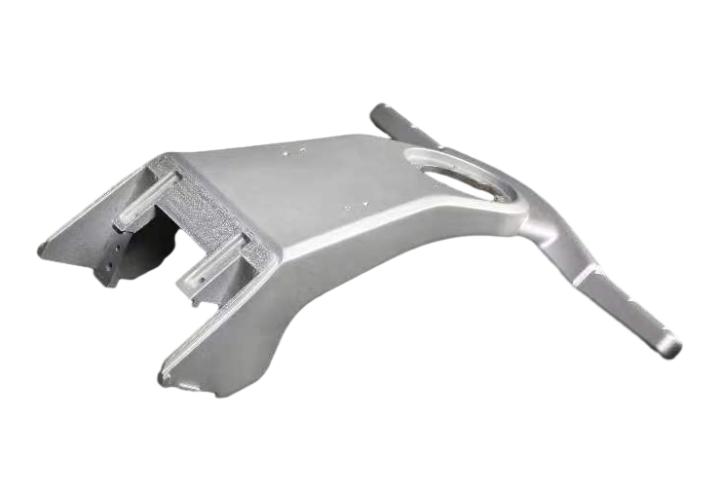
forging mold
24

2026-11

Exploring the Advantages of Zinc Die Casting Parts in Machining

Zinc die casting parts have gained popularity in the manufacturing and machining sectors due to their unique properties and numerous advantages. This process involves forcing molten zinc into a mold under high pressure, resulting in precise and intricate components. The use of zinc in die casting offers several benefits that make it a preferred choice for many applications in machinery and hardwar

21

2026-11

Unveiling the Secrets of Zinc Alloy Die Casting in Enhancing Die Mold Durability

Unveiling the Secrets of Zinc Alloy Die Casting in Enhancing Die Mold Durability Table of Contents 1. Introduction to Zinc Alloy Die Casting 2. Understanding Zinc Alloy Properties 3. Benefits of Zinc Alloy Die Casting 4. The Importance of Die Mold Durability 5. Enhancing Die Mold Durability with Zinc Alloys 6. Advanced Die Casting Techniques 7. Real-World Applications

18

2026-11

Understanding Prototype Aluminum Casting: A Key to Efficient Manufacturing

Prototype aluminum casting is a vital component in the development of various mechanical parts and components used in many industries. This process allows engineers and designers to create initial models or prototypes of their designs, enabling them to test functionality, refine specifications, and optimize designs before full-scale production begins. The advantages of using aluminum for prototypi

15

2026-11

Unleashing the Potential of Die Casting Mold in Modern Production

Unleashing the Potential of Die Casting Mold in Modern Production Table of Contents Introduction to Die Casting Molds What is Die Casting? Benefits of Die Casting Molds in Manufacturing Applications of Die Casting Molds in Various Industries Die Casting in the Automotive Industry Die Casting in the Aerospace Industry Die Casting in the

12

2026-11

Understanding Custom Aluminum Casting: A Key Process in Metal Manufacturing

Custom aluminum casting is a manufacturing technique that involves pouring molten aluminum into a mold to create parts with specific shapes and dimensions. This method is particularly advantageous for producing complex geometries that would be challenging to achieve through traditional machining methods. In the context of mechanical processing and hardware manufacturing, custom aluminum casting en

09

2026-11

Optimizing Performance: The Essential Guide to Zinc Casting for Die Casting Tools

Optimizing Performance: The Essential Guide to Zinc Casting for Die Casting Tools Table of Contents 1. Introduction to Zinc Casting in Die Casting Tools 2. Benefits of Zinc Casting for Die Casting Tools 3. The Zinc Casting Process Explained 4. Common Applications of Zinc Casting in Die Casting 5. Challenges in Zinc Casting and How to Overcome Them 6. Tips for Optimizin

21

2026-10

Understanding Zinc Die Casting: A Comprehensive Guide for Manufacturing Professionals

Zinc die casting is a metal casting process that involves forcing molten zinc alloy into a mold cavity under high pressure. This technique is particularly valued in manufacturing due to its ability to create intricate and precise geometries, making it ideal for various applications across multiple industries. One of the primary advantages of zinc die casting is its ability to produce parts with ex

18

2026-10

Empowering Manufacturers: The Benefits of Die Casting Machines

Empowering Manufacturers: The Benefits of Die Casting Machines Manufacturing has come a long way, and in this journey, die casting machines have emerged as a cornerstone for efficiency, precision, and adaptability. The die casting process is widely used in various industries, providing solutions that significantly enhance production capabilities. This extensive article delves into the myriad benef