



26
2026
-
05
Understanding Die Casting Molds: Essential Insights for Professionals in the Manufacturing Industry
Author:
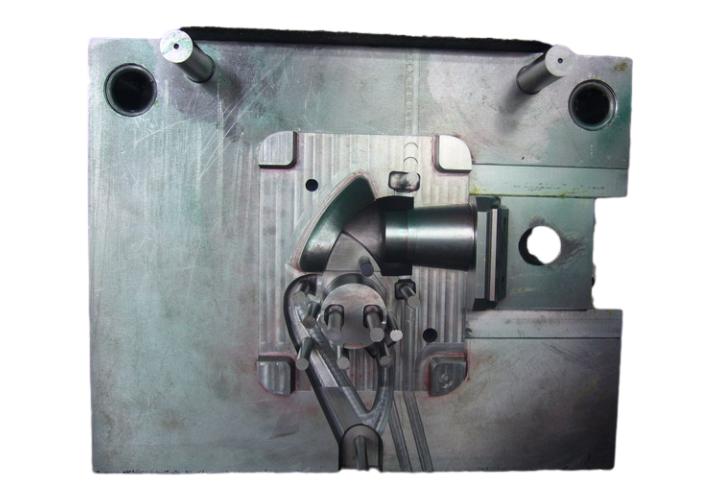
The design of a die casting mold is paramount to the success of the casting process. Mold design considerations include the geometry of the part, the material being cast, and the method of cooling. A well-designed mold not only facilitates the easy flow of molten metal but also minimizes defects such as air pockets or incomplete filling. Key features in mold design include draft angles, which help in the easy release of the cast parts from the mold, and core inserts that enable the creation of complex internal geometries.
Materials used in die casting molds are critical to their performance. Common materials include tool steels, aluminum, and certain alloys, each offering specific advantages. Tool steels are favored for their hardness and wear resistance, while aluminum molds can be advantageous for lower volume production due to their lightweight and excellent thermal conductivity. The choice of material often depends on factors such as the intended use of the part, the volume of production, and the required durability of the mold.
The cooling system of a die casting mold is another significant aspect that directly affects cycle times and the overall quality of the castings. Effective cooling ensures that the molten metal solidifies uniformly, reducing the risk of warping and improving dimensional accuracy. Professionals must carefully design the cooling channels within the mold to achieve optimal heat transfer and control the temperature during the casting process.
In terms of applications, die casting molds are widely used across various industries, including automotive, aerospace, and electronics. The ability to produce intricate designs with tight tolerances makes them suitable for manufacturing components such as engine blocks, housings, and structural parts. The versatility of die casting molds allows for both high-volume production runs and the creation of specialized components tailored to specific requirements.
In conclusion, a thorough understanding of die casting molds is essential for professionals in the manufacturing industry. By focusing on meticulous design, selecting appropriate materials, and optimizing cooling systems, manufacturers can significantly enhance the quality and efficiency of their casting processes. Embracing these principles will not only lead to improved product outcomes but also contribute to the overall success of manufacturing operations.
die casting mold
19
2026-08
16
2026-08
Understanding Zinc Alloys: Properties, Applications, and Benefits
13
2026-08
Revolutionizing Manufacturing: The Role of Aluminum Alloy in Modern Industry
10
2026-08
Exploring the Benefits and Techniques of Aluminum Casting in Manufacturing
07
2026-08
The Future of Manufacturing: Advancements in Die Casting Technology
04
2026-08
Understanding Mold Forging: Key Insights for Manufacturing Professionals
01
2026-08
Exploring Different Types of Forging Molds: A Comprehensive Guide
GM Diecasting Technology Co.,Limited.
Add:Building 1-5, Chongke Road, Shipai Town, Dongguan City, Guangdong Province
Email:henry@gmdiecastingtech.com
Email:lily@gmdiecastingtech.com
Tel:+8613680864695