



29
2026
-
05
Revolutionizing Mold Manufacturing with Advanced Aluminum Casting Techniques
Author:
Revolutionizing Mold Manufacturing with Advanced Aluminum Casting Techniques
Table of Contents
- 1. Introduction to Aluminum Casting in Mold Manufacturing
- 2. Key Benefits of Advanced Aluminum Casting Techniques
- 3. Overview of the Aluminum Casting Process
- 3.1 Die Casting: Precision and Efficiency
- 3.2 Sand Casting: Versatility and Cost-effectiveness
- 3.3 Investment Casting: Intricate Designs with High Precision
- 4. Materials Used in Aluminum Casting for Molds
- 5. Applications of Advanced Aluminum Casting in Mold Manufacturing
- 6. Future Trends in Aluminum Casting Techniques
- 7. Challenges and Solutions in Aluminum Casting
- 8. Frequently Asked Questions About Aluminum Casting
- 9. Conclusion: The Future of Mold Manufacturing
1. Introduction to Aluminum Casting in Mold Manufacturing
The field of mold manufacturing is undergoing a significant transformation propelled by **advanced aluminum casting techniques**. Traditionally, the process of creating molds involved manual labor and time-consuming methods that often resulted in inefficiencies and high costs. However, with the advent of innovative casting techniques, manufacturers are now able to produce high-quality molds with greater speed and precision. This article explores these advancements and their implications for the mold manufacturing industry.
2. Key Benefits of Advanced Aluminum Casting Techniques
Implementing advanced aluminum casting techniques in mold manufacturing offers numerous advantages:
2.1 Increased Efficiency
Advanced techniques, such as die casting, enable manufacturers to produce molds at an unprecedented rate, reducing lead times and streamlining production processes.
2.2 Superior Quality
Modern casting methods provide excellent surface finishes and dimensional accuracy, resulting in molds that meet rigorous industry standards.
2.3 Cost-Effectiveness
By optimizing the use of materials and reducing waste, advanced aluminum casting minimizes costs, making it a more financially viable option for manufacturers.
2.4 Lightweight and Durable Molds
Aluminum's inherent properties create molds that are not only lightweight but also strong and durable, enhancing their usability in various applications.
3. Overview of the Aluminum Casting Process
Understanding the aluminum casting process is essential to appreciate its role in mold manufacturing. This section outlines the prominent methods utilized in modern aluminum casting.
3.1 Die Casting: Precision and Efficiency
Die casting involves forcing molten aluminum into a reusable metal mold, ensuring high precision and repeatability. This method is particularly beneficial for producing complex geometries and large quantities of identical parts.
3.2 Sand Casting: Versatility and Cost-effectiveness
Sand casting is one of the oldest casting techniques that utilize sand as the mold material. It is suitable for creating large and intricate designs, making it a versatile option for various mold applications.
3.3 Investment Casting: Intricate Designs with High Precision
Investment casting, also known as lost-wax casting, allows for the production of intricate and detailed mold shapes. The process involves creating a wax pattern, which is then coated in a ceramic shell that is heated to remove the wax, leaving behind a precise mold for aluminum pouring.
4. Materials Used in Aluminum Casting for Molds
The choice of materials plays a crucial role in the quality of the final product. In the context of aluminum casting for molds, the following materials are commonly used:
4.1 Aluminum Alloys
Different aluminum alloys, such as A356 and A380, offer unique properties that enhance the casting process and the performance of the molds produced. Each alloy has specific characteristics suited for various applications.
4.2 Mold Materials
The materials used to create molds, including various types of sand, metal, and ceramic, significantly influence the casting results. Selecting the right mold material can improve mold life and casting accuracy.
5. Applications of Advanced Aluminum Casting in Mold Manufacturing
Advanced aluminum casting techniques have a wide range of applications across various industries. These include:
5.1 Automotive Industry
Aluminum molds are extensively used in the automotive sector for producing lightweight components that improve fuel efficiency and performance.
5.2 Aerospace Industry
The aerospace industry benefits from aluminum casting through the production of complex and lightweight parts that adhere to strict safety and performance standards.
5.3 Consumer Products
From kitchenware to electronics, aluminum molds play a significant role in manufacturing consumer goods that require durability and aesthetics.
6. Future Trends in Aluminum Casting Techniques
As technology continues to evolve, several trends are shaping the future of aluminum casting in mold manufacturing:
6.1 Automation and Robotics
Automation technologies are being integrated into the casting process, enhancing efficiency and reducing human error.
6.2 Sustainable Practices
The push for sustainability is leading to the development of eco-friendly casting methods, including the use of recycled aluminum and energy-efficient processes.
6.3 3D Printing in Mold Manufacturing
The rise of 3D printing is revolutionizing mold manufacturing by allowing for rapid prototyping and the creation of complex geometries that traditional methods cannot achieve.
7. Challenges and Solutions in Aluminum Casting
While advanced aluminum casting techniques offer numerous advantages, they are not without challenges.
7.1 Addressing Defects
Common casting defects, such as porosity and shrinkage, can impact mold quality. Employing advanced simulation software and rigorous quality control measures can minimize these issues.
7.2 Skill Gap in the Workforce
The transition to advanced techniques requires a skilled workforce familiar with modern technology. Investing in training and development programs is essential to bridge this gap.
8. Frequently Asked Questions About Aluminum Casting
8.1 What are the most common aluminum alloys used in casting?
The most common aluminum alloys used in casting are A356, A380, and A413, each offering distinct advantages for various applications.
8.2 How does die casting differ from sand casting?
Die casting utilizes reusable metal molds for high precision and mass production, while sand casting employs sand molds, allowing for greater versatility in design but less precision.
8.3 Is aluminum casting environmentally friendly?
Yes, aluminum casting can be environmentally friendly, especially when using recycled materials and energy-efficient processes.
8.4 What industries benefit most from aluminum casting?
Industries such as automotive, aerospace, and consumer products significantly benefit from aluminum casting due to its durability and lightweight properties.
8.5 How can defects in aluminum casting be minimized?
Defects can be minimized through quality control measures, advanced simulation technologies, and thorough training for operators in the casting process.
9. Conclusion: The Future of Mold Manufacturing
The shift toward **advanced aluminum casting techniques** marks a pivotal moment in the evolution of mold manufacturing. By embracing these innovations, manufacturers can achieve greater efficiency, quality, and sustainability in their processes. As we look to the future, continued advancements in technology and materials will further enhance the capabilities of aluminum casting, solidifying its position as a cornerstone of modern manufacturing. The industry stands on the brink of a revolution, driven by the desire for precision and excellence in mold production.
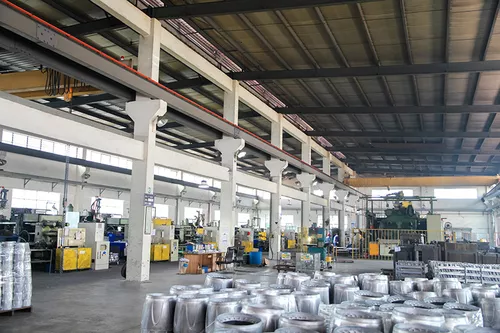
prototype aluminum casting
06
2026-10
Innovative Uses of Zinc Alloy in Sustainable Energy Solutions
03
2026-10
The Versatility and Advantages of Aluminum Alloys in Modern Applications
30
2026-09
The Art of Crafting Durable Aluminum Casts for Industrial Applications
27
2026-09
The Essential Guide to Die Casting: Techniques, Applications, and Benefits
24
2026-09
How to Stay Ahead in Mold Forging: Insights for Manufacturers
21
2026-09
The Essential Guide to Forging Molds: Understanding Their Importance in Manufacturing
18
2026-09
Zinc Die Casting Parts: A Premier Cost-Effective Solution for Customized Manufacturing
GM Diecasting Technology Co.,Limited.
Add:Building 1-5, Chongke Road, Shipai Town, Dongguan City, Guangdong Province
Email:henry@gmdiecastingtech.com
Email:lily@gmdiecastingtech.com
Tel:+8613680864695