



08
2026
-
07
Advancing Industry Standards with Cutting-Edge Die Casting Solutions
Author:
Advancing Industry Standards with Cutting-Edge Die Casting Solutions
Table of Contents
- 1. Introduction to Die Casting
- 2. What is Die Casting?
- 3. Advantages of Die Casting Solutions
- 4. Applications of Die Casting in Various Industries
- 5. Innovations in Die Casting Technology
- 6. Sustainability in Die Casting Practices
- 7. Challenges and Solutions in Die Casting
- 8. The Future of Die Casting Solutions
- 9. FAQs about Die Casting Solutions
- 10. Conclusion
1. Introduction to Die Casting
Die casting is a manufacturing process that has revolutionized the production of metal parts. By utilizing high pressure to force molten metal into reusable molds, die casting allows for the creation of complex shapes with high dimensional accuracy and smooth surfaces. The process is not only efficient but also contributes to significant reductions in production costs and time, making it an invaluable asset in modern manufacturing.
2. What is Die Casting?
Die casting is characterized by its use of metal alloys, primarily aluminum, zinc, and magnesium, which are known for their excellent mechanical properties. The process involves several key steps:
2.1 The Die Casting Process
In the die casting process, molten metal is injected into a metal die under high pressure. The die, typically made from steel or iron, is designed to withstand the stress of the injection process and the high temperatures of the molten metal. Once the metal cools and solidifies, the die opens to release the finished part. This method allows for intricate designs and high-volume production.
2.2 Types of Die Casting
There are two primary types of die casting: hot chamber and cold chamber. Hot chamber die casting is commonly used for low-melting-point alloys, while cold chamber die casting is ideal for higher melting-point metals. Each method has distinct advantages and is suited for specific applications.
3. Advantages of Die Casting Solutions
Die casting offers a multitude of advantages that enhance manufacturing processes. These benefits include:
3.1 High Production Efficiency
Die casting allows for rapid production rates, making it possible to manufacture thousands of parts in a short time frame. This efficiency is crucial in industries that demand high-volume production.
3.2 Superior Dimensional Accuracy
The process is known for its ability to produce parts with tight tolerances and complex geometries, reducing the need for extensive machining and finishing processes.
3.3 Improved Mechanical Properties
Parts produced through die casting exhibit excellent mechanical properties, including strength, durability, and resistance to corrosion, making them suitable for various demanding applications.
3.4 Cost-Effectiveness
Although the initial setup cost for die casting may be higher than other manufacturing methods, the long-term savings from reduced scrap rates and lower labor costs make it a cost-effective solution.
4. Applications of Die Casting in Various Industries
The versatility of die casting allows it to be employed across a diverse range of industries:
4.1 Automotive Industry
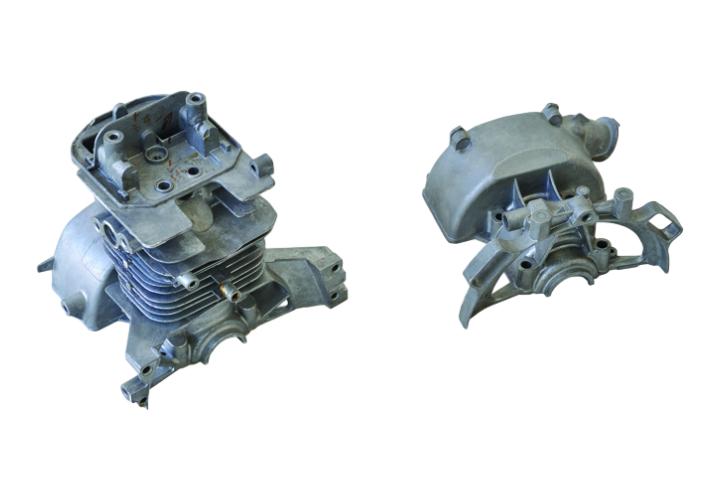
In the automotive sector, die casting is used to produce components such as engine blocks, transmission housings, and other structural parts. The lightweight yet strong properties of die cast parts contribute to improved fuel efficiency and reduced emissions.
4.2 Aerospace Sector
Die casting plays a critical role in the aerospace industry, where precision and weight reduction are paramount. Components like brackets, housings, and structural parts are manufactured using die casting, ensuring safety and reliability.
4.3 Electronics Industry
The electronics industry relies on die casting for creating housings, heat sinks, and other components. The ability to produce intricate designs helps in heat dissipation and enhances product performance.
4.4 Consumer Products
Many consumer products, from kitchen appliances to furniture hardware, utilize die cast parts due to their aesthetic appeal and durability.
5. Innovations in Die Casting Technology
As industries evolve, so do die casting technologies. Recent innovations have focused on improving efficiency and sustainability:
5.1 Automation and Robotics
Incorporating automation and robotics into the die casting process enhances speed and accuracy while reducing labor costs. Automated systems can monitor and adjust parameters in real-time, ensuring optimal production conditions.
5.2 Advanced Materials
Developments in alloys and materials have led to the creation of lighter and stronger components. These advancements not only improve performance but also expand the range of applications for die casting.
5.3 Smart Manufacturing
The integration of IoT and AI technologies in die casting processes allows for predictive maintenance and enhanced quality control. These technologies can identify potential issues before they escalate, minimizing downtime and waste.
6. Sustainability in Die Casting Practices
Sustainability is becoming increasingly important in manufacturing. Die casting can align with green initiatives in several ways:
6.1 Recyclability of Materials
The metals used in die casting are highly recyclable. This not only reduces waste but also lowers the energy consumed in production processes.
6.2 Energy Efficiency
Modern die casting machines are designed for energy efficiency, reducing the overall carbon footprint of the manufacturing process. Strategies such as heat recovery and optimized cooling systems contribute to this goal.
7. Challenges and Solutions in Die Casting
While die casting offers numerous advantages, it is not without challenges:
7.1 Quality Control Issues
Maintaining consistent quality can be challenging due to variations in the raw materials or changes in production conditions. Implementing stringent quality control measures helps mitigate these issues.
7.2 Tooling Costs
The initial investment in high-quality tools and dies can be significant. However, choosing the right materials and designs can lead to longer tool life, ultimately reducing costs.
8. The Future of Die Casting Solutions
The future of die casting is bright, with ongoing advancements expected to drive growth in the industry. As demand for lightweight, durable components continues to rise, die casting will play a pivotal role in meeting these needs.
8.1 Industry 4.0 Integration
The integration of Industry 4.0 principles into die casting will further enhance production efficiency, allowing for more responsive and flexible manufacturing systems.
8.2 Customization and Personalization
As consumers increasingly seek personalized products, die casting technologies are evolving to accommodate smaller production runs and customized designs.
9. FAQs about Die Casting Solutions
Q1: What metals are commonly used in die casting?
A1: The most common metals used in die casting are aluminum, zinc, and magnesium. Each metal offers different properties suited for specific applications.
Q2: How does die casting compare to other manufacturing processes?
A2: Die casting is known for its speed and precision compared to processes like sand casting or machining. It generally results in less waste and more complex shapes.
Q3: What is the typical lifespan of a die cast tool?
A3: The lifespan of a die cast tool can vary widely based on factors such as material, maintenance, and production volume, but tools can last from thousands to millions of cycles.
Q4: Can die casting be used for small production runs?
A4: While die casting is typically more cost-effective for large production runs, advancements in technology are making it feasible for smaller runs as well.
Q5: What are the environmental impacts of die casting?
A5: Die casting has a relatively low environmental impact compared to other methods, particularly when recycling and energy-efficient practices are employed.
10. Conclusion
Die casting continues to advance the standards of manufacturing across multiple industries. Its efficiency, precision, and sustainability make it a critical process for producing high-quality components. As the industry embraces new technologies and methods, die casting will undoubtedly maintain its position as a cornerstone of modern production, paving the way for innovation and excellence in manufacturing. By adopting cutting-edge die casting solutions, businesses can not only improve their processes but also contribute to a more sustainable future.
die casting machine
18
2026-11
Understanding Prototype Aluminum Casting: A Key to Efficient Manufacturing
15
2026-11
Unleashing the Potential of Die Casting Mold in Modern Production
12
2026-11
Understanding Custom Aluminum Casting: A Key Process in Metal Manufacturing
09
2026-11
Optimizing Performance: The Essential Guide to Zinc Casting for Die Casting Tools
21
2026-10
Understanding Zinc Die Casting: A Comprehensive Guide for Manufacturing Professionals
18
2026-10
Empowering Manufacturers: The Benefits of Die Casting Machines
15
2026-10
Understanding Aluminum Die Casting: A Key Process in Metal Manufacturing
GM Diecasting Technology Co.,Limited.
Add:Building 1-5, Chongke Road, Shipai Town, Dongguan City, Guangdong Province
Email:henry@gmdiecastingtech.com
Email:lily@gmdiecastingtech.com
Tel:+8613680864695