



22
2026
-
08
The Essential Guide to Aluminum Alloy Molds: Enhancing Manufacturing Efficiency
Author:
One of the primary advantages of aluminum alloy molds is their weight. Compared to traditional steel molds, aluminum molds are significantly lighter, which reduces the overall load on machinery. This weight reduction allows for faster operation speeds, leading to shorter cycle times and increased production rates. Additionally, the lightweight nature of aluminum makes it easier to handle during the manufacturing process.
Thermal conductivity is another critical factor that sets aluminum alloy molds apart. These molds exhibit superior thermal conductivity, allowing for more effective heat dissipation during the injection molding process. This property enables faster cooling times for the molded products, which can enhance the overall quality by reducing defects such as warping or uneven surfaces. Moreover, the improved temperature control can lead to a more consistent production quality, essential for meeting stringent industry standards.
Corrosion resistance is another significant benefit of aluminum alloy molds. These molds are less prone to rust and degradation compared to their steel counterparts, which can lead to lower maintenance costs and a longer lifespan. This characteristic is particularly valuable in industries where molds are exposed to harsh environments or corrosive materials.
When it comes to the manufacturing process, aluminum alloy molds can be machined with high precision. The relative softness of aluminum compared to steel allows for easier machining and modification, enabling manufacturers to create intricate designs and complex geometries. This flexibility is particularly beneficial in industries that require custom molds tailored to specific product features.
In terms of applications, aluminum alloy molds are widely used in various fields, including automotive, consumer electronics, and medical devices. Their versatile nature makes them suitable for producing a wide range of components, from intricate parts to larger assemblies, all of which can benefit from the properties of aluminum alloys.
In conclusion, aluminum alloy molds are a valuable asset in the manufacturing and machining sectors. Their lightweight nature, excellent thermal conductivity, corrosion resistance, and ease of machining make them an ideal choice for mold processing. By understanding the technical aspects and advantages of aluminum alloy molds, manufacturers can optimize their production processes, improve product quality, and ultimately enhance efficiency in their operations.
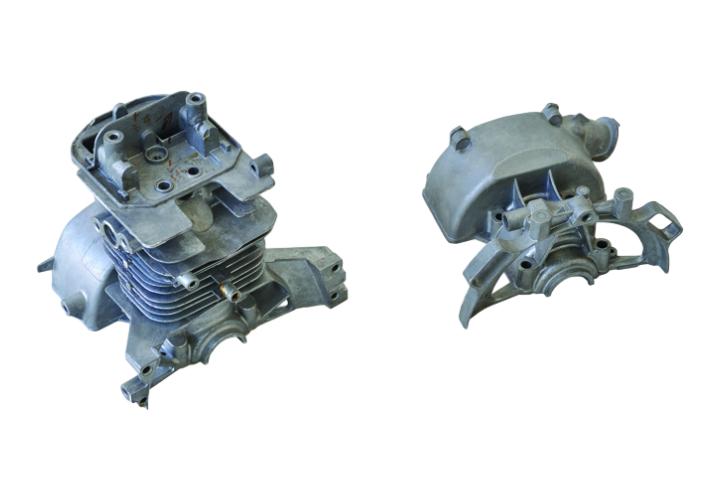
Aluminum alloy mold
18
2026-11
Understanding Prototype Aluminum Casting: A Key to Efficient Manufacturing
15
2026-11
Unleashing the Potential of Die Casting Mold in Modern Production
12
2026-11
Understanding Custom Aluminum Casting: A Key Process in Metal Manufacturing
09
2026-11
Optimizing Performance: The Essential Guide to Zinc Casting for Die Casting Tools
21
2026-10
Understanding Zinc Die Casting: A Comprehensive Guide for Manufacturing Professionals
18
2026-10
Empowering Manufacturers: The Benefits of Die Casting Machines
15
2026-10
Understanding Aluminum Die Casting: A Key Process in Metal Manufacturing
GM Diecasting Technology Co.,Limited.
Add:Building 1-5, Chongke Road, Shipai Town, Dongguan City, Guangdong Province
Email:henry@gmdiecastingtech.com
Email:lily@gmdiecastingtech.com
Tel:+8613680864695