
28

2026

-

08

Unlocking the Potential of Die Casting Machines in Metalworking

Author:


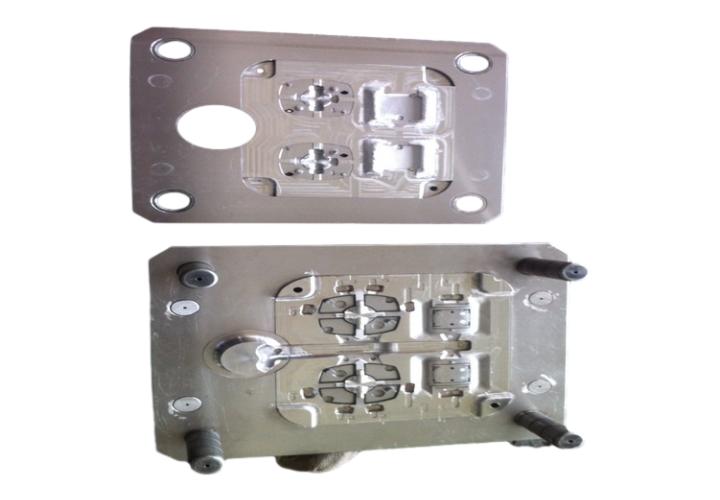
Die casting machines are pivotal in the realm of metalworking, particularly in manufacturing components that require high precision and durable properties. This method involves forcing molten metal into a mold cavity under high pressure, resulting in complex shapes and fine details that are often difficult to achieve through traditional machining processes. The versatility and effectiveness of die casting machines make them invaluable in the production of various metal parts across different industries.
One of the primary advantages of using die casting machines is their ability to produce parts with excellent dimensional accuracy. The pressure application during the casting process ensures that the metal fills the mold completely, minimizing the risk of air pockets and defects. This results in components that often require little to no secondary machining, saving time and resources. The high level of repeatability offered by die casting machines allows manufacturers to maintain stringent quality standards across large production runs, making it an ideal choice for industries that demand consistency.
Moreover, die casting is particularly suited for non-ferrous metals, such as aluminum, magnesium, and zinc. These materials not only provide lightweight solutions but also exhibit superior mechanical properties, enhancing the performance of the final products. The integration of die casting machines allows manufacturers to leverage these materials effectively, producing lightweight components that do not compromise on strength or durability.
Another significant benefit of die casting machines is their efficiency in production. The cycle times of these machines are relatively short compared to other manufacturing methods, which means that manufacturers can significantly ramp up production rates. This efficiency is further enhanced by the automation capabilities that many modern die casting machines offer, allowing for streamlined operations and reduced labor costs.
Environmental considerations are also important in the context of die casting. The process generates minimal waste, and many machines are designed to be energy-efficient, contributing to more sustainable manufacturing practices. Additionally, the ability to recycle materials used in die casting means that manufacturers can minimize their environmental footprint while optimizing resource usage.
In summary, die casting machines play a crucial role in advancing the capabilities of the metalworking industry. Their precision, efficiency, and versatility make them an essential tool for manufacturers looking to produce complex, high-quality components. By understanding the benefits and applications of die casting machines, businesses can better position themselves to meet the demands of modern manufacturing and stay competitive in an ever-evolving market.

die casting machine
12

2026-10

Aluminum Alloy Mold Maintenance: Best Practices and Tips for Longevity

Aluminum Alloy Mold Maintenance: Best Practices and Tips for Longevity Table of Contents Understanding Aluminum Alloy Molds The Importance of Mold Maintenance Best Practices for Aluminum Alloy Mold Maintenance Cleaning Procedures Lubrication Techniques Inspecting for Damage Effective Storage Tips for Aluminum Alloy Molds Tr

09

2026-10

Understanding Zinc Alloy Molds: A Key Component in Precision Manufacturing

Zinc alloy molds are increasingly significant in the realm of precision manufacturing, particularly within the mechanical hardware processing and mold fabrication sectors. These molds are crafted from zinc alloys, which are known for their excellent properties such as durability, resistance to corrosion, and good thermal conductivity. The combination of these characteristics makes zinc alloy molds

06

2026-10

Innovative Uses of Zinc Alloy in Sustainable Energy Solutions

Innovative Uses of Zinc Alloy in Sustainable Energy Solutions Introduction to Zinc Alloy and Its Importance Zinc alloy, a blend of zinc with other metals such as aluminum, copper, and magnesium, has garnered significant attention in various industries due to its superior properties. Its lightweight nature, corrosion resistance, and excellent mechanical strength make it an ideal choice for applicat

03

2026-10

The Versatility and Advantages of Aluminum Alloys in Modern Applications

Aluminum alloys are a pivotal component in the metallurgy and energy sectors. Due to their combination of lightweight properties, strength, and corrosion resistance, these alloys have become a favored material in numerous applications. Understanding aluminum alloys is essential for industries looking to optimize their manufacturing processes and product performance. Aluminum alloys are categorized

30

2026-09

The Art of Crafting Durable Aluminum Casts for Industrial Applications

The Art of Crafting Durable Aluminum Casts for Industrial Applications Aluminum casting has emerged as a crucial technique in the manufacturing sector, particularly for creating components that require both strength and lightweight properties. Understanding the nuances of this process is vital for industries ranging from automotive to aerospace. This article explores the multifaceted art of alumin

27

2026-09

The Essential Guide to Die Casting: Techniques, Applications, and Benefits

Die casting is a highly efficient metal casting process that involves forcing molten metal into a mold cavity under high pressure. This method is widely used in various industries due to its ability to produce complex shapes with high dimensional accuracy and a smooth surface finish. The die casting process is particularly significant in the manufacturing of machinery components, automotive parts,

24

2026-09

How to Stay Ahead in Mold Forging: Insights for Manufacturers

How to Stay Ahead in Mold Forging: Insights for Manufacturers Table of Contents Introduction to Mold Forging Understanding Mold Forging Processes Latest Technologies in Mold Forging The Importance of Material Selection Optimizing Manufacturing Processes for Efficiency Quality Control and Assurance in Mold Forging Sustainability in Mold Forging Practic

21

2026-09

The Essential Guide to Forging Molds: Understanding Their Importance in Manufacturing

Forging molds are specialized tools used in the forging process, which involves shaping metal through compressive forces. This method is prevalent in industries that require high-strength components, such as automotive, aerospace, and construction. The use of forging molds allows manufacturers to create precise and durable parts that meet stringent specifications. One of the key advantages of usin