



25
2026
-
08
Driving Innovation through Aluminum Die Casting: The Future of Manufacturing
Author:
Driving Innovation through Aluminum Die Casting: The Future of Manufacturing
In recent years, the manufacturing industry has experienced significant advancements, particularly with the rise of aluminum die casting. This innovative process has not only improved production efficiency but has also introduced new opportunities for design flexibility and material performance. In this article, we will explore the various facets of aluminum die casting, its impact on manufacturing, and how it drives innovation across multiple sectors.
Table of Contents
1. Understanding Aluminum Die Casting
2. Key Benefits of Aluminum Die Casting
3. The Die Casting Process Explained
4. Innovations in Aluminum Die Casting Technology
5. Applications of Aluminum Die Casting Across Industries
6. Challenges Faced in Aluminum Die Casting
7. The Future of Aluminum Die Casting
8. FAQs about Aluminum Die Casting
9. Conclusion: Embracing the Future of Manufacturing
1. Understanding Aluminum Die Casting
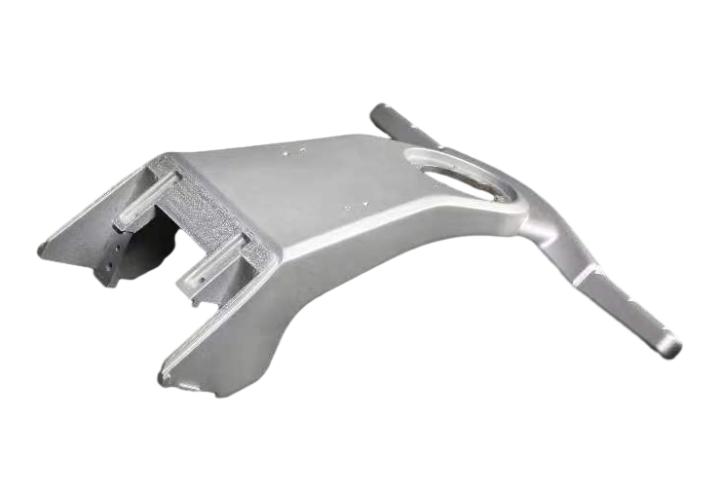
Aluminum die casting is a manufacturing process in which molten aluminum is injected into a mold cavity under high pressure. This technique allows for the creation of complex geometric shapes with precise dimensions and excellent surface finishes. The versatility of aluminum die casting makes it a preferred choice for producing components across various industries, including automotive, aerospace, consumer electronics, and more.
2. Key Benefits of Aluminum Die Casting
The benefits of aluminum die casting are numerous and play a crucial role in driving innovation in manufacturing. Some of the key advantages include:
2.1. Lightweight and Durable Components
Aluminum is known for its lightweight properties, making it an ideal material for applications where weight reduction is essential. Coupled with its strength and durability, aluminum die casting components can withstand extreme conditions while remaining easy to handle.
2.2. Cost-Effectiveness
The die casting process allows for high-volume production, which significantly reduces manufacturing costs. Additionally, the efficiency of aluminum die casting minimizes material waste, further enhancing cost-effectiveness.
2.3. Enhanced Design Flexibility
Aluminum die casting enables manufacturers to create intricate designs that would be challenging with traditional manufacturing methods. This design flexibility allows for more innovative products that meet the specific needs of various industries.
2.4. Superior Surface Finish
The die casting process produces components with excellent surface finishes, reducing the need for extensive post-processing. This quality enhances the aesthetic appeal and functionality of the final product.
3. The Die Casting Process Explained
Understanding the aluminum die casting process is essential to appreciate its innovations and applications fully. The process can be broken down into several key stages:
3.1. Mold Design and Preparation
The first step involves creating a mold that is specifically designed for the desired component. The mold is typically made from steel or iron to withstand the high pressures of the die casting process.
3.2. Melting the Aluminum
Aluminum ingots are heated in a furnace until they reach a molten state. This molten aluminum is then transferred to a die casting machine, ready for injection.
3.3. Injection of Molten Aluminum
The molten aluminum is injected into the mold cavity at high pressure. This rapid injection ensures that the aluminum fills the mold completely, capturing all intricate details.
3.4. Cooling and Solidification
Once the mold is filled, the molten aluminum is allowed to cool and solidify. The cooling time can vary depending on the complexity and thickness of the component.
3.5. Ejection of the Cast Part
After solidification, the mold is opened, and the cast part is ejected. The component may undergo additional processes like trimming, machining, or surface finishing, depending on the final requirements.
4. Innovations in Aluminum Die Casting Technology
The aluminum die casting industry has seen remarkable technological advancements that continue to enhance the capabilities of this manufacturing process. Some of the most notable innovations include:
4.1. Improved Mold Materials and Designs
The development of advanced mold materials has increased the lifespan and performance of aluminum die casting molds. Innovative designs, such as conformal cooling channels, allow for more efficient cooling, reducing cycle times and improving overall productivity.
4.2. Automation and Robotics
The integration of automation and robotics into the die casting process has significantly improved efficiency and precision. Automated systems can handle repetitive tasks, reducing human error and increasing production rates.
4.3. Simulation Software
Advanced simulation software enables manufacturers to model the die casting process virtually before production. This technology helps identify potential issues, optimize designs, and reduce material waste.
4.4. Hybrid Die Casting Techniques
The emergence of hybrid die casting techniques, which combine traditional die casting with other manufacturing methods, allows for enhanced material properties and greater design possibilities. These innovations are paving the way for the next generation of aluminum components.
5. Applications of Aluminum Die Casting Across Industries
Aluminum die casting has a wide range of applications across various industries. Some of the most notable sectors benefiting from this innovative manufacturing process include:
5.1. Automotive Industry
The automotive sector has embraced aluminum die casting for producing lightweight components such as engine blocks, transmission housings, and structural parts. The reduction in weight contributes to improved fuel efficiency and overall vehicle performance.
5.2. Aerospace Sector
In aerospace manufacturing, the stringent requirements for strength-to-weight ratios make aluminum die casting an ideal choice. Components such as brackets, housings, and support structures are commonly produced using this technique.
5.3. Consumer Electronics
Aluminum die casting is widely used in the consumer electronics industry for producing housings and enclosures. The lightweight and aesthetically pleasing finish of aluminum makes it a popular choice for smartphones, laptops, and other devices.
5.4. Industrial Machinery
The industrial machinery sector benefits from aluminum die casting through the production of durable and lightweight components. These parts enhance the performance and efficiency of machinery used in various applications.
5.5. HVAC Applications
Heating, ventilation, and air conditioning (HVAC) systems utilize aluminum die casting for producing components like fans, housings, and brackets. The lightweight nature of aluminum helps improve energy efficiency in these systems.
6. Challenges Faced in Aluminum Die Casting
While aluminum die casting offers numerous benefits, several challenges must be addressed to maximize its potential. Some of these challenges include:
6.1. Porosity Issues
Porosity, the presence of air pockets within the cast component, can compromise the strength and durability of die-cast parts. Manufacturers must implement stringent quality control measures to minimize porosity and ensure component integrity.
6.2. Tooling Costs
The initial investment in tooling for die casting can be substantial. Although the process is cost-effective for high-volume production, manufacturers must carefully evaluate their production needs to justify these costs.
6.3. Material Limitations
While aluminum offers many advantages, it may not be suitable for all applications. Manufacturers must consider the material properties required for specific components and evaluate whether aluminum die casting meets those requirements.
7. The Future of Aluminum Die Casting
The future of aluminum die casting looks promising, with continuous advancements in technology and processes. Key trends shaping the future of aluminum die casting include:
7.1. Sustainable Manufacturing Practices
As industries increasingly focus on sustainability, aluminum die casting is well-positioned to meet these demands. The recycling of aluminum and the reduction of waste during the casting process contribute to environmentally friendly manufacturing practices.
7.2. Increased Customization
The demand for customized components is on the rise. Advances in die casting technology will enable manufacturers to produce highly customized parts that meet specific customer requirements, enhancing market competitiveness.
7.3. Smart Manufacturing
The integration of smart manufacturing technologies, such as the Internet of Things (IoT) and artificial intelligence (AI), will revolutionize the aluminum die casting process. These technologies will enable real-time monitoring, predictive maintenance, and enhanced decision-making, driving efficiency and innovation.
8. FAQs about Aluminum Die Casting
8.1. What is the main advantage of aluminum die casting over other methods?
The primary advantage of aluminum die casting is its ability to produce complex shapes with high dimensional accuracy, surface finish, and low production costs for high volumes.
8.2. How does the aluminum die casting process compare to other casting methods?
Aluminum die casting typically offers faster production rates, better surface finishes, and greater design flexibility compared to sand casting and other casting methods.
8.3. Can aluminum die casting be used for small production runs?
While aluminum die casting is most cost-effective for high-volume production, it is possible to produce smaller runs, although the tooling costs may be a factor to consider.
8.4. What industries benefit most from aluminum die casting?
Industries such as automotive, aerospace, consumer electronics, industrial machinery, and HVAC applications benefit significantly from aluminum die casting.
8.5. Is aluminum die casting environmentally friendly?
Yes, aluminum die casting can be environmentally friendly, especially with the recycling of aluminum and the reduction of waste in the casting process.
9. Conclusion: Embracing the Future of Manufacturing
In conclusion, aluminum die casting is driving innovation in the manufacturing sector by providing lightweight, durable, and cost-effective solutions for a wide range of applications. As technology continues to evolve, the benefits of aluminum die casting will only expand, addressing the challenges of modern manufacturing while meeting the ever-increasing demands for customization and sustainability. Embracing these innovations will position manufacturers at the forefront of the industry, ensuring they remain competitive in an ever-changing market landscape.
aluminum die casting
21
2026-11
Unveiling the Secrets of Zinc Alloy Die Casting in Enhancing Die Mold Durability
18
2026-11
Understanding Prototype Aluminum Casting: A Key to Efficient Manufacturing
15
2026-11
Unleashing the Potential of Die Casting Mold in Modern Production
12
2026-11
Understanding Custom Aluminum Casting: A Key Process in Metal Manufacturing
09
2026-11
Optimizing Performance: The Essential Guide to Zinc Casting for Die Casting Tools
21
2026-10
Understanding Zinc Die Casting: A Comprehensive Guide for Manufacturing Professionals
18
2026-10
Empowering Manufacturers: The Benefits of Die Casting Machines
GM Diecasting Technology Co.,Limited.
Add:Building 1-5, Chongke Road, Shipai Town, Dongguan City, Guangdong Province
Email:henry@gmdiecastingtech.com
Email:lily@gmdiecastingtech.com
Tel:+8613680864695