



05
2024
-
11
Achieving Precision with new Aluminum Die Casting Techniques: Elevating Manufacturing Standards
Author:
Achieving Precision with Aluminum Die Casting Techniques
Introduction to Aluminum Die Casting
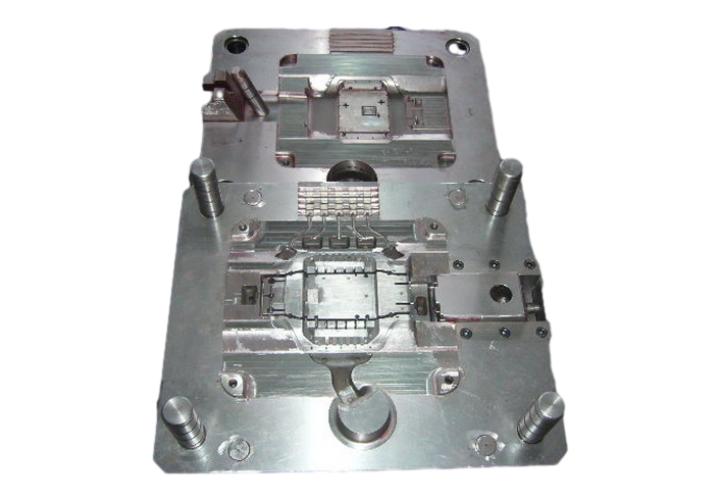
Aluminum die casting has emerged as a cornerstone in the **manufacturing industry**, particularly in sectors demanding high precision and durability. The process involves pouring molten aluminum into a die or mold, allowing it to solidify and take the desired shape. This technique is favored for its ability to produce intricate designs with tight tolerances, making it indispensable for applications like automotive parts, aerospace components, and consumer electronics.
The Importance of Precision in Manufacturing
Precision in manufacturing is critical for several reasons:
Quality Assurance and Consistency
Achieving high precision ensures that each component meets strict quality standards. Consistency in dimensions and performance not only enhances product quality but also fosters trust with customers.
Cost Efficiency
Precision contributes to **cost efficiency** by minimizing waste material and reducing the need for rework. By producing parts that fit correctly the first time, manufacturers can save time and resources.
Competitive Advantage
In a competitive marketplace, precision can be a differentiator. Companies that deliver high-precision components often outperform their rivals, leading to increased market share and profitability.
Key Benefits of Aluminum Die Casting Techniques
Understanding the benefits of aluminum die casting is essential for manufacturers looking to implement this technique effectively.
1. Lightweight and Strong Components
Aluminum die casting produces components that are not only lightweight but also robust. This makes them ideal for industries where weight reduction is crucial, such as aerospace and automotive.
2. Complex Geometries
The **die casting process** allows for the creation of complex geometries that would be difficult or impossible to achieve with traditional manufacturing methods. This flexibility enables engineers to design innovative components.
3. Excellent Surface Finish
Aluminum die casting provides a superior surface finish, reducing the need for additional finishing processes. This not only enhances the aesthetics of the product but also improves its performance.
4. Rapid Production Rates
One of the most significant advantages of aluminum die casting is its ability to produce large quantities of parts rapidly. This is particularly beneficial for manufacturers that require high-volume production runs.
Understanding the Aluminum Die Casting Process
To achieve precision in aluminum die casting, it’s essential to understand the various steps involved in the process.
Step 1: Design and Development
The first step in aluminum die casting is the design of the component. Engineers use CAD software to create detailed designs that accommodate the **die casting process**. This includes considerations for draft angles, wall thickness, and features that may affect the flow of molten aluminum.
Step 2: Mold Creation
Once the design is finalized, the creation of the mold occurs. Molds are typically made from steel and must be engineered to withstand the high pressures of the die casting process. Proper mold design is crucial for ensuring dimensional accuracy and surface quality.
Step 3: Melting and Pouring
Aluminum is melted in a furnace and then poured into the mold under high pressure. This step is critical, as the temperature and pouring speed can significantly affect the final product's quality.
Step 4: Cooling and Ejection
After pouring, the molten aluminum cools and solidifies. Once adequately cooled, the mold opens, and the finished part is ejected. This step must be carefully timed to avoid defects such as warping or cracking.
Step 5: Finishing Processes
Although aluminum die casting provides excellent surface finishes, additional finishing processes such as machining, anodizing, or painting may be required to meet specific customer requirements.
Best Practices for Achieving Precision in Aluminum Die Casting
To maximize the precision and efficiency of aluminum die casting, manufacturers should follow these best practices:
1. Invest in High-Quality Molds
Quality molds are essential for achieving precision. Investing in durable, well-designed molds can significantly reduce errors and improve overall production quality.
2. Monitor Temperature and Pressure
Maintaining optimal temperature and pressure during the casting process is crucial. Regular monitoring and adjustments can prevent defects and ensure consistent quality.
3. Implement Rigorous Quality Control
Establishing a robust quality control process allows manufacturers to catch defects early in the production cycle. This includes regular inspections and testing of materials and finished products.
4. Train Skilled Operators
Skilled operators play a vital role in the success of aluminum die casting. Providing thorough training ensures that operators understand the equipment, materials, and processes involved.
5. Utilize Advanced Technologies
Incorporating advanced technologies such as simulation software can enhance the design and testing phases, leading to improved outcomes in precision and efficiency.
Challenges in Aluminum Die Casting and How to Overcome Them
While aluminum die casting offers numerous benefits, it is not without its challenges.
1. Porosity Issues
Porosity can occur when gas is trapped in the molten aluminum during the casting process. To mitigate this, manufacturers can use vacuum systems or modify the mold design to improve gas escape pathways.
2. Dimensional Variability
Dimensional variability may arise due to thermal contraction or inconsistencies in the casting process. Regular calibration of equipment and adherence to strict design specifications can help minimize this issue.
3. Tooling Costs
The upfront costs of tooling can be significant. However, manufacturers should consider the long-term savings achieved through reduced material waste and improved production efficiency.
Future Trends in Aluminum Die Casting
As technology continues to evolve, several trends are shaping the future of aluminum die casting.
1. Automation and Robotics
The integration of automation and robotics in die casting processes is on the rise. These technologies enhance production efficiency and precision while minimizing human error.
2. Sustainable Practices
Sustainability is becoming increasingly important in manufacturing. Aluminum die casting processes are evolving to include environmentally friendly practices, such as recycling scrap aluminum and reducing energy consumption.
3. Advanced Alloys
The development of advanced aluminum alloys is allowing manufacturers to create components with improved strength, corrosion resistance, and thermal properties. These innovations are paving the way for new applications in various industries.
FAQs about Aluminum Die Casting Techniques
1. What is the typical cycle time for aluminum die casting?
The cycle time for aluminum die casting typically ranges from 30 seconds to several minutes, depending on the complexity of the part and the efficiency of the machinery.
2. Can aluminum die casting produce intricate designs?
Yes, aluminum die casting is well-suited for producing intricate designs due to its ability to create complex geometries with high precision.
3. What industries commonly use aluminum die casting?
Aluminum die casting is widely used in industries such as automotive, aerospace, electronics, and consumer goods for its lightweight and durable components.
4. How does aluminum die casting compare to other manufacturing methods?
Aluminum die casting offers advantages such as superior surface finish, high production rates, and the ability to create complex shapes compared to methods like injection molding or machining.
5. What are some common applications of aluminum die casting?
Common applications include engine components, transmission housings, electrical enclosures, and various other precision parts used in automotive and industrial applications.
Conclusion
Aluminum die casting techniques are vital for achieving the precision and quality required in today’s manufacturing landscape. By understanding the process, benefits, best practices, and future trends, manufacturers can leverage this powerful technique to produce high-quality components that meet stringent industry standards. As technology advances and sustainability becomes paramount, the aluminum die casting industry is poised for continued growth and innovation. Embracing these developments will enable manufacturers to stay competitive and deliver superior products to their customers.
new Aluminum Die Casting
30
2026-09
The Art of Crafting Durable Aluminum Casts for Industrial Applications
27
2026-09
The Essential Guide to Die Casting: Techniques, Applications, and Benefits
24
2026-09
How to Stay Ahead in Mold Forging: Insights for Manufacturers
21
2026-09
The Essential Guide to Forging Molds: Understanding Their Importance in Manufacturing
18
2026-09
Zinc Die Casting Parts: A Premier Cost-Effective Solution for Customized Manufacturing
15
2026-09
The Intricacies of Zinc Alloy Die Casting: A Comprehensive Overview
12
2026-09
The Art of Creating Intricate Designs Through Aluminum Prototype Casting
GM Diecasting Technology Co.,Limited.
Add:Building 1-5, Chongke Road, Shipai Town, Dongguan City, Guangdong Province
Email:henry@gmdiecastingtech.com
Email:lily@gmdiecastingtech.com
Tel:+8613680864695