
04

2024

-

11

Exploring the Benefits and Process of Aluminum Die Casting in Manufacturing

Author:


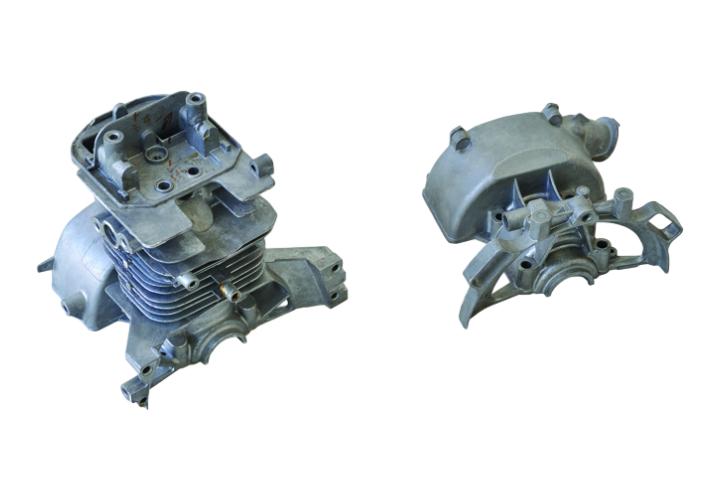
Aluminum die casting is a manufacturing process that involves forcing molten aluminum into a mold cavity under high pressure. This method is widely favored in the production of complex parts commonly found in various industries, including automotive, aerospace, and electronics. One of the primary advantages of aluminum die casting is its ability to create components with excellent dimensional accuracy and surface finish, making it ideal for applications that require tight tolerances.
The die casting process begins with the preparation of a mold, typically made of steel, which is designed to meet the specifications of the desired component. Once the mold is ready, molten aluminum is injected into the cavity using a die casting machine, which applies pressure to ensure the metal fills every part of the mold. After the aluminum cools and solidifies, the mold is opened, and the finished part is ejected. This process allows for rapid production rates, making aluminum die casting an efficient choice for high-volume manufacturing.
One of the standout benefits of aluminum die casting is the lightweight nature of aluminum itself. This characteristic is particularly advantageous in industries where weight reduction is crucial, such as aerospace and automotive, as it can lead to improved fuel efficiency and performance. Additionally, aluminum's excellent corrosion resistance extends the lifespan of components, further enhancing their value.
Moreover, aluminum die casting supports a variety of design possibilities. The process can accommodate intricate shapes and complex geometries that other manufacturing methods may struggle with. This flexibility opens up opportunities for innovation in product design, allowing engineers and designers to create components that were previously considered unfeasible.
The environmental impact of aluminum die casting is also noteworthy. Aluminum is a highly recyclable material, which means that components produced through die casting can be recycled at the end of their life cycle. This sustainability aspect aligns with the growing emphasis on eco-friendly manufacturing practices.
In summary, aluminum die casting is a highly effective and versatile method for producing high-quality components in various industries. Its ability to deliver precision, lightweight materials, and sustainable practices makes it an attractive option for manufacturers looking to innovate and optimize their production processes. Understanding the benefits and applications of aluminum die casting can empower businesses to make informed decisions in their manufacturing journey.

aluminum die casting
21

2026-11

Unveiling the Secrets of Zinc Alloy Die Casting in Enhancing Die Mold Durability

Unveiling the Secrets of Zinc Alloy Die Casting in Enhancing Die Mold Durability Table of Contents 1. Introduction to Zinc Alloy Die Casting 2. Understanding Zinc Alloy Properties 3. Benefits of Zinc Alloy Die Casting 4. The Importance of Die Mold Durability 5. Enhancing Die Mold Durability with Zinc Alloys 6. Advanced Die Casting Techniques 7. Real-World Applications

18

2026-11

Understanding Prototype Aluminum Casting: A Key to Efficient Manufacturing

Prototype aluminum casting is a vital component in the development of various mechanical parts and components used in many industries. This process allows engineers and designers to create initial models or prototypes of their designs, enabling them to test functionality, refine specifications, and optimize designs before full-scale production begins. The advantages of using aluminum for prototypi

15

2026-11

Unleashing the Potential of Die Casting Mold in Modern Production

Unleashing the Potential of Die Casting Mold in Modern Production Table of Contents Introduction to Die Casting Molds What is Die Casting? Benefits of Die Casting Molds in Manufacturing Applications of Die Casting Molds in Various Industries Die Casting in the Automotive Industry Die Casting in the Aerospace Industry Die Casting in the

12

2026-11

Understanding Custom Aluminum Casting: A Key Process in Metal Manufacturing

Custom aluminum casting is a manufacturing technique that involves pouring molten aluminum into a mold to create parts with specific shapes and dimensions. This method is particularly advantageous for producing complex geometries that would be challenging to achieve through traditional machining methods. In the context of mechanical processing and hardware manufacturing, custom aluminum casting en

09

2026-11

Optimizing Performance: The Essential Guide to Zinc Casting for Die Casting Tools

Optimizing Performance: The Essential Guide to Zinc Casting for Die Casting Tools Table of Contents 1. Introduction to Zinc Casting in Die Casting Tools 2. Benefits of Zinc Casting for Die Casting Tools 3. The Zinc Casting Process Explained 4. Common Applications of Zinc Casting in Die Casting 5. Challenges in Zinc Casting and How to Overcome Them 6. Tips for Optimizin

21

2026-10

Understanding Zinc Die Casting: A Comprehensive Guide for Manufacturing Professionals

Zinc die casting is a metal casting process that involves forcing molten zinc alloy into a mold cavity under high pressure. This technique is particularly valued in manufacturing due to its ability to create intricate and precise geometries, making it ideal for various applications across multiple industries. One of the primary advantages of zinc die casting is its ability to produce parts with ex

18

2026-10

Empowering Manufacturers: The Benefits of Die Casting Machines

Empowering Manufacturers: The Benefits of Die Casting Machines Manufacturing has come a long way, and in this journey, die casting machines have emerged as a cornerstone for efficiency, precision, and adaptability. The die casting process is widely used in various industries, providing solutions that significantly enhance production capabilities. This extensive article delves into the myriad benef

15

2026-10

Understanding Aluminum Die Casting: A Key Process in Metal Manufacturing

Aluminum die casting is a highly efficient manufacturing process used to produce complex and precise metal parts. This technique involves forcing molten aluminum into a mold under high pressure. The result is a product that exhibits excellent dimensional accuracy, surface finish, and mechanical properties. As such, aluminum die casting stands out as a preferred method for producing components in v