



28
2024
-
10
Driving Innovation in Mechanical Hardware with Zinc Alloy Molds: A Comprehensive Exploration
Author:
Driving Innovation in Mechanical Hardware with Zinc Alloy Molds
Table of Contents
1. Introduction to Zinc Alloy Molds in Mechanical Hardware
2. Understanding Zinc Alloy: Composition and Properties
3. Advantages of Using Zinc Alloy Molds
3.1 Enhanced Durability and Strength
3.2 Cost-Effectiveness in Manufacturing
3.3 Design Flexibility and Precision Engineering
4. Applications of Zinc Alloy Molds in Mechanical Hardware
4.1 Automotive Industry
4.2 Electronics and Consumer Goods
4.3 Industrial Machinery
5. The Process of Zinc Alloy Mold Creation
5.1 Melting and Alloying Techniques
5.2 Mold Design and Fabrication
5.3 Finishing Processes for Optimal Performance
6. Innovations in Zinc Alloy Mold Technology
6.1 Advanced Manufacturing Techniques
6.2 Sustainability in Zinc Alloy Production
7. Challenges and Considerations in Using Zinc Alloy Molds
8. Future Trends in Zinc Alloy Molds for Mechanical Hardware
9. Frequently Asked Questions (FAQs)
10. Conclusion
1. Introduction to Zinc Alloy Molds in Mechanical Hardware
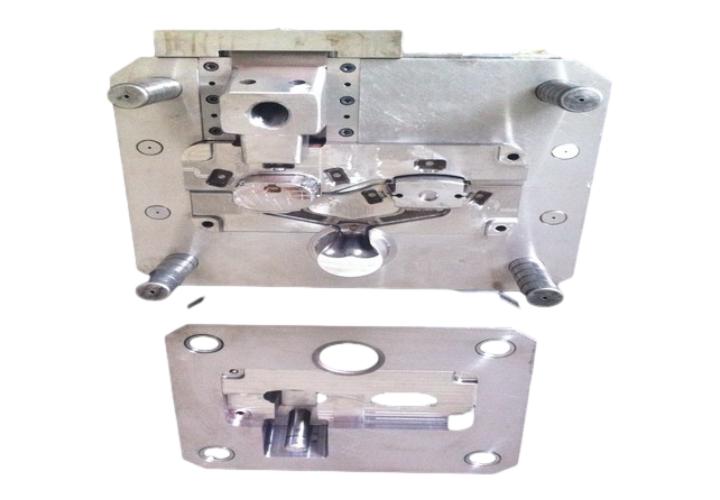
In the ever-evolving landscape of manufacturing, **zinc alloy molds** have emerged as a pivotal element in driving innovation within the mechanical hardware industry. Their unique properties, coupled with their adaptability to various manufacturing processes, make them a compelling choice for engineers and manufacturers alike. This article explores the numerous advantages, applications, and technological advancements associated with zinc alloy molds, highlighting their role in enhancing the performance and efficiency of mechanical hardware.
2. Understanding Zinc Alloy: Composition and Properties
Zinc alloys are primarily composed of zinc, with other metals such as aluminum, copper, and magnesium added to enhance specific characteristics. This combination results in materials that boast **excellent corrosion resistance**, **high strength-to-weight ratios**, and **good casting characteristics**. The precise control of alloy composition allows manufacturers to tailor the properties of zinc alloys to meet different engineering requirements, making them ideal for a wide range of applications.
3. Advantages of Using Zinc Alloy Molds
3.1 Enhanced Durability and Strength
Zinc alloys exhibit remarkable strength and durability, which translates to longer-lasting molds. This durability ensures that zinc alloy molds can withstand the rigors of high-volume production processes, reducing the frequency of replacements and repairs.
3.2 Cost-Effectiveness in Manufacturing
The production of zinc alloy molds typically translates to lower manufacturing costs compared to other materials. Their efficiency in the casting process means fewer resources are required, resulting in cost savings that can be passed on to consumers.
3.3 Design Flexibility and Precision Engineering
Zinc alloy molds enable designers to create complex geometries and intricate details with precision. This flexibility in design fosters innovation, allowing for the development of advanced mechanical components that meet the evolving needs of various industries.
4. Applications of Zinc Alloy Molds in Mechanical Hardware
4.1 Automotive Industry
In the automotive sector, zinc alloy molds play a crucial role in the production of lightweight yet durable components. From engine parts to exterior fittings, zinc alloys contribute to advancements in fuel efficiency and overall vehicle performance.
4.2 Electronics and Consumer Goods
The electronics industry benefits from zinc alloy molds in the production of housings and enclosures that require both strength and aesthetic appeal. The ability to achieve intricate designs makes zinc alloys a popular choice for consumer electronics.
4.3 Industrial Machinery
Zinc alloy molds are extensively used in manufacturing components for industrial machines. Their robustness and resistance to wear ensure that machinery operates efficiently, minimizing downtime and maintenance costs.
5. The Process of Zinc Alloy Mold Creation
5.1 Melting and Alloying Techniques
The first step in creating zinc alloy molds involves melting the zinc and other alloying materials. This process requires precise temperature control to ensure the desired properties of the final product are achieved.
5.2 Mold Design and Fabrication
Once the alloy is prepared, the design phase begins. Engineers utilize advanced software to create detailed designs that consider every aspect of functionality and aesthetics. The actual fabrication of molds is carried out using computer numerical control (CNC) machines, ensuring high precision.
5.3 Finishing Processes for Optimal Performance
After the molds are created, finishing processes such as polishing and coating are applied to enhance their surface properties. These treatments improve the molds' resistance to corrosion and wear, extending their operational lifespan.
6. Innovations in Zinc Alloy Mold Technology
6.1 Advanced Manufacturing Techniques
The introduction of **3D printing** and other additive manufacturing technologies has revolutionized the way zinc alloy molds are produced. These techniques allow for rapid prototyping and reduced lead times, making it easier for manufacturers to innovate.
6.2 Sustainability in Zinc Alloy Production
With growing awareness about environmental impact, the zinc alloy industry is investing in sustainable practices. These include recycling zinc and improving energy efficiency during production, which not only benefits the environment but also lowers costs.
7. Challenges and Considerations in Using Zinc Alloy Molds
Despite their advantages, zinc alloy molds are not without challenges. Factors such as thermal stability and susceptibility to certain environmental conditions must be considered during the design and manufacturing processes. Manufacturers must also stay informed about the evolving regulations regarding materials to ensure compliance.
8. Future Trends in Zinc Alloy Molds for Mechanical Hardware
As technology continues to advance, the future of zinc alloy molds looks promising. Trends such as increased automation in mold production, further enhancements in alloy compositions, and the rise of sustainable manufacturing practices are expected to shape the industry in the coming years.
9. Frequently Asked Questions (FAQs)
1. What are the main benefits of using zinc alloy molds in manufacturing?
Zinc alloy molds offer enhanced durability, cost-effectiveness, and design flexibility, making them suitable for various applications.
2. How does the composition of zinc alloys affect their properties?
The addition of metals such as aluminum and copper can significantly enhance the strength, corrosion resistance, and casting properties of zinc alloys.
3. What industries benefit the most from zinc alloy molds?
Industries such as automotive, electronics, and industrial machinery are major beneficiaries of zinc alloy molds due to their unique properties and applications.
4. Are zinc alloy molds environmentally friendly?
Yes, many manufacturers are adopting sustainable practices in the production of zinc alloys, including recycling and energy-efficient processes.
5. What is the expected future of zinc alloy molds in manufacturing?
The future of zinc alloy molds includes advancements in automation, further improvements in material properties, and a greater emphasis on sustainable practices.
10. Conclusion
Zinc alloy molds are undeniably transforming the mechanical hardware landscape. With their superior properties, cost-effectiveness, and versatility, they are becoming increasingly essential in various industries. As we continue to innovate and refine our manufacturing processes, the potential for zinc alloy molds is limitless, paving the way for more efficient, durable, and sustainable mechanical hardware solutions. By embracing these advancements, manufacturers can stay competitive and meet the ever-growing demands of the market.
Zinc alloy mold
30
2026-09
The Art of Crafting Durable Aluminum Casts for Industrial Applications
27
2026-09
The Essential Guide to Die Casting: Techniques, Applications, and Benefits
24
2026-09
How to Stay Ahead in Mold Forging: Insights for Manufacturers
21
2026-09
The Essential Guide to Forging Molds: Understanding Their Importance in Manufacturing
18
2026-09
Zinc Die Casting Parts: A Premier Cost-Effective Solution for Customized Manufacturing
15
2026-09
The Intricacies of Zinc Alloy Die Casting: A Comprehensive Overview
12
2026-09
The Art of Creating Intricate Designs Through Aluminum Prototype Casting
GM Diecasting Technology Co.,Limited.
Add:Building 1-5, Chongke Road, Shipai Town, Dongguan City, Guangdong Province
Email:henry@gmdiecastingtech.com
Email:lily@gmdiecastingtech.com
Tel:+8613680864695