



27
2024
-
10
Understanding Zinc Alloy Molds: A Key Component in Precision Manufacturing
Author:
Zinc alloy molds play a critical role in the manufacturing and machining sectors, particularly in the area of mold processing. These molds are predominantly used in die casting processes due to their unique combination of properties that make them suitable for producing intricate and precise components. Zinc alloys, known for their excellent fluidity, low melting points, and good corrosion resistance, are ideal materials for creating molds that can withstand the rigors of high-volume production.
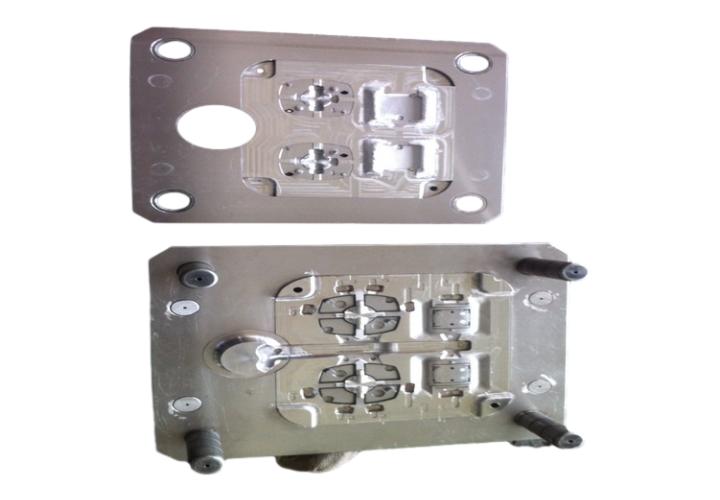
One of the primary advantages of using zinc alloy molds is their ability to produce high-quality parts consistently. The precision offered by these molds allows manufacturers to achieve tight tolerances, which is essential for components that need to fit together perfectly in complex assemblies. Additionally, the durability of zinc alloy molds can lead to extended production runs without significant wear, making them a cost-effective choice for businesses focused on efficiency and quality.
In terms of applications, zinc alloy molds are widely utilized in various industries. They are particularly prevalent in the automotive and electronics sectors, where precision and reliability are crucial. Components such as housings, connectors, and intricate mechanical parts often rely on zinc alloy molds for their production. The versatility of these molds also allows them to be employed in creating products across different sectors, including consumer goods and industrial equipment.
When considering the use of zinc alloy molds, several factors come into play. The choice of zinc alloy is paramount, as different compositions can affect the mold’s performance and longevity. It is essential to select an alloy that aligns with the specific requirements of the application, such as the desired mechanical properties and the expected production volume. Moreover, the design of the mold itself should be optimized to ensure efficient filling, cooling, and ejection processes, which are vital for achieving high-quality outputs.
Furthermore, the maintenance of zinc alloy molds is crucial to sustaining their performance over time. Regular inspections and appropriate cleaning methods can help prevent issues such as corrosion or buildup of residues, which in turn can extend the mold's lifespan and maintain the quality of the produced parts.
In conclusion, zinc alloy molds are indispensable in the realm of precision manufacturing, offering a blend of durability, precision, and versatility. Understanding their advantages and ensuring proper selection and maintenance can significantly enhance production efficiency and product quality in the machining industry. As manufacturing processes continue to evolve, the role of zinc alloy molds is likely to expand, making them a fundamental component in modern manufacturing practices.
Zinc alloy mold
30
2026-09
The Art of Crafting Durable Aluminum Casts for Industrial Applications
27
2026-09
The Essential Guide to Die Casting: Techniques, Applications, and Benefits
24
2026-09
How to Stay Ahead in Mold Forging: Insights for Manufacturers
21
2026-09
The Essential Guide to Forging Molds: Understanding Their Importance in Manufacturing
18
2026-09
Zinc Die Casting Parts: A Premier Cost-Effective Solution for Customized Manufacturing
15
2026-09
The Intricacies of Zinc Alloy Die Casting: A Comprehensive Overview
12
2026-09
The Art of Creating Intricate Designs Through Aluminum Prototype Casting
GM Diecasting Technology Co.,Limited.
Add:Building 1-5, Chongke Road, Shipai Town, Dongguan City, Guangdong Province
Email:henry@gmdiecastingtech.com
Email:lily@gmdiecastingtech.com
Tel:+8613680864695