



15
2024
-
08
Elevating Forge Mold Standards with Zinc Alloy Die Casting Innovations
Author:
Elevating Forge Mold Standards with Zinc Alloy Die Casting Innovations
Table of Contents
- Introduction to Zinc Alloy Die Casting and Forge Molds
- Key Benefits of Zinc Alloy Die Casting in Forge Molds
- Cost-Efficiency of Zinc Alloy Die Casting
- Enhanced Quality and Precision
- Versatility in Applications
- Sustainability and Environmental Impact
- Applications of Zinc Alloy Die Casting in Manufacturing
- Technological Advancements in Zinc Alloy Die Casting
- Meeting Industry Standards with Zinc Alloy Die Casting
- Case Studies: Success Stories in Zinc Alloy Die Casting
- Future Trends in Die Casting and Forge Mold Technology
- Frequently Asked Questions (FAQs)
- Conclusion: The Future of Zinc Alloy Die Casting in Elevating Forge Mold Standards
Introduction to Zinc Alloy Die Casting and Forge Molds
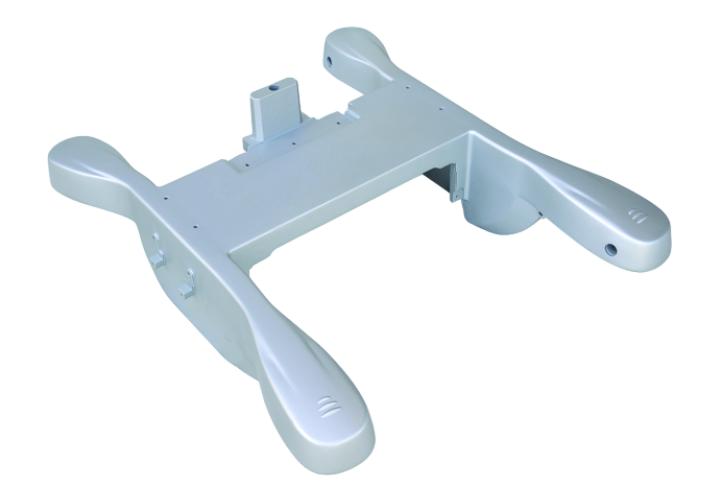
Zinc alloy die casting has emerged as a pivotal technique in the manufacturing sector, particularly for forge molds. With the increasing demand for high-performance, cost-effective solutions, industries are turning to zinc alloys to meet their production needs. This method not only enhances the quality and precision of molds but also contributes to reduced manufacturing costs and improved sustainability practices.
Key Benefits of Zinc Alloy Die Casting in Forge Molds
The adoption of zinc alloy die casting in forge molds presents several advantages that enhance the overall manufacturing process.
Cost-Efficiency of Zinc Alloy Die Casting
Utilizing zinc alloys in die casting significantly reduces production costs. The ability to produce complex shapes with minimal waste allows manufacturers to optimize material usage. Additionally, the shorter cycle times associated with zinc alloy casting translate to increased productivity and lower labor costs, making it a financially attractive option for businesses.
Enhanced Quality and Precision
Zinc alloys possess excellent fluidity, enabling the creation of intricate designs with high dimensional accuracy. This precision is crucial in forge molds, where even the slightest deviations can lead to product defects. Furthermore, zinc alloy products typically exhibit superior mechanical properties, providing durability and reliability that are essential in high-stress applications.
Versatility in Applications
One of the standout features of zinc alloy die casting is its versatility. It can be utilized in various applications ranging from automotive components to electronic housings. This adaptability ensures that manufacturers can leverage zinc alloys across different sectors, making it a valuable asset in their production toolkit.
Sustainability and Environmental Impact
As industries strive for sustainable practices, zinc alloy die casting presents an eco-friendly solution. Zinc is abundant and recyclable, making it a responsible choice for manufacturers. The die casting process itself generates minimal waste, and the longevity of zinc alloy products reduces the frequency of replacements, further contributing to sustainability efforts.
Applications of Zinc Alloy Die Casting in Manufacturing
Zinc alloy die casting is utilized in various manufacturing processes, showcasing its broad applicability.
Automotive Industry
In the automotive sector, zinc alloy die casting is instrumental in producing parts such as engine blocks, transmission housings, and decorative trim. The lightweight nature of zinc alloys contributes to improved fuel efficiency while maintaining the strength and durability required in automotive applications.
Electronics
Zinc alloys are widely used in the electronics industry for creating housings and components that require precision and reliability. The excellent thermal conductivity of zinc alloys also facilitates heat dissipation, enhancing the performance of electronic devices.
Industrial Tools and Equipment
The manufacturing of industrial tools and equipment benefits greatly from zinc alloy die casting. The ability to produce intricate designs and robust forms enables the creation of tools that withstand rigorous usage while optimizing functionality.
Technological Advancements in Zinc Alloy Die Casting
The landscape of zinc alloy die casting is continually evolving, with technological advancements driving improvements in efficiency and quality.
Automation and Robotics
The integration of automation and robotics in zinc alloy die casting processes enhances production capabilities. Automated systems improve precision, reduce cycle times, and minimize human error, ultimately leading to higher-quality outputs.
3D Printing Integration
Combining 3D printing with zinc alloy die casting allows for rapid prototyping and design iteration. This synergy enables manufacturers to test and refine mold designs quickly, reducing time to market and enhancing product innovation.
Meeting Industry Standards with Zinc Alloy Die Casting
Compliance with industry standards is crucial for manufacturers, and zinc alloy die casting meets these requirements effectively. The high-quality output that zinc alloys provide ensures that products are suitable for various certifications and regulations, reinforcing their reliability in the marketplace.
Case Studies: Success Stories in Zinc Alloy Die Casting
Several companies have successfully integrated zinc alloy die casting into their production processes, achieving remarkable results.
Case Study 1: Automotive Component Manufacturer
An automotive component manufacturer implemented zinc alloy die casting for engine parts, resulting in a 20% reduction in weight without compromising strength. This innovation not only improved fuel efficiency but also reduced material costs.
Case Study 2: Electronic Device Producer
An electronic device producer adopted zinc alloy die casting for their product housings, leading to enhanced thermal management and improved product reliability. The company reported a 30% increase in customer satisfaction due to the improved performance of their devices.
Future Trends in Die Casting and Forge Mold Technology
As the manufacturing landscape continues to evolve, several trends are shaping the future of zinc alloy die casting.
Smart Manufacturing
The rise of smart manufacturing, characterized by data-driven decision-making and connected devices, will further enhance the capabilities of zinc alloy die casting. Manufacturers can leverage real-time data to optimize processes and improve quality control.
Sustainable Materials and Practices
With a growing emphasis on sustainability, the use of zinc alloys will expand as manufacturers seek eco-friendly alternatives. Innovations in material science may lead to the development of new, sustainable alloys that maintain the performance benefits of traditional zinc alloys.
Frequently Asked Questions (FAQs)
1. What is zinc alloy die casting?
Zinc alloy die casting is a manufacturing process where molten zinc alloy is injected into a mold to create precise and complex parts.
2. What are the advantages of using zinc alloys in die casting?
Zinc alloys offer benefits such as cost-efficiency, enhanced quality, versatility, and sustainability, making them an ideal choice for various applications.
3. How does zinc alloy die casting contribute to sustainability?
Zinc is abundant and recyclable, and the die casting process generates minimal waste, contributing to eco-friendly manufacturing practices.
4. In which industries is zinc alloy die casting commonly used?
Zinc alloy die casting is widely used in the automotive, electronics, and industrial tools sectors, among others.
5. What future trends should we expect in zinc alloy die casting?
Expect trends such as smart manufacturing, advancements in automation, and the development of sustainable materials to shape the future of zinc alloy die casting.
Conclusion: The Future of Zinc Alloy Die Casting in Elevating Forge Mold Standards
Zinc alloy die casting stands at the forefront of innovations that are elevating the standards of forge molds. Its cost-efficiency, enhanced quality, versatility, and sustainable attributes make it an essential component of modern manufacturing. As technology advances and industries evolve, the role of zinc alloys in die casting will only expand, paving the way for a more efficient and sustainable future. Embracing these innovations today can lead to significant competitive advantages in tomorrow's manufacturing landscape.
zinc alloy die casting
30
2026-09
The Art of Crafting Durable Aluminum Casts for Industrial Applications
27
2026-09
The Essential Guide to Die Casting: Techniques, Applications, and Benefits
24
2026-09
How to Stay Ahead in Mold Forging: Insights for Manufacturers
21
2026-09
The Essential Guide to Forging Molds: Understanding Their Importance in Manufacturing
18
2026-09
Zinc Die Casting Parts: A Premier Cost-Effective Solution for Customized Manufacturing
15
2026-09
The Intricacies of Zinc Alloy Die Casting: A Comprehensive Overview
12
2026-09
The Art of Creating Intricate Designs Through Aluminum Prototype Casting
GM Diecasting Technology Co.,Limited.
Add:Building 1-5, Chongke Road, Shipai Town, Dongguan City, Guangdong Province
Email:henry@gmdiecastingtech.com
Email:lily@gmdiecastingtech.com
Tel:+8613680864695