



14
2024
-
08
Understanding Zinc Alloy Die Casting: An Overview for Manufacturing Professionals
Author:
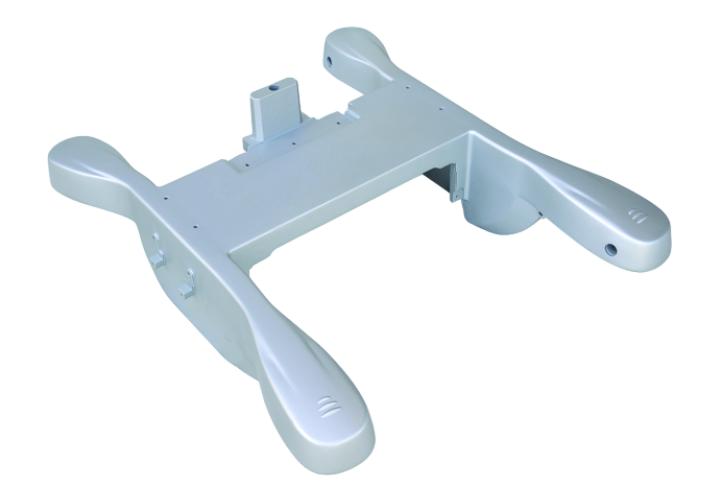
One of the primary benefits of zinc alloy die casting is its ability to produce complex geometries with high precision. The process allows for tight tolerances, often within ±0.01 mm, making it an ideal choice for components that require exact specifications. Additionally, zinc alloys such as Zamak exhibit excellent fluidity, enabling the casting of fine details and thin walls that are difficult to achieve with other materials.
Another significant advantage of zinc alloy die casting is the material's strength and durability. Zinc alloys possess a high strength-to-weight ratio, making them suitable for applications that demand robust yet lightweight components. Furthermore, the corrosion resistance of zinc enhances the longevity of the cast products, reducing maintenance and replacement costs.
In terms of the die casting process itself, it typically involves a few key steps. First, the zinc alloy is melted in a furnace, and once at the appropriate temperature, it is injected into a pre-made steel mold under high pressure. This rapid cooling process allows the metal to solidify quickly, resulting in a finished product that can often be removed from the mold in mere seconds. The efficiency of this process contributes to high production rates, making it a cost-effective solution for manufacturers.
Zinc alloy die casting also supports secondary operations such as machining, plating, and finishing. These additional processes can enhance the aesthetic appeal and functionality of the final product. For instance, components can be powder-coated or plated with other metals to improve their appearance and protection against environmental factors.
Moreover, the sustainability aspect of zinc alloy die casting cannot be overlooked. Zinc is a highly recyclable material, and using it in die casting can significantly reduce waste. Manufacturers can melt down scrap from the production process and reuse it, contributing to a more sustainable manufacturing cycle.
In summary, zinc alloy die casting is a highly effective method for producing high-quality, precision components. Its benefits include the ability to create complex shapes with tight tolerances, strong and durable parts, a quick production turnaround, and the potential for sustainable practices. As industries continue to evolve, understanding the nuances of zinc alloy die casting will be essential for professionals seeking to leverage its advantages in their manufacturing processes.
zinc alloy die casting
30
2026-09
The Art of Crafting Durable Aluminum Casts for Industrial Applications
27
2026-09
The Essential Guide to Die Casting: Techniques, Applications, and Benefits
24
2026-09
How to Stay Ahead in Mold Forging: Insights for Manufacturers
21
2026-09
The Essential Guide to Forging Molds: Understanding Their Importance in Manufacturing
18
2026-09
Zinc Die Casting Parts: A Premier Cost-Effective Solution for Customized Manufacturing
15
2026-09
The Intricacies of Zinc Alloy Die Casting: A Comprehensive Overview
12
2026-09
The Art of Creating Intricate Designs Through Aluminum Prototype Casting
GM Diecasting Technology Co.,Limited.
Add:Building 1-5, Chongke Road, Shipai Town, Dongguan City, Guangdong Province
Email:henry@gmdiecastingtech.com
Email:lily@gmdiecastingtech.com
Tel:+8613680864695