



08
2024
-
09
Exploring the Benefits and Applications of Zinc Alloy Molds in Manufacturing
Author:
One of the most significant advantages of zinc alloy molds is their excellent thermal conductivity. This property allows for efficient heat transfer during the molding process, which leads to quicker cycle times and improved overall productivity. Additionally, zinc alloy molds exhibit superior dimensional stability, which means they maintain their shape and size under varying temperatures and pressures. This stability is crucial for producing high-quality parts with precise tolerances.
Another key benefit of zinc alloy molds is their resistance to wear and corrosion. The inherent strength of zinc alloys helps them withstand the stresses of multiple production cycles, resulting in longer mold life and reduced maintenance costs. This durability is particularly advantageous in high-volume manufacturing settings where molds are subjected to continuous use.
Zinc alloy molds are also lightweight, which can contribute to easier handling during the manufacturing process. Their lower weight compared to other metal molds can lead to reduced energy consumption during transportation and setup, thus boosting operational efficiency. Moreover, the ease of machining these molds allows for precise customization and quick modifications when necessary, which is vital in meeting the ever-evolving needs of the market.
In terms of applications, zinc alloy molds are widely used in producing complex shapes and intricate designs, making them ideal for various industries, including automotive, electronics, and consumer goods. They are particularly effective in creating parts that require fine details and smooth finishes, such as housings, brackets, and components for electronic devices.
It's also worth noting that zinc alloy molds can be manufactured using various techniques, such as die casting and CNC machining. This versatility ensures that manufacturers can choose the best method that aligns with their production goals and capabilities.
In conclusion, the benefits of using zinc alloy molds in manufacturing and machining processes are numerous. From their excellent thermal properties and durability to their lightweight nature and versatility in applications, these molds play a crucial role in enhancing production efficiency and product quality. As industries continue to advance, the demand for innovative materials like zinc alloy will likely grow, making it a staple in mold manufacturing. Understanding and leveraging the advantages of zinc alloy molds can significantly contribute to a manufacturing operation's success and competitiveness in the market.
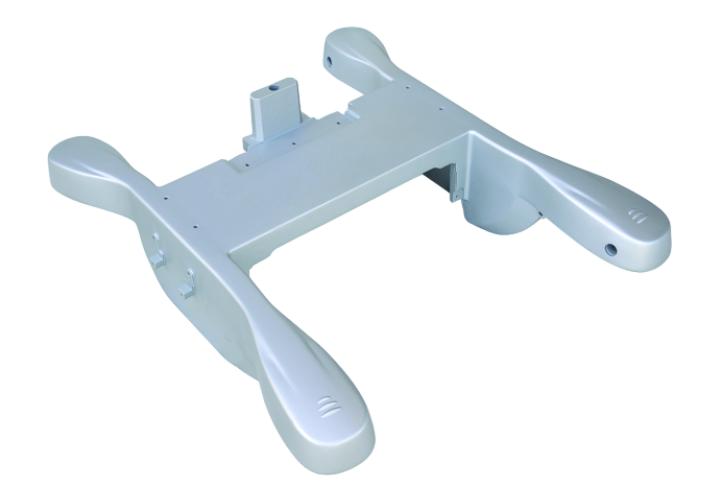
Zinc alloy mold
30
2026-09
The Art of Crafting Durable Aluminum Casts for Industrial Applications
27
2026-09
The Essential Guide to Die Casting: Techniques, Applications, and Benefits
24
2026-09
How to Stay Ahead in Mold Forging: Insights for Manufacturers
21
2026-09
The Essential Guide to Forging Molds: Understanding Their Importance in Manufacturing
18
2026-09
Zinc Die Casting Parts: A Premier Cost-Effective Solution for Customized Manufacturing
15
2026-09
The Intricacies of Zinc Alloy Die Casting: A Comprehensive Overview
12
2026-09
The Art of Creating Intricate Designs Through Aluminum Prototype Casting
GM Diecasting Technology Co.,Limited.
Add:Building 1-5, Chongke Road, Shipai Town, Dongguan City, Guangdong Province
Email:henry@gmdiecastingtech.com
Email:lily@gmdiecastingtech.com
Tel:+8613680864695