



03
2024
-
10
Exploring the Benefits of customized Zinc Die Casting Parts in Machinery Manufacturing
Author:
Exploring the Benefits of Zinc Die Casting Parts in Machinery Manufacturing
Table of Contents
- 1. Introduction to Zinc Die Casting
- 2. What is Zinc Die Casting?
- 3. Advantages of Zinc Die Casting in Machinery Manufacturing
- 4. Applications of Zinc Die Casting in Machinery Manufacturing
- 5. Environmental Impact of Zinc Die Casting
- 6. Choosing the Right Zinc Die Casting Partner
- 7. Frequently Asked Questions
- 8. Conclusion
1. Introduction to Zinc Die Casting
Zinc die casting has emerged as a pivotal technology in the machinery manufacturing sector. The process involves the injection of molten zinc into a mold under high pressure, resulting in intricate and highly detailed components. Its unique properties make zinc die casting an attractive option for manufacturers looking to enhance product performance and reduce costs. In this article, we delve into the numerous benefits that zinc die casting parts bring to the machinery manufacturing industry.
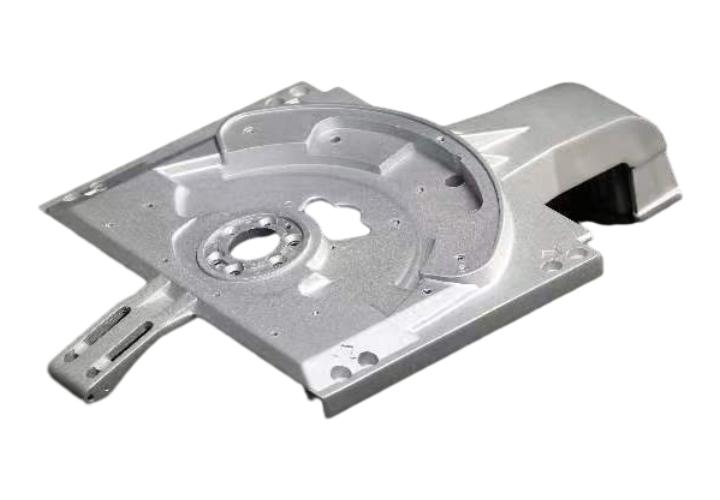
2. What is Zinc Die Casting?
Zinc die casting is a manufacturing process that utilizes zinc alloys to create metal parts with precise dimensions and complex shapes. During this process, molten zinc is injected into a steel mold, where it cools and solidifies to form the desired part. This technique is renowned for producing high-quality components that exhibit excellent mechanical properties, making it a preferred choice for various applications in the machinery sector.
3. Advantages of Zinc Die Casting in Machinery Manufacturing
Zinc die casting offers several advantages that contribute to its popularity in machinery manufacturing. These benefits include durability, precision, cost-effectiveness, and design flexibility.
3.1 Durability and Strength
One of the most notable benefits of zinc die casting is the exceptional durability and strength of the resulting parts. Zinc alloys possess excellent mechanical properties, including resistance to wear and corrosion. This makes them ideal for components that experience high stress and harsh environmental conditions. As a result, machinery manufacturers can rely on zinc die casting parts to maintain performance over extended periods, reducing the need for frequent replacements.
3.2 Precision Engineering
Precision is crucial in machinery manufacturing, and zinc die casting excels in this regard. The high-pressure injection process ensures that parts are produced with tight tolerances and intricate details. This level of precision reduces the need for secondary machining processes, leading to a more streamlined production workflow. Manufacturers can achieve complex geometries and fine details that enhance the overall functionality of their machinery.
3.3 Cost-Effectiveness
Zinc die casting is a cost-effective manufacturing solution due to its efficiency and speed. The ability to produce large quantities of parts in a short timeframe reduces labor and production costs significantly. Additionally, the excellent recyclability of zinc means that waste can be minimized, further contributing to cost savings. For manufacturers, this translates to a higher return on investment (ROI) and improved competitiveness in the marketplace.
3.4 Design Flexibility
The versatility of zinc die casting allows for a wide range of design options. Manufacturers can create complex shapes, intricate features, and thin-walled components without compromising structural integrity. This design flexibility enables engineers to innovate and optimize their machinery designs, unlocking new possibilities for enhanced performance and functionality.
4. Applications of Zinc Die Casting in Machinery Manufacturing
Zinc die casting finds applications in various sectors within machinery manufacturing. Some notable uses include:
- **Automotive Components**: Zinc die casting is commonly employed in the production of automotive parts such as engine blocks, transmission housings, and brackets. The lightweight nature of zinc components contributes to fuel efficiency and overall vehicle performance.
- **Aerospace Parts**: The aerospace industry benefits from zinc die casting due to its stringent requirements for weight reduction without sacrificing strength. Zinc alloys are used in various components, including structural parts and housings.
- **Industrial Equipment**: Machinery used in industrial applications often relies on zinc die cast parts for durability and reliability. Components such as gears, housings, and connectors are commonly produced using this method, ensuring long-lasting performance in demanding environments.
- **Electronics Enclosures**: In the electronics sector, zinc die casting is utilized to create protective enclosures for sensitive components. The excellent electromagnetic shielding properties of zinc contribute to improved device performance and reliability.
5. Environmental Impact of Zinc Die Casting
Sustainability is a growing concern in manufacturing, and zinc die casting addresses this issue effectively. The process generates minimal waste, and the recyclability of zinc ensures that materials can be reused, reducing the overall environmental footprint. Manufacturers that adopt zinc die casting practices contribute to a more sustainable production cycle, aligning with global efforts to reduce waste and conserve resources.
6. Choosing the Right Zinc Die Casting Partner
Selecting the right partner for zinc die casting is essential for ensuring quality and reliability in the manufacturing process. Key factors to consider include:
- **Experience and Expertise**: Look for a partner with a proven track record in zinc die casting and a deep understanding of the specific requirements of your industry.
- **Quality Control**: Ensure that the manufacturer has stringent quality control measures in place to guarantee the consistency and reliability of produced parts.
- **Technological Capabilities**: Choose a partner that utilizes advanced technology and equipment to maximize efficiency and precision in the die casting process.
- **Customization Options**: A good manufacturer should offer customization options to meet your specific design and performance requirements.
7. Frequently Asked Questions
What is the lifespan of zinc die casting parts?
Zinc die casting parts are designed for durability and can last many years, depending on the application and environmental conditions.
Can zinc die casting be used for high-volume production?
Yes, zinc die casting is particularly well-suited for high-volume production due to its efficiency and cost-effectiveness.
Are zinc die cast parts recyclable?
Absolutely, zinc is highly recyclable, making it an environmentally friendly choice for manufacturing.
What industries benefit from zinc die casting?
Industries such as automotive, aerospace, electronics, and industrial equipment all benefit significantly from zinc die casting.
How does zinc die casting compare to other metal casting methods?
Zinc die casting offers superior precision, shorter production cycles, and better mechanical properties compared to many other casting methods.
8. Conclusion
In conclusion, zinc die casting presents a multitude of benefits that are transforming machinery manufacturing. From its impressive durability and precision to its cost-effectiveness and design flexibility, the advantages of using zinc die casting parts are clear. As industries continue to seek innovative solutions for improving performance and sustainability, zinc die casting will undoubtedly play a critical role in shaping the future of manufacturing. Embracing this technology not only enhances product quality but also positions manufacturers for success in an increasingly competitive landscape.
zinc die casting parts china

03
2026-10
The Versatility and Advantages of Aluminum Alloys in Modern Applications
30
2026-09
The Art of Crafting Durable Aluminum Casts for Industrial Applications
27
2026-09
The Essential Guide to Die Casting: Techniques, Applications, and Benefits
24
2026-09
How to Stay Ahead in Mold Forging: Insights for Manufacturers
21
2026-09
The Essential Guide to Forging Molds: Understanding Their Importance in Manufacturing
18
2026-09
Zinc Die Casting Parts: A Premier Cost-Effective Solution for Customized Manufacturing
15
2026-09
The Intricacies of Zinc Alloy Die Casting: A Comprehensive Overview
GM Diecasting Technology Co.,Limited.
Add:Building 1-5, Chongke Road, Shipai Town, Dongguan City, Guangdong Province
Email:henry@gmdiecastingtech.com
Email:lily@gmdiecastingtech.com
Tel:+8613680864695