



04
2024
-
10
Understanding best Zinc Die Casting Parts: A Comprehensive Overview for Professionals
Author:
Zinc die casting is a highly efficient manufacturing process that involves injecting molten zinc into a mold to create intricate metal parts. This technique is increasingly popular in China, known for its robust manufacturing capabilities and cost-effective production methods. As a professional in the manufacturing and machining industry, understanding the nuances of zinc die casting parts can be crucial for optimizing design and production efficiency.
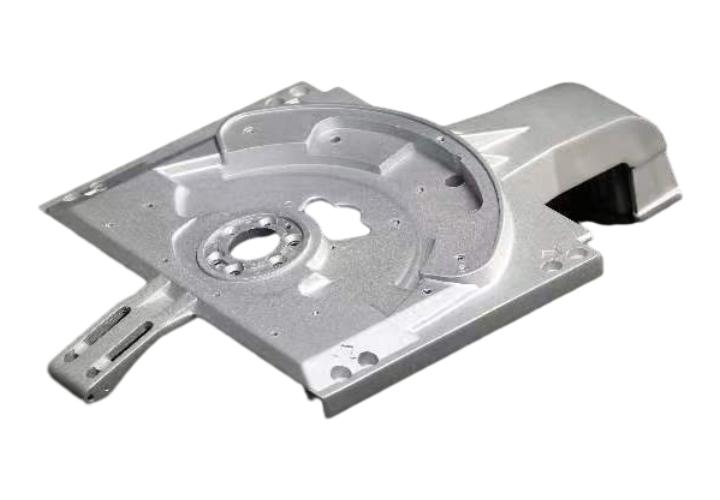
One of the primary advantages of zinc die casting is its ability to produce complex shapes with high precision. The process allows for tight tolerances, which is essential when creating parts that fit into larger assemblies. With its excellent dimensional stability, zinc die casting parts retain their shape even under significant stress, making them ideal for various applications in mechanical hardware and machinery.
Moreover, zinc itself offers a range of beneficial properties. It is lightweight yet strong, making it suitable for applications where weight reduction is crucial without compromising on strength. Additionally, zinc has excellent corrosion resistance, which enhances the durability of the parts produced. This characteristic is particularly advantageous in environments exposed to moisture and environmental factors, as it extends the lifespan of the components.
In China, the production of zinc die casting parts has evolved significantly, with manufacturers employing advanced technologies and stringent quality control measures. The use of computer-aided design (CAD) software allows engineers to create precise models before production begins, minimizing errors and enhancing efficiency. Furthermore, modern die casting machines enable rapid production cycles, ensuring that parts can be produced at scale without sacrificing quality.
The versatility of zinc die casting parts means they can be used in a wide array of industries, including automotive, electronics, and consumer goods. Their applications range from housing for electronic devices to structural components in automotive assemblies, demonstrating the adaptability of this manufacturing method.
As the demand for high-quality, precision-engineered components continues to rise, zinc die casting parts remain a vital player in meeting industry needs. For professionals in the machinery and mechanical hardware sectors, understanding the benefits and applications of zinc die casting can lead to more informed decisions in sourcing and production strategies.
In conclusion, zinc die casting parts produced in China represent a convergence of innovation, efficiency, and quality. As the industry evolves, staying abreast of these developments is essential for maintaining a competitive edge in the dynamic landscape of mechanical hardware manufacturing. Embracing the advantages of zinc die casting can provide a pathway to superior product performance and enhanced market opportunities.
zinc die casting parts china
30
2026-09
The Art of Crafting Durable Aluminum Casts for Industrial Applications
27
2026-09
The Essential Guide to Die Casting: Techniques, Applications, and Benefits
24
2026-09
How to Stay Ahead in Mold Forging: Insights for Manufacturers
21
2026-09
The Essential Guide to Forging Molds: Understanding Their Importance in Manufacturing
18
2026-09
Zinc Die Casting Parts: A Premier Cost-Effective Solution for Customized Manufacturing
15
2026-09
The Intricacies of Zinc Alloy Die Casting: A Comprehensive Overview
12
2026-09
The Art of Creating Intricate Designs Through Aluminum Prototype Casting
GM Diecasting Technology Co.,Limited.
Add:Building 1-5, Chongke Road, Shipai Town, Dongguan City, Guangdong Province
Email:henry@gmdiecastingtech.com
Email:lily@gmdiecastingtech.com
Tel:+8613680864695