



06
2024
-
12
Key points for making Zinc alloy mold china
Author:
The production of Zinc alloy mold needs to pay attention to multiple key points to ensure the quality and performance of the mold.
First of all, design is the key first step. When designing the mold, the shape, size and structural requirements of the product should be fully considered, and the mold cavity and runner and other parts should be accurately planned to ensure the accuracy and efficiency of molding.
The selection of materials is crucial. High-quality zinc alloy materials should be selected to ensure that they have good fluidity, strength and corrosion resistance, laying the foundation for the excellent performance of the mold.
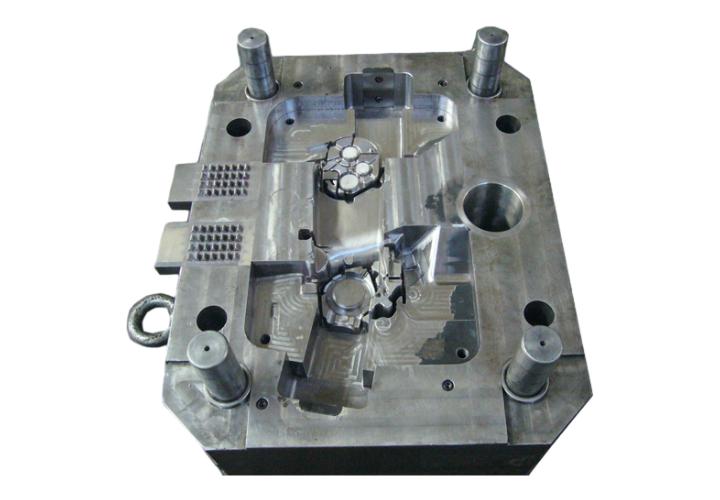
In the mold making process, the processing technology should be fine. Advanced processing equipment and technology are used to ensure that the dimensional accuracy and surface roughness of each component of the mold meet the requirements. For key parts such as the cavity, it is necessary to carefully carve to avoid defects.
The heat treatment link of Zinc alloy mold should not be ignored. Through proper heat treatment, the organizational structure of zinc alloy can be improved, the hardness, wear resistance and toughness of the mold can be improved, and its service life can be extended.
The design of the pouring system in the production process should be reasonable. A good pouring system can ensure that the zinc alloy liquid fills the cavity evenly and quickly, and reduce the generation of defects such as pores and shrinkage cavities.
At the same time, attention should be paid to the cooling system design of Zinc alloy mold. Reasonable cooling layout can speed up the cooling speed of products, improve production efficiency, and help ensure the quality of products.
In addition, the assembly process of the mold should be rigorous. Ensure that all parts fit tightly without looseness and gaps to ensure the stability and reliability of the mold during use.
Finally, after the production of Zinc alloy mold is completed, strict testing and debugging should be carried out. Comprehensively check the size, surface quality, performance, etc. of the mold, and adjust and correct problems in time to ensure that the mold meets production requirements.
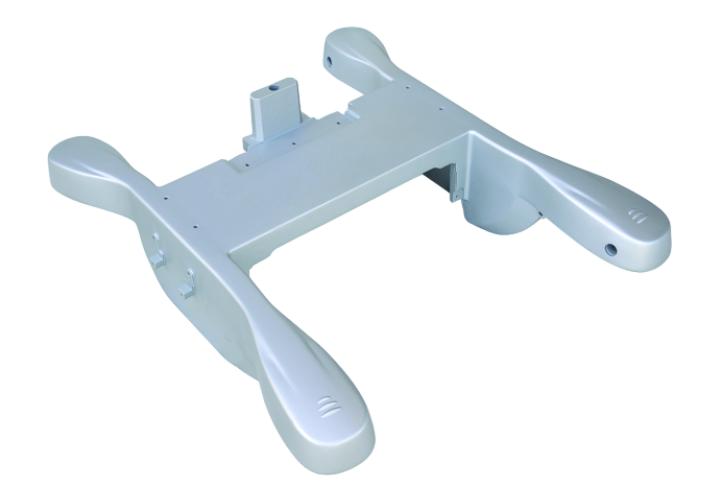
Zinc alloy mold
30
2026-09
The Art of Crafting Durable Aluminum Casts for Industrial Applications
27
2026-09
The Essential Guide to Die Casting: Techniques, Applications, and Benefits
24
2026-09
How to Stay Ahead in Mold Forging: Insights for Manufacturers
21
2026-09
The Essential Guide to Forging Molds: Understanding Their Importance in Manufacturing
18
2026-09
Zinc Die Casting Parts: A Premier Cost-Effective Solution for Customized Manufacturing
15
2026-09
The Intricacies of Zinc Alloy Die Casting: A Comprehensive Overview
12
2026-09
The Art of Creating Intricate Designs Through Aluminum Prototype Casting
GM Diecasting Technology Co.,Limited.
Add:Building 1-5, Chongke Road, Shipai Town, Dongguan City, Guangdong Province
Email:henry@gmdiecastingtech.com
Email:lily@gmdiecastingtech.com
Tel:+8613680864695