03

2024

-

12

Material properties of best Zinc alloy mold

Author:


Zinc alloy mold is a material widely used in the manufacturing industry with many unique material properties.

First of all, zinc alloy has good fluidity and casting properties. This makes it easy to fill the mold cavity, thereby manufacturing products with complex shapes and rich details, and can ensure that the products have high dimensional accuracy.
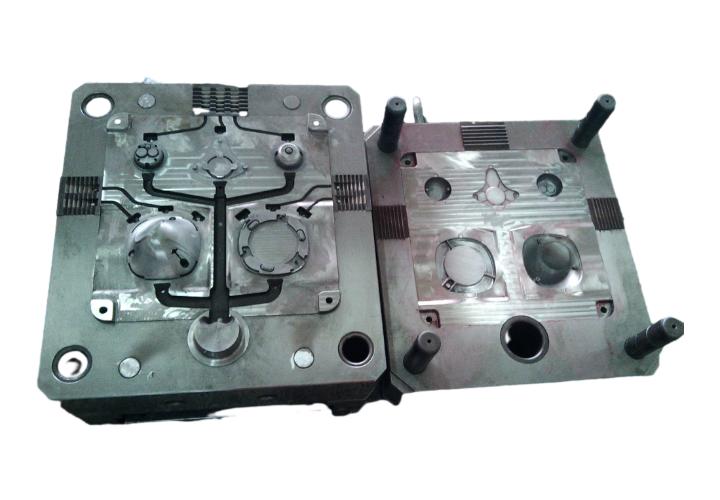
Zinc alloy mold

Its hardness is moderate, which can ensure that the mold has a certain wear resistance and pressure resistance during use, but it is not too hard to be difficult to process and repair. This provides convenience for the manufacture and subsequent maintenance of the mold.

Zinc alloy mold also has good corrosion resistance. In some conventional environments, it can maintain relatively stable performance and is not easily affected by corrosion, which helps to extend the service life of the mold.

In terms of mechanical properties, zinc alloy has certain strength and toughness. It can withstand a certain amount of pressure and impact, and is not easy to deform or damage under normal conditions of use, ensuring the stability and reliability of production.

Zinc alloy mold

09

2026-10

Understanding Zinc Alloy Molds: A Key Component in Precision Manufacturing

Zinc alloy molds are increasingly significant in the realm of precision manufacturing, particularly within the mechanical hardware processing and mold fabrication sectors. These molds are crafted from zinc alloys, which are known for their excellent properties such as durability, resistance to corrosion, and good thermal conductivity. The combination of these characteristics makes zinc alloy molds

06

2026-10

Innovative Uses of Zinc Alloy in Sustainable Energy Solutions

Innovative Uses of Zinc Alloy in Sustainable Energy Solutions Introduction to Zinc Alloy and Its Importance Zinc alloy, a blend of zinc with other metals such as aluminum, copper, and magnesium, has garnered significant attention in various industries due to its superior properties. Its lightweight nature, corrosion resistance, and excellent mechanical strength make it an ideal choice for applicat

03

2026-10

The Versatility and Advantages of Aluminum Alloys in Modern Applications

Aluminum alloys are a pivotal component in the metallurgy and energy sectors. Due to their combination of lightweight properties, strength, and corrosion resistance, these alloys have become a favored material in numerous applications. Understanding aluminum alloys is essential for industries looking to optimize their manufacturing processes and product performance. Aluminum alloys are categorized

30

2026-09

The Art of Crafting Durable Aluminum Casts for Industrial Applications

The Art of Crafting Durable Aluminum Casts for Industrial Applications Aluminum casting has emerged as a crucial technique in the manufacturing sector, particularly for creating components that require both strength and lightweight properties. Understanding the nuances of this process is vital for industries ranging from automotive to aerospace. This article explores the multifaceted art of alumin

27

2026-09

The Essential Guide to Die Casting: Techniques, Applications, and Benefits

Die casting is a highly efficient metal casting process that involves forcing molten metal into a mold cavity under high pressure. This method is widely used in various industries due to its ability to produce complex shapes with high dimensional accuracy and a smooth surface finish. The die casting process is particularly significant in the manufacturing of machinery components, automotive parts,

24

2026-09

How to Stay Ahead in Mold Forging: Insights for Manufacturers

How to Stay Ahead in Mold Forging: Insights for Manufacturers Table of Contents Introduction to Mold Forging Understanding Mold Forging Processes Latest Technologies in Mold Forging The Importance of Material Selection Optimizing Manufacturing Processes for Efficiency Quality Control and Assurance in Mold Forging Sustainability in Mold Forging Practic

21

2026-09

The Essential Guide to Forging Molds: Understanding Their Importance in Manufacturing

Forging molds are specialized tools used in the forging process, which involves shaping metal through compressive forces. This method is prevalent in industries that require high-strength components, such as automotive, aerospace, and construction. The use of forging molds allows manufacturers to create precise and durable parts that meet stringent specifications. One of the key advantages of usin

18

2026-09

Zinc Die Casting Parts: A Premier Cost-Effective Solution for Customized Manufacturing

Zinc Die Casting Parts: A Premier Cost-Effective Solution for Customized Manufacturing Table of Contents 1. Introduction to Zinc Die Casting 2. Benefits of Zinc Die Casting Parts in Custom Manufacturing 2.1 Cost Efficiency 2.2 High-Quality Finishes 2.3 Design Freedom and Complexity 2.4 Environmental Impact