



07
2024
-
11
Maximizing Output: Effective Strategies for Optimizing Die Casting Processes
Author:
Maximizing Output: Effective Strategies for Optimizing Die Casting Processes
Introduction to Die Casting Optimization
In the fast-paced world of manufacturing, particularly in sectors that rely heavily on metal components, die casting stands out as a pivotal process. This technique involves forcing molten metal into a mold cavity, resulting in precise and intricate designs. To maintain a competitive edge and maximize output, optimizing die casting processes is paramount. In this article, we will delve into various strategies that can enhance the efficiency and effectiveness of your die casting operations.
Table of Contents
1. Understanding the Die Casting Process
2. Importance of Process Optimization in Die Casting
3. Strategies for Enhancing Die Casting Efficiency
3.1. Selecting the Right Material for Die Casting
3.2. Optimizing Mold Design
3.3. Adjusting Process Parameters
3.4. Implementing Automation and Technology
4. Quality Control Measures
5. Training and Skill Development
6. Environmental Considerations in Die Casting
7. Case Studies of Successful Die Casting Optimization
8. FAQs about Die Casting Optimization
9. Conclusion
1. Understanding the Die Casting Process
To effectively optimize die casting processes, we must first understand the fundamental principles underlying this manufacturing method. The die casting process can be categorized into two main types: hot chamber and cold chamber die casting. Each method has its advantages and is suited for different materials and applications.
In **hot chamber die casting**, molten metal is stored in a chamber close to the die, which allows for rapid production cycles. This method is often used for zinc and lead alloys. Conversely, **cold chamber die casting** involves pouring molten metal into a separate chamber before injecting it into the die. This technique is ideal for aluminum and magnesium alloys, where higher melting points are required.
Understanding these differences is crucial as it affects the choice of machinery, molds, and materials, ultimately influencing the overall efficiency and quality of the finished product.
2. Importance of Process Optimization in Die Casting
Optimizing die casting processes is essential for several reasons:
- **Cost Efficiency**: Efficient processes reduce material waste, labor costs, and energy consumption.
- **Quality Assurance**: Better optimization techniques lead to a consistent quality of products, reducing defects and rework.
- **Increased Production Rates**: Streamlining operations allows manufacturers to increase output without compromising quality.
- **Sustainability**: Optimized processes contribute to reduced environmental impact through minimized waste and energy use.
For manufacturers aiming to thrive in a competitive market, focusing on these optimization strategies is not just beneficial; it is essential for survival.
3. Strategies for Enhancing Die Casting Efficiency
3.1. Selecting the Right Material for Die Casting
The choice of material is foundational to the die casting process. **Aluminum**, **zinc**, and **magnesium** are popular materials, each offering unique properties that can affect the final product. For instance, aluminum provides excellent corrosion resistance and is lightweight, making it ideal for automotive applications. Zinc, on the other hand, is known for its outstanding casting characteristics and surface finish.
Selecting the appropriate alloy based on the intended application is crucial. This decision impacts not only the mechanical properties of the final product but also the casting process itself, including temperature control and cycle times.
3.2. Optimizing Mold Design
Mold design plays a significant role in die casting efficiency. A well-thought-out mold can facilitate better metal flow, reduce cooling time, and enhance the overall quality of the cast part.
- **Cooling Channels**: Incorporating efficient cooling channels in the mold design ensures uniform temperature distribution, which minimizes defects such as warping or internal stress.
- **Ventilation**: Proper venting mechanisms allow for the escape of gases during the injection process, preventing air entrapment that can lead to defects.
- **Surface Finish**: The surface texture of the mold can influence the quality of the cast. A smoother finish on the mold reduces friction, leading to easier ejection of the final product.
Investing in advanced mold design techniques can yield significant returns in terms of improved production rates and reduced scrap rates.
3.3. Adjusting Process Parameters
Fine-tuning process parameters is vital for optimizing die casting. Key parameters to consider include:
- **Injection Speed**: Adjusting the speed at which metal is injected into the mold can affect the fill time and the overall quality of the cast.
- **Die Temperature**: Maintaining optimal die temperatures ensures better metal flow and reduces the risk of defects such as porosity.
- **Pouring Temperature**: The temperature of the molten metal at the point of injection can influence the mechanical properties of the finished product.
Regularly monitoring and adjusting these parameters can lead to significant improvements in production efficiency and product quality.
3.4. Implementing Automation and Technology
The integration of automation and advanced technologies can drastically enhance die casting processes.
- **Robotics**: Utilizing robotic arms for tasks such as mold handling and part ejection can increase speed and precision while reducing the risk of human error.
- **Smart Sensors**: Implementing IoT devices and sensors can monitor process parameters in real-time, allowing for immediate adjustments and maintaining optimal conditions.
- **Data Analytics**: Leveraging data analytics to analyze production trends can help in identifying bottlenecks and inefficiencies, paving the way for continuous improvement.
The adoption of these technologies can lead to significant gains in productivity and cost savings.
4. Quality Control Measures
Quality control is critical in die casting operations. Implementing stringent quality assurance measures can help detect defects early in the process, minimizing waste and ensuring that only the highest quality products reach the customer. Effective quality control strategies include:
- **Regular Inspections**: Conducting thorough inspections at each stage of production can help identify issues before they escalate.
- **Statistical Process Control (SPC)**: Employing SPC techniques helps in monitoring process variations and maintaining consistent quality.
- **Testing and Validation**: Performing physical tests on die-cast products to verify mechanical properties and compliance with specifications is essential.
By prioritizing quality control, manufacturers can ensure that their die casting processes meet industry standards and customer expectations.
5. Training and Skill Development
Investing in employee training and skill development is vital for optimizing die casting operations. Well-trained personnel are crucial for:
- **Operational Efficiency**: Knowledgeable employees can operate machinery more effectively, reducing downtime and improving output.
- **Problem-Solving**: Skilled workers are better equipped to identify and resolve issues quickly, minimizing disruptions in production.
- **Innovation**: Continuous training fosters an environment of innovation, encouraging employees to seek new methods and technologies that can enhance processes.
Establishing a robust training program is an essential component of a successful die casting operation.
6. Environmental Considerations in Die Casting
As industrial processes face increasing scrutiny regarding their environmental impact, optimizing die casting with a focus on sustainability is paramount. Strategies to enhance environmental performance include:
- **Waste Reduction**: Implementing practices to minimize scrap and rework not only benefits the bottom line but also reduces environmental impact.
- **Energy Efficiency**: Upgrading to energy-efficient machinery and optimizing heating and cooling processes can significantly lower energy consumption.
- **Recycling Materials**: Utilizing recycled materials where possible and establishing systems for the recovery of scrap metal contribute to a more sustainable production process.
By adopting environmentally friendly practices, die casting operations can reduce their carbon footprint while also appealing to a growing segment of eco-conscious consumers.
7. Case Studies of Successful Die Casting Optimization
Examining successful case studies can provide valuable insights into effective die casting optimization practices. Here are a few notable examples:
- **Automotive Industry**: A leading automotive manufacturer implemented advanced robotics in their die casting process. This resulted in a 30% increase in production efficiency and a significant reduction in labor costs.
- **Aerospace Component Manufacturer**: By investing in advanced mold technology and optimizing their cooling processes, a company in the aerospace sector improved product quality and reduced scrap rates by 25%.
- **Consumer Electronics**: A consumer electronics manufacturer utilized data analytics to identify inefficiencies in their die casting operations, leading to a 15% increase in throughput and enhanced product quality.
These examples illustrate the tangible benefits that can be achieved through targeted optimization strategies in die casting.
8. FAQs about Die Casting Optimization
What is die casting?
Die casting is a manufacturing process where molten metal is injected into a mold to create precise and complex parts.
Why is die casting optimization important?
Optimizing die casting processes enhances efficiency, improves product quality, reduces costs, and minimizes environmental impact.
What materials are commonly used in die casting?
Common materials include aluminum, zinc, magnesium, and copper alloys, each chosen based on the specific application and desired properties of the final product.
How can automation improve die casting processes?
Automation can increase production speed, enhance precision, reduce labor costs, and improve overall operational efficiency.
What role does quality control play in die casting?
Quality control ensures that the die-cast products meet industry standards and customer expectations by identifying defects early and minimizing waste.
9. Conclusion
Maximizing output in die casting processes is an ongoing challenge that requires a comprehensive approach. By understanding the intricacies of the die casting process, implementing strategic optimizations, and fostering a culture of continuous improvement, manufacturers can thrive in a competitive marketplace. From selecting the right materials and optimizing mold designs to embracing automation and stringent quality control measures, every step contributes to achieving optimal results. As the industry continues to evolve, staying informed and adaptable will be key to sustained success in die casting operations.
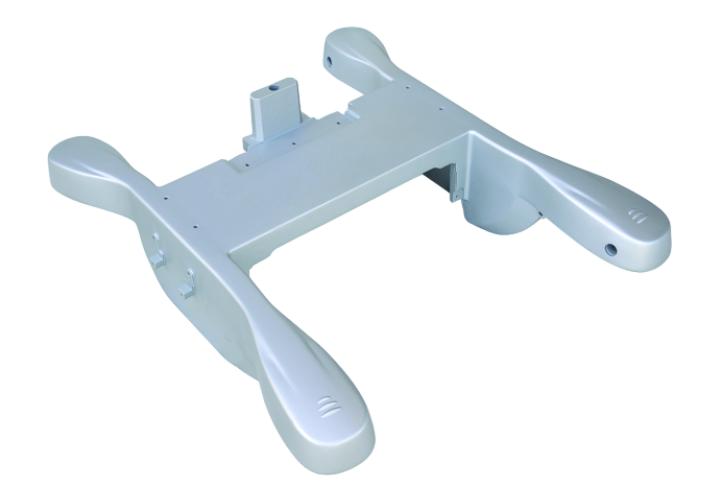
die casting machine
30
2026-09
The Art of Crafting Durable Aluminum Casts for Industrial Applications
27
2026-09
The Essential Guide to Die Casting: Techniques, Applications, and Benefits
24
2026-09
How to Stay Ahead in Mold Forging: Insights for Manufacturers
21
2026-09
The Essential Guide to Forging Molds: Understanding Their Importance in Manufacturing
18
2026-09
Zinc Die Casting Parts: A Premier Cost-Effective Solution for Customized Manufacturing
15
2026-09
The Intricacies of Zinc Alloy Die Casting: A Comprehensive Overview
12
2026-09
The Art of Creating Intricate Designs Through Aluminum Prototype Casting
GM Diecasting Technology Co.,Limited.
Add:Building 1-5, Chongke Road, Shipai Town, Dongguan City, Guangdong Province
Email:henry@gmdiecastingtech.com
Email:lily@gmdiecastingtech.com
Tel:+8613680864695