



08
2024
-
11
Understanding Die Casting Machines: A Comprehensive Guide
Author:
The die casting process involves injecting molten metal into a mold at high pressure. This technique allows for the production of components that are not only complex in design but also exhibit excellent dimensional accuracy. The primary metals used in die casting include aluminum, zinc, and magnesium, each offering unique properties that suit different applications.
One of the key advantages of die casting machines is their ability to produce large volumes of parts quickly and efficiently. Once the molds are created, the process can be repeated multiple times with minimal intervention, significantly reducing production costs and time. Additionally, die casting allows for a high level of automation, which streamlines operations and enhances productivity.
Moreover, die casting machines are designed to handle various tasks, from simple shapes to highly detailed components. They come in two main types: hot chamber and cold chamber machines. Hot chamber machines are ideal for metals with low melting points, as they keep the metal in a molten state, reducing cycle times. In contrast, cold chamber machines are better suited for metals with higher melting points, requiring the molten metal to be poured into the chamber before injection.
Another significant benefit of using die casting machines is the excellent surface finish that the process provides. Parts produced through die casting often require little to no additional machining, which can save both time and resources. This characteristic is particularly valuable in industries where aesthetics and precision are paramount.
However, it's essential to consider some challenges associated with die casting. For instance, the initial costs for creating molds can be high, and the process may not be suitable for small production runs due to these costs. Additionally, the complexity of the mold design can significantly impact production efficiency and quality.
In summary, die casting machines are a vital component of the manufacturing landscape, offering precision, efficiency, and versatility. Understanding the workings and benefits of these machines can help businesses make informed decisions regarding their production processes. Whether you are exploring options for mass production or looking to enhance the quality of your metal components, die casting technology stands out as a valuable method in the realm of mechanical hardware.
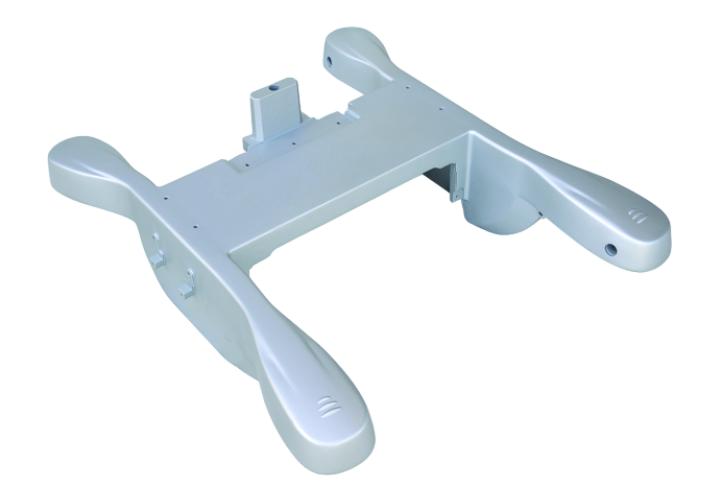
die casting machine
30
2026-09
The Art of Crafting Durable Aluminum Casts for Industrial Applications
27
2026-09
The Essential Guide to Die Casting: Techniques, Applications, and Benefits
24
2026-09
How to Stay Ahead in Mold Forging: Insights for Manufacturers
21
2026-09
The Essential Guide to Forging Molds: Understanding Their Importance in Manufacturing
18
2026-09
Zinc Die Casting Parts: A Premier Cost-Effective Solution for Customized Manufacturing
15
2026-09
The Intricacies of Zinc Alloy Die Casting: A Comprehensive Overview
12
2026-09
The Art of Creating Intricate Designs Through Aluminum Prototype Casting
GM Diecasting Technology Co.,Limited.
Add:Building 1-5, Chongke Road, Shipai Town, Dongguan City, Guangdong Province
Email:henry@gmdiecastingtech.com
Email:lily@gmdiecastingtech.com
Tel:+8613680864695