



04
2025
-
01
Methods to improve the precision of quality zinc die casting parts
Author:
The precision of quality zinc die casting parts is crucial for its application in various fields. Here are some effective methods to improve the precision of quality zinc die casting parts.
Optimizing mold design is the first step. The cavity size and shape of the mold should be precisely designed to ensure a high degree of fit with the requirements of the final product. Using advanced computer-aided design and simulation technology, the structure and process of the mold are carefully analyzed and optimized to reduce possible errors.
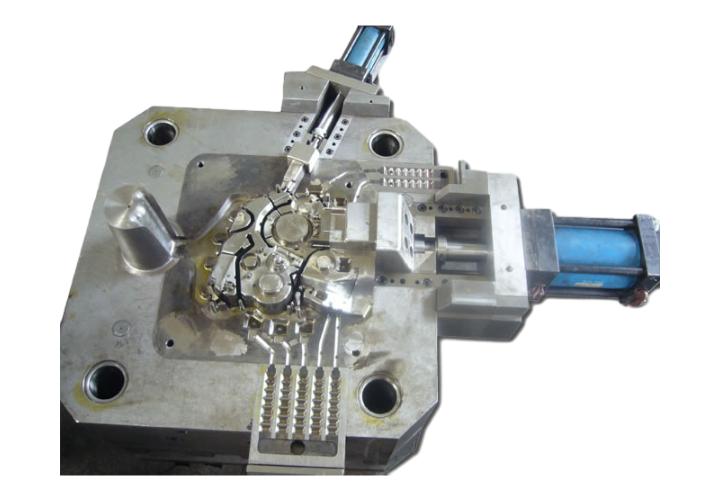
Strictly control the die-casting process parameters. Parameters such as pressure, speed, temperature and time in the die-casting process need to be precisely controlled. Through continuous testing and optimization, find the most suitable parameter combination to achieve a good filling effect and solidification process, reduce shrinkage, deformation and other problems, and thus improve precision.
Select high-quality raw materials. High-quality zinc alloys have better fluidity and solidification characteristics, which can improve the molding quality and precision of quality zinc die casting parts. Strictly inspect and screen the raw materials to ensure that they meet high standards.
Strengthen monitoring and control during the production process. Use advanced measuring instruments and technologies to monitor the size and shape of castings in real time, detect deviations in time and make adjustments. At the same time, a strict quality control system is established to ensure that each process meets the precision standards.
Pay attention to the maintenance and care of the mold. Regularly inspect, repair and maintain the mold to ensure that the precision and performance of the mold are always in good condition. Replace the mold parts that are severely worn in time to prevent the casting accuracy from decreasing due to mold problems.
Perform subsequent precision processing on quality zinc die casting parts. For some products with extremely high precision requirements, their precision can be further improved through subsequent processes such as machining and grinding to meet demanding use requirements.
quality zinc die casting parts
Previous Page
Previous Page
30
2026-09
The Art of Crafting Durable Aluminum Casts for Industrial Applications
27
2026-09
The Essential Guide to Die Casting: Techniques, Applications, and Benefits
24
2026-09
How to Stay Ahead in Mold Forging: Insights for Manufacturers
21
2026-09
The Essential Guide to Forging Molds: Understanding Their Importance in Manufacturing
18
2026-09
Zinc Die Casting Parts: A Premier Cost-Effective Solution for Customized Manufacturing
15
2026-09
The Intricacies of Zinc Alloy Die Casting: A Comprehensive Overview
12
2026-09
The Art of Creating Intricate Designs Through Aluminum Prototype Casting
GM Diecasting Technology Co.,Limited.
Add:Building 1-5, Chongke Road, Shipai Town, Dongguan City, Guangdong Province
Email:henry@gmdiecastingtech.com
Email:lily@gmdiecastingtech.com
Tel:+8613680864695