



30
2024
-
10
Best Mold Forging for Startups: Proven Strategies for Sustainable Success
Author:
Mold Forging for Startups: Proven Strategies for Sustainable Success
Table of Contents
1. Introduction to Mold Forging
2. Understanding the Market Landscape
3. Essential Equipment for Successful Mold Forging
4. Cost-Effective Techniques in Mold Forging
5. Technology Integration for Enhanced Efficiency
6. Workforce Development and Training
7. Quality Assurance in Mold Forging
8. Sustainable Practices in Mold Forging
9. Conclusion
10. Frequently Asked Questions (FAQs)
1. Introduction to Mold Forging
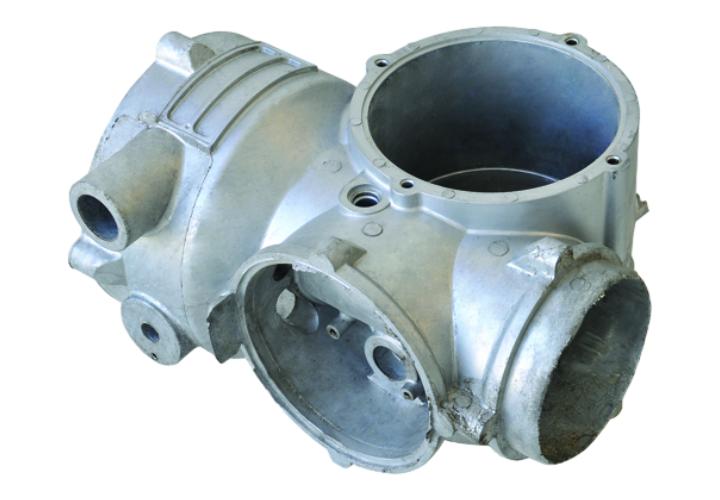
Mold forging is a pivotal process in the manufacturing sector, particularly for those aiming to produce high-quality components efficiently. For startups venturing into this industry, understanding the intricacies of mold forging is crucial. This article will guide you through various strategies that can pave the way for your startup's success in this competitive landscape.
2. Understanding the Market Landscape
The first step for any startup is to thoroughly analyze the market. Knowing your competitors, potential customers, and market demands will help you carve a niche for your business.
2.1 Analyzing Competitors
Conduct a detailed analysis of existing players in the mold forging market. Understand their strengths and weaknesses, business models, and market share. Utilize tools like SWOT analysis to identify opportunities you can leverage.
2.2 Identifying Target Customers
Define your target audience by assessing their needs and preferences. Are you focusing on automotive, aerospace, or consumer goods? Tailoring your services to meet specific industry requirements will enhance your appeal.
3. Essential Equipment for Successful Mold Forging
Investing in the right equipment is paramount for effective mold forging. The quality and capability of your machinery will directly impact the efficiency and quality of your production.
3.1 Types of Machinery
Consider acquiring machines such as hydraulic presses, CNC machines, and electric furnaces. Each piece of equipment should cater to the specific needs of your forging process.
3.2 Maintenance and Upkeep
Regular maintenance of your machinery is essential to prevent costly downtimes. Develop a routine maintenance schedule to ensure your equipment operates at peak performance.
4. Cost-Effective Techniques in Mold Forging
Managing costs while maintaining quality is a common challenge for startups in mold forging. Implementing cost-effective techniques can help maximize profitability.
4.1 Material Selection
Choosing the right materials is crucial for cost management. Evaluate various options based on cost, availability, and performance. Utilizing recycled materials can also provide significant savings.
4.2 Process Optimization
Optimize your forging processes by identifying bottlenecks and inefficiencies. Lean manufacturing principles can help streamline operations and reduce waste.
5. Technology Integration for Enhanced Efficiency
The integration of modern technology is vital for enhancing productivity and efficiency in mold forging.
5.1 Automation in Forging Processes
Automating certain processes can reduce labor costs and improve consistency. Evaluate which tasks can be automated without compromising quality.
5.2 Utilizing CAD/CAM Software
Computer-Aided Design (CAD) and Computer-Aided Manufacturing (CAM) software can significantly enhance design accuracy and manufacturing efficiency. Investing in these technologies will pay off in the long run.
6. Workforce Development and Training
A skilled workforce is the backbone of any successful mold forging operation. Investing in employee training and development is essential.
6.1 Training Programs
Implement comprehensive training programs that cover both technical skills and safety procedures. Regular workshops can also keep your team updated on industry trends and best practices.
6.2 Employee Retention Strategies
Create a positive work environment that encourages employee retention. Offering competitive salaries, benefits, and opportunities for growth can make your startup an attractive workplace.
7. Quality Assurance in Mold Forging
Maintaining high quality in your products is crucial for customer satisfaction and retention.
7.1 Implementing Quality Control Measures
Develop a robust quality control system that monitors every stage of the forging process. Regular inspections and testing will ensure your final products meet industry standards.
7.2 Certifications and Compliance
Achieving industry-specific certifications can enhance your credibility. Compliance with international quality standards such as ISO can set you apart from competitors.
8. Sustainable Practices in Mold Forging
In today’s environmentally-conscious market, sustainable practices can provide a competitive edge.
8.1 Eco-Friendly Materials
Consider sourcing eco-friendly materials for your products. This not only appeals to environmentally-conscious consumers but also can reduce waste.
8.2 Energy Efficiency Initiatives
Invest in energy-efficient machines and practices to reduce your carbon footprint. This can lead to significant cost savings and enhance your brand image.
9. Conclusion
Mold forging presents incredible opportunities for startups willing to invest time and resources into understanding and optimizing their business strategies. By following the strategies outlined in this guide, you can build a sustainable and successful mold forging business that not only meets customer demands but also excels in a competitive landscape.
10. Frequently Asked Questions (FAQs)
1. What is mold forging, and how does it differ from traditional forging?
Mold forging involves shaping metal using a mold, often allowing for more intricate designs compared to traditional forging methods.
2. What are the initial costs involved in starting a mold forging business?
Initial costs can vary widely depending on equipment, facilities, and workforce. A detailed business plan can help estimate these costs accurately.
3. How can I ensure the quality of my forged products?
Implementing strict quality control measures throughout the forging process will help maintain the quality of your products.
4. Are there specific certifications needed for mold forging businesses?
Certifications vary by industry but common ones include ISO 9001 for quality management systems and specific industry standards relevant to your target market.
5. How can technology improve my mold forging operations?
Technology can enhance efficiency through automation, improve design accuracy using CAD/CAM software, and streamline operations, ultimately leading to reduced costs and improved quality.
mold forging
30
2026-09
The Art of Crafting Durable Aluminum Casts for Industrial Applications
27
2026-09
The Essential Guide to Die Casting: Techniques, Applications, and Benefits
24
2026-09
How to Stay Ahead in Mold Forging: Insights for Manufacturers
21
2026-09
The Essential Guide to Forging Molds: Understanding Their Importance in Manufacturing
18
2026-09
Zinc Die Casting Parts: A Premier Cost-Effective Solution for Customized Manufacturing
15
2026-09
The Intricacies of Zinc Alloy Die Casting: A Comprehensive Overview
12
2026-09
The Art of Creating Intricate Designs Through Aluminum Prototype Casting
GM Diecasting Technology Co.,Limited.
Add:Building 1-5, Chongke Road, Shipai Town, Dongguan City, Guangdong Province
Email:henry@gmdiecastingtech.com
Email:lily@gmdiecastingtech.com
Tel:+8613680864695