



24
2024
-
12
Precautions for Zinc alloy mold customized
Author:
When carrying out Zinc alloy mold customized, there are many aspects that need special attention to ensure that high-quality and demand-compliant molds are finally obtained.
First, the specific specifications and requirements of the mold should be clarified. In-depth communication should be carried out with the mold manufacturer to accurately convey the required key information such as size, shape, precision, etc. to avoid errors caused by misunderstanding.
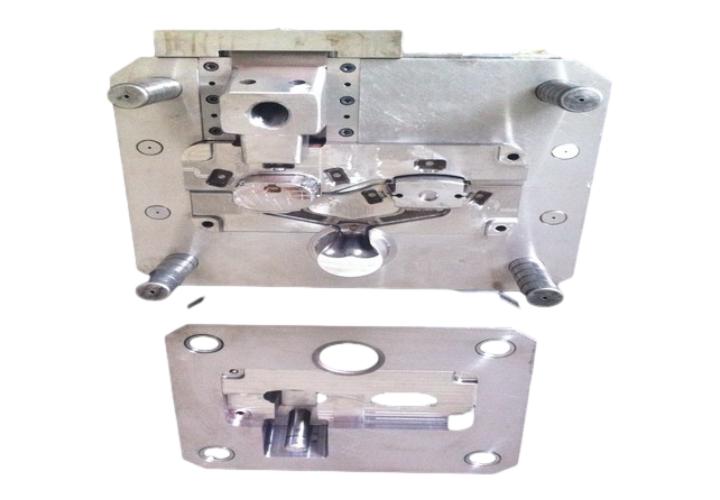
The selection of materials is crucial. Make sure to select high-quality zinc alloy materials, whose performance must meet the production requirements of the product, such as strength, wear resistance, corrosion resistance, etc. At the same time, understand the cost and supply stability of the material.
The rationality of the mold design directly affects the production efficiency and product quality. When designing, factors such as whether the layout of the gate and runner is reasonable, whether the cooling system of the mold can effectively control the temperature, and whether the demolding mechanism is smooth should be considered.
Processing technology is also a key link. Choose an experienced and skilled mold processing factory who can use appropriate processing methods and advanced equipment to ensure the precision and surface quality of the mold.
In the process of Zinc alloy mold customized, attention should be paid to quality inspection. Including strict inspection of the dimensional accuracy and surface roughness of the mold to ensure that it meets the standards.
Cost control should not be ignored. Under the premise of ensuring quality, the customization cost should be reduced as much as possible through optimizing design and reasonable material selection, but quality should not be sacrificed by excessive pursuit of low price.
Time management is equally important. Clarify the time period of Zinc alloy mold customized, maintain good communication with the manufacturer, ensure that the mold can be delivered on time, and do not affect the subsequent production plan.
Finally, a good after-sales service guarantee should be established. Once a problem occurs during use, the manufacturer's technical support and solutions can be obtained in time.
Zinc alloy mold customized
Previous Page
Previous Page

03
2026-10
The Versatility and Advantages of Aluminum Alloys in Modern Applications
30
2026-09
The Art of Crafting Durable Aluminum Casts for Industrial Applications
27
2026-09
The Essential Guide to Die Casting: Techniques, Applications, and Benefits
24
2026-09
How to Stay Ahead in Mold Forging: Insights for Manufacturers
21
2026-09
The Essential Guide to Forging Molds: Understanding Their Importance in Manufacturing
18
2026-09
Zinc Die Casting Parts: A Premier Cost-Effective Solution for Customized Manufacturing
15
2026-09
The Intricacies of Zinc Alloy Die Casting: A Comprehensive Overview
GM Diecasting Technology Co.,Limited.
Add:Building 1-5, Chongke Road, Shipai Town, Dongguan City, Guangdong Province
Email:henry@gmdiecastingtech.com
Email:lily@gmdiecastingtech.com
Tel:+8613680864695