



09
2024
-
11
Quality Assurance in Die Casting: Ensuring Excellence in Every Piece
Author:
Quality Assurance in Die Casting: Ensuring Excellence in Every Piece
Table of Contents
- 1. Introduction to Die Casting and Its Importance
- 2. Understanding Quality Assurance in Die Casting
- 3. Key Elements of Quality Assurance in Die Casting
- 4. Quality Assurance Methodologies in Die Casting
- 5. Testing Techniques for Die Cast Components
- 6. Challenges in Quality Assurance for Die Casting
- 7. Best Practices for Ensuring Quality in Die Casting
- 8. Case Studies: Successful Quality Assurance in Die Casting
- 9. Conclusion
- 10. Frequently Asked Questions
1. Introduction to Die Casting and Its Importance
Die casting is a highly efficient manufacturing process that involves forcing molten metal into a mold under high pressure. This method is widely used in various industries, including automotive, aerospace, and electronics, due to its ability to produce complex shapes with high precision and excellent surface finish. However, the success of die casting hinges heavily on quality assurance practices. Ensuring that each piece meets stringent quality standards not only enhances the performance and durability of the components but also builds trust with customers.
2. Understanding Quality Assurance in Die Casting
Quality assurance (QA) in die casting encompasses a series of systematic processes designed to guarantee that products meet specific standards and specifications. This involves monitoring every stage of the die casting process, from raw material selection to final inspection, to identify any potential defects and rectify them before they reach the consumer. A robust QA program not only helps in minimizing waste and reducing costs but also plays a crucial role in maintaining the integrity of the manufacturing process.
3. Key Elements of Quality Assurance in Die Casting
Several key elements are essential for effective quality assurance in die casting:
3.1 Raw Material Inspection
Before any die casting process begins, the quality of raw materials must be thoroughly inspected. This ensures that the metal alloys used are free from impurities and meet the required specifications.
3.2 Process Control
Maintaining control over the die casting process is vital. This includes monitoring parameters such as temperature, pressure, and cooling rates, which can significantly affect the quality of the final product.
3.3 In-Process Inspections
Regular in-process inspections help identify potential defects during production. This proactive approach enables manufacturers to address issues before they escalate, ensuring a higher standard of quality.
3.4 Final Product Inspection
Once the die casting process is complete, a thorough final inspection should be conducted. This includes dimensional checks, visual inspections, and functional testing to verify that the product meets all specifications.
4. Quality Assurance Methodologies in Die Casting
Implementing effective QA methodologies is crucial for maintaining high-quality standards in die casting. Some common methodologies include:
4.1 Statistical Process Control (SPC)
SPC involves using statistical methods to monitor and control the die casting process, ensuring that it operates at its full potential. By analyzing data, manufacturers can identify trends and make informed decisions to enhance quality.
4.2 Failure Mode and Effects Analysis (FMEA)
FMEA is a structured approach to identifying potential failure modes in a process and their impact on product quality. By assessing risks and implementing corrective actions, manufacturers can prevent defects before they occur.
4.3 Total Quality Management (TQM)
TQM is an organization-wide approach that seeks to improve the quality of products and services through continuous improvement. In die casting, this involves engaging all employees in the QA process, fostering a culture of quality.
5. Testing Techniques for Die Cast Components
To ensure the quality of die cast components, various testing techniques may be employed:
5.1 Dimensional Testing
Dimensional testing involves measuring the physical dimensions of the die cast components to ensure they conform to specifications. This can be done using tools such as calipers and coordinate measuring machines (CMM).
5.2 Non-Destructive Testing (NDT)
NDT methods, including ultrasonic testing and X-ray inspection, allow manufacturers to detect internal defects without causing damage to the component. These techniques are crucial for ensuring the structural integrity of critical components.
5.3 Mechanical Testing
Mechanical testing assesses the physical properties of die cast components, such as tensile strength, hardness, and impact resistance. These tests help verify that the components will perform adequately under operational conditions.
6. Challenges in Quality Assurance for Die Casting
Despite the best efforts, several challenges can hinder effective quality assurance in die casting:
6.1 Variability in Raw Materials
Variations in the quality of raw materials can significantly impact the final product. Manufacturers must establish strong relationships with suppliers to ensure consistent quality.
6.2 Complex Geometries
Die cast components often feature intricate geometries, making it challenging to maintain strict quality control. Advanced simulation tools can assist in anticipating potential issues during the design phase.
6.3 Equipment Calibration
Ensuring that all equipment is properly calibrated is essential for maintaining quality standards. Regular maintenance and calibration checks must be part of the QA process.
7. Best Practices for Ensuring Quality in Die Casting
To achieve excellence in die casting quality assurance, manufacturers should consider implementing the following best practices:
7.1 Invest in Training
Continuous training for employees involved in the die casting process is vital. This ensures that they are knowledgeable about the latest quality assurance techniques and industry standards.
7.2 Implement a Quality Management System (QMS)
A robust QMS helps organizations systematically manage their processes, ensuring consistent quality across all stages of production.
7.3 Foster a Culture of Quality
Encouraging a culture of quality within the organization empowers employees at all levels to take responsibility for the quality of their work, leading to a significant reduction in defects.
8. Case Studies: Successful Quality Assurance in Die Casting
Examining real-world examples of successful quality assurance in die casting can provide valuable insights for manufacturers:
8.1 Automotive Industry Example
An automotive manufacturer implemented a rigorous quality assurance program, including SPC and FMEA. By regularly analyzing process data, they identified several inefficiencies, leading to a 25% reduction in defects and increased customer satisfaction.
8.2 Aerospace Industry Example
Aerospace companies often require stringent quality standards due to safety regulations. By adopting NDT techniques and investing in employee training, one manufacturer significantly improved their quality metrics, resulting in a 30% decrease in warranty claims.
9. Conclusion
Quality assurance in die casting is not just a regulatory requirement; it is a critical component for achieving operational excellence and customer satisfaction. By understanding the key elements of QA, employing effective methodologies, and overcoming challenges through best practices, manufacturers can ensure that every piece produced meets the highest standards of quality. The investment in a solid quality assurance program ultimately leads to enhanced brand reputation, reduced costs, and improved product performance.
10. Frequently Asked Questions
10.1 What is die casting?
Die casting is a manufacturing process where molten metal is forced into a mold under high pressure to create precise and complex shapes.
10.2 Why is quality assurance important in die casting?
Quality assurance ensures that die cast components meet specific standards and specifications, enhancing performance, durability, and customer satisfaction.
10.3 What are common testing techniques used in die casting?
Common testing techniques include dimensional testing, non-destructive testing (NDT), and mechanical testing to verify the quality of components.
10.4 How can manufacturers improve quality assurance in die casting?
Manufacturers can improve QA by investing in employee training, implementing a quality management system, and fostering a culture of quality within the organization.
10.5 What challenges do manufacturers face in quality assurance for die casting?
Challenges include variability in raw materials, complex geometries of components, and the need for regular equipment calibration to maintain quality standards.
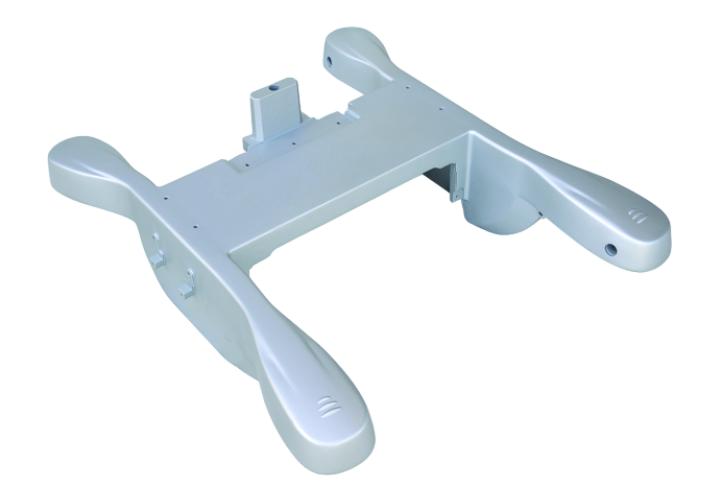
die casting machine
30
2026-09
The Art of Crafting Durable Aluminum Casts for Industrial Applications
27
2026-09
The Essential Guide to Die Casting: Techniques, Applications, and Benefits
24
2026-09
How to Stay Ahead in Mold Forging: Insights for Manufacturers
21
2026-09
The Essential Guide to Forging Molds: Understanding Their Importance in Manufacturing
18
2026-09
Zinc Die Casting Parts: A Premier Cost-Effective Solution for Customized Manufacturing
15
2026-09
The Intricacies of Zinc Alloy Die Casting: A Comprehensive Overview
12
2026-09
The Art of Creating Intricate Designs Through Aluminum Prototype Casting
GM Diecasting Technology Co.,Limited.
Add:Building 1-5, Chongke Road, Shipai Town, Dongguan City, Guangdong Province
Email:henry@gmdiecastingtech.com
Email:lily@gmdiecastingtech.com
Tel:+8613680864695