
16

2025

-

01

Surface treatment of Prototype Aluminum Casting china

Author:


Surface treatment is a crucial step in prototype aluminum casting, which can not only improve the appearance of the casting, but also enhance its performance.

First of all, polishing is a common surface treatment method. For prototype aluminum castings, polishing can remove surface defects such as sand holes and burrs generated during the casting process, so that the surface can achieve a mirror-like effect. This is very important when making some prototypes with high requirements for appearance, such as artistic decorations or prototypes of high-end electronic product housings. The polished surface of aluminum castings reflects light evenly and has a strong visual appeal.
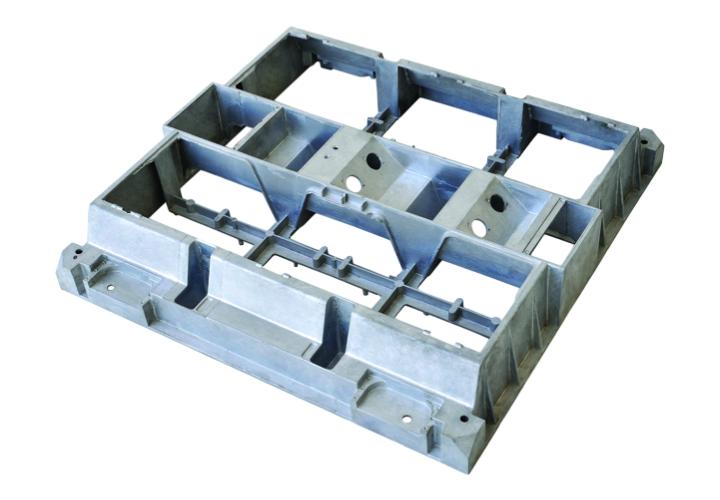
prototype aluminum casting china

Anodizing is also a widely used surface treatment process. During the anodizing process, an oxide film is formed on the surface of aluminum castings. This oxide film has many advantages. It can improve the corrosion resistance of the casting and make it more durable under different environmental conditions. At the same time, by controlling the process parameters of anodizing, the oxide film can be made with different colors, providing a rich color selection for the prototype. For example, in automotive prototype manufacturing, anodized aluminum parts can match the overall color of the car body or form a unique decorative color effect.

Spray painting also plays an important role in the surface treatment of prototype aluminum casting china. Spray painting can provide additional protection for aluminum castings to prevent them from being corroded by direct contact with the external environment. Moreover, spray painting can meet the needs of various colors and surface textures, such as matte, glossy, metallic texture, etc. In some mechanical prototype manufacturing, spray painting can distinguish the colors of different functional parts for easy identification and operation demonstration.

prototype aluminum casting china
27

2026-09

The Essential Guide to Die Casting: Techniques, Applications, and Benefits

Die casting is a highly efficient metal casting process that involves forcing molten metal into a mold cavity under high pressure. This method is widely used in various industries due to its ability to produce complex shapes with high dimensional accuracy and a smooth surface finish. The die casting process is particularly significant in the manufacturing of machinery components, automotive parts,

24

2026-09

How to Stay Ahead in Mold Forging: Insights for Manufacturers

How to Stay Ahead in Mold Forging: Insights for Manufacturers Table of Contents Introduction to Mold Forging Understanding Mold Forging Processes Latest Technologies in Mold Forging The Importance of Material Selection Optimizing Manufacturing Processes for Efficiency Quality Control and Assurance in Mold Forging Sustainability in Mold Forging Practic

21

2026-09

The Essential Guide to Forging Molds: Understanding Their Importance in Manufacturing

Forging molds are specialized tools used in the forging process, which involves shaping metal through compressive forces. This method is prevalent in industries that require high-strength components, such as automotive, aerospace, and construction. The use of forging molds allows manufacturers to create precise and durable parts that meet stringent specifications. One of the key advantages of usin

18

2026-09

Zinc Die Casting Parts: A Premier Cost-Effective Solution for Customized Manufacturing

Zinc Die Casting Parts: A Premier Cost-Effective Solution for Customized Manufacturing Table of Contents 1. Introduction to Zinc Die Casting 2. Benefits of Zinc Die Casting Parts in Custom Manufacturing 2.1 Cost Efficiency 2.2 High-Quality Finishes 2.3 Design Freedom and Complexity 2.4 Environmental Impact

15

2026-09

The Intricacies of Zinc Alloy Die Casting: A Comprehensive Overview

Zinc alloy die casting is a pivotal process in the realm of manufacturing, known for its ability to produce high-quality, intricate metal components with remarkable precision. This method leverages the unique properties of zinc alloys, which exhibit an excellent balance of strength, corrosion resistance, and fluidity. These characteristics make zinc alloys particularly suitable for die casting, en

12

2026-09

The Art of Creating Intricate Designs Through Aluminum Prototype Casting

The Art of Creating Intricate Designs Through Aluminum Prototype Casting Understanding Aluminum Prototype Casting Aluminum prototype casting is a vital process in modern manufacturing, providing a unique avenue for creating **detailed and complex designs**. This method allows engineers and designers to produce prototypes that are not only functional but also visually striking. The ability to manip

09

2026-09

Understanding Die Casting Molds: The Backbone of Precision Manufacturing

Die casting molds are essential components in the manufacturing process, particularly in the production of complex metal parts. This technique involves forcing molten metal into a mold cavity under high pressure, resulting in finely detailed and dimensionally accurate components. Understanding the intricacies of die casting molds can significantly enhance the efficiency and quality of your manufac

06

2026-09

Unlocking Potential: The Advantages of Custom Aluminum Casting in Machinery Manufacturing

Unlocking Potential: The Advantages of Custom Aluminum Casting in Machinery Manufacturing Table of Contents Introduction to Custom Aluminum Casting What is Aluminum Casting? Benefits of Custom Aluminum Casting 1. Lightweight and Strength 2. Corrosion Resistance 3. Design Flexibility 4. Cost-Effectiveness 5. Recyclabi