



18
2025
-
01
Environmental considerations of Best Prototype Aluminum Casting
Author:
In the process of Best prototype aluminum casting, environmental considerations are multifaceted and crucial.
From the perspective of raw material acquisition, the source of aluminum is mainly bauxite. Sustainable mining methods are the primary requirement for environmental protection. The use of advanced mining technology to reduce damage to the land and reduce dust and waste emissions can protect the ecological environment around the mining area. In addition, improving the utilization rate of bauxite and reducing waste in the mining process are also in line with the concept of environmental protection.
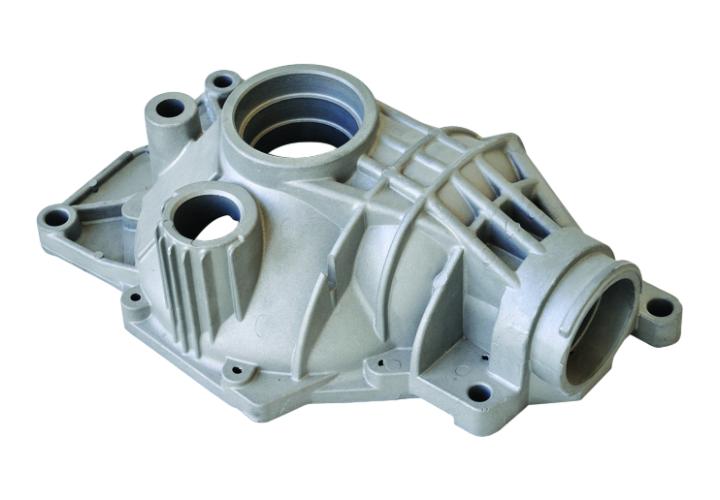
In the Best prototype aluminum casting process, energy consumption is a key environmental factor. Traditional casting processes may consume a large amount of fossil fuels for heating furnaces and other operations. The use of more efficient heating technologies, such as energy-saving technologies such as induction heating, can reduce energy consumption and reduce greenhouse gas emissions caused by energy combustion. In addition, optimizing the casting process and improving production efficiency can also reduce energy demand per unit output.
The treatment of waste generated during the Best prototype aluminum casting process should not be ignored. Aluminum casting produces waste slag, waste gas, etc. If the waste residue contains metals such as aluminum that are not fully utilized, it can be refined again through recycling technology, which not only reduces the accumulation of waste but also saves resources. For waste gas, an effective purification system is needed to remove harmful pollutants such as particulate matter and volatile organic compounds to ensure that the gas discharged into the atmosphere meets environmental protection standards.
In terms of surface treatment, if chemical treatment methods are used, it is necessary to ensure the rational use and proper treatment of chemical agents. Avoid leakage of chemical agents to pollute soil and water bodies. At the same time, used chemical agents should be harmlessly treated or recycled for reuse.
Best prototype aluminum casting
Previous Page
Previous Page
24
2026-09
How to Stay Ahead in Mold Forging: Insights for Manufacturers
21
2026-09
The Essential Guide to Forging Molds: Understanding Their Importance in Manufacturing
18
2026-09
Zinc Die Casting Parts: A Premier Cost-Effective Solution for Customized Manufacturing
15
2026-09
The Intricacies of Zinc Alloy Die Casting: A Comprehensive Overview
12
2026-09
The Art of Creating Intricate Designs Through Aluminum Prototype Casting
09
2026-09
Understanding Die Casting Molds: The Backbone of Precision Manufacturing
06
2026-09
Unlocking Potential: The Advantages of Custom Aluminum Casting in Machinery Manufacturing
GM Diecasting Technology Co.,Limited.
Add:Building 1-5, Chongke Road, Shipai Town, Dongguan City, Guangdong Province
Email:henry@gmdiecastingtech.com
Email:lily@gmdiecastingtech.com
Tel:+8613680864695