



25
2025
-
03
Technical means to improve the performance of zinc die casting parts
Author:
Zinc die casting parts are widely used in many industries, and improving their performance is crucial to improving product quality and competitiveness. The following are some effective technical means.
1. Optimize mold design
The mold is a key factor in zinc die casting. First, a reasonable runner system design can ensure that the zinc alloy melt fills the mold cavity evenly and smoothly. For example, the use of hot runner technology can reduce the temperature fluctuation of the melt and improve the density and integrity of the parts. Secondly, the precise demolding mechanism design can avoid deformation or damage when the parts are demolded. For example, increasing the number of ejection points and arranging them reasonably can make the parts evenly stressed and prevent excessive local stress.
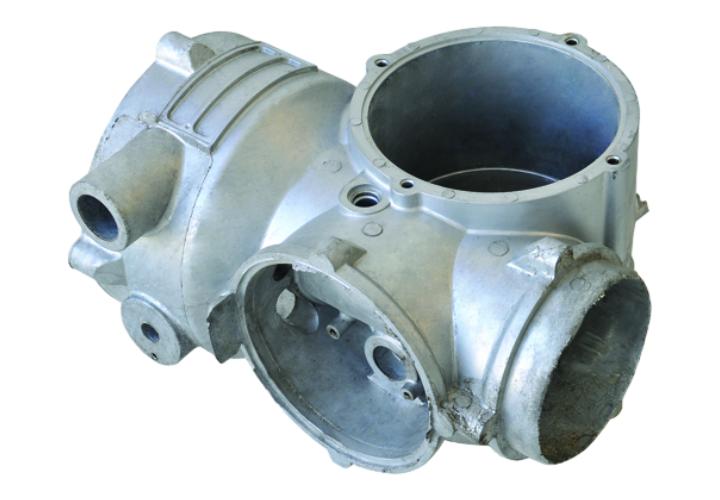
2. Accurate die casting process parameter control
Temperature control
Maintaining a suitable furnace temperature is the key. Too high a temperature will cause the zinc alloy to oxidize more and affect the quality of the parts; too low a temperature will make the melt poor in fluidity. At the same time, the mold temperature must also be precisely controlled, and different part structures may require different mold temperatures to ensure the molding quality of the parts.
Pressure control
The injection pressure during the die casting process directly affects the density and internal structure of the parts. Sufficient injection pressure can make the zinc alloy melt better fill the tiny gaps in the mold cavity, reduce defects such as pores, and thus improve the strength and corrosion resistance of the parts.
3. Surface treatment technology
Electroplating treatment
Electroplating can form a uniform metal coating on the surface of zinc die casting parts, such as chrome plating, nickel plating, etc. This can not only improve the appearance quality of the parts, making them more beautiful and bright, but also enhance the corrosion resistance and wear resistance of the parts.
Passivation treatment
Passivation can form a dense oxide film on the surface of the parts, effectively preventing the corrosion of the parts during use, especially suitable for some application scenarios with high requirements for corrosion resistance.
4. Alloy composition optimization
By adjusting the composition of the zinc alloy, such as adding appropriate amounts of aluminum, magnesium and other elements, the mechanical properties of zinc die casting parts can be improved. For example, adding aluminum elements can improve the strength and hardness of the parts, and adding magnesium elements can help refine the grains and improve the toughness of the parts.
Zinc die casting parts

03
2026-10
The Versatility and Advantages of Aluminum Alloys in Modern Applications
30
2026-09
The Art of Crafting Durable Aluminum Casts for Industrial Applications
27
2026-09
The Essential Guide to Die Casting: Techniques, Applications, and Benefits
24
2026-09
How to Stay Ahead in Mold Forging: Insights for Manufacturers
21
2026-09
The Essential Guide to Forging Molds: Understanding Their Importance in Manufacturing
18
2026-09
Zinc Die Casting Parts: A Premier Cost-Effective Solution for Customized Manufacturing
15
2026-09
The Intricacies of Zinc Alloy Die Casting: A Comprehensive Overview
GM Diecasting Technology Co.,Limited.
Add:Building 1-5, Chongke Road, Shipai Town, Dongguan City, Guangdong Province
Email:henry@gmdiecastingtech.com
Email:lily@gmdiecastingtech.com
Tel:+8613680864695