



06
2024
-
09
The Art and Science of quality Forging Molds: A Comprehensive Guide
Author:
Quality Forging molds are crucial components in the manufacturing process, particularly in industries that utilize metal forming techniques. These molds are designed to shape and form metal materials through processes such as hot forging, cold forging, and precision forging. The main goal of using forging molds is to produce parts with enhanced mechanical properties and to achieve specific geometries that would be difficult to replicate through traditional machining methods.
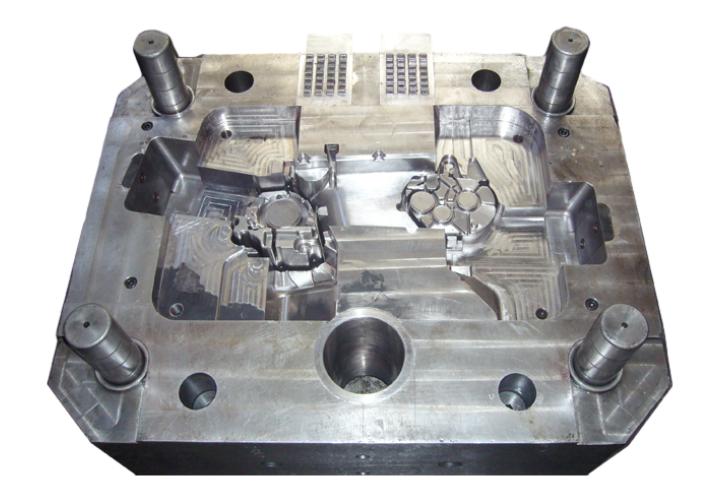
The forging process involves heating metal to a malleable state and then applying pressure to shape it. Forging molds play a vital role in this process, as they dictate the final dimensions and surface finish of the forged components. The materials used to create forging molds can vary, but they are typically made from high-grade steel or other durable alloys that can withstand the immense forces and temperatures involved in forging.
One of the primary advantages of using forging molds is the improved strength of the final products. Since the metal is compressed and deformed in a controlled manner, the molecular structure is refined, resulting in components that exhibit superior strength, durability, and resistance to wear and fatigue. This makes forged parts particularly beneficial for applications in the automotive, aerospace, and heavy machinery sectors, where reliability is paramount.
Another significant aspect to consider is the design of forging molds. The design process is a collaborative effort that often involves engineers and toolmakers who must account for various factors such as material flow, thermal expansion, and cooling rates. An optimized mold design can significantly reduce production time and improve the overall efficiency of the manufacturing process. Advanced computer-aided design (CAD) software is frequently used to simulate the forging process and predict potential issues before production begins.
Forging molds also require regular maintenance and occasional refurbishment to ensure they remain effective over time. Factors such as wear from repeated use and thermal cycling can lead to diminished performance, making it essential to establish a routine maintenance schedule. Proper care not only extends the lifespan of the molds but also ensures consistent quality in the forged components.
In conclusion, the significance of forging molds in the manufacturing process cannot be overstated. They are indispensable in producing high-quality, strong components that meet the demanding standards of various industries. Understanding the intricacies of forging molds, from their design to their maintenance, is essential for anyone involved in the manufacturing and machining sectors. By leveraging the advantages of forging molds, companies can enhance their production capabilities and deliver superior products to their customers.
quality Forging Molds
30
2026-09
The Art of Crafting Durable Aluminum Casts for Industrial Applications
27
2026-09
The Essential Guide to Die Casting: Techniques, Applications, and Benefits
24
2026-09
How to Stay Ahead in Mold Forging: Insights for Manufacturers
21
2026-09
The Essential Guide to Forging Molds: Understanding Their Importance in Manufacturing
18
2026-09
Zinc Die Casting Parts: A Premier Cost-Effective Solution for Customized Manufacturing
15
2026-09
The Intricacies of Zinc Alloy Die Casting: A Comprehensive Overview
12
2026-09
The Art of Creating Intricate Designs Through Aluminum Prototype Casting
GM Diecasting Technology Co.,Limited.
Add:Building 1-5, Chongke Road, Shipai Town, Dongguan City, Guangdong Province
Email:henry@gmdiecastingtech.com
Email:lily@gmdiecastingtech.com
Tel:+8613680864695