
06

2024

-

08

Understanding Zinc Die Casting: A Key Process in Manufacturing

Author:


Zinc die casting is a metal casting process that involves forcing molten zinc alloy into a mold cavity under high pressure. This method is favored for its ability to produce components with excellent dimensional accuracy and a smooth surface finish. The process is particularly beneficial in applications where precision and aesthetics are paramount.
One of the main advantages of zinc die casting is its ability to produce complex shapes with tight tolerances. The fluidity of molten zinc allows for intricate designs to be achieved that would be challenging with other materials or methods. Additionally, zinc die casting offers excellent mechanical properties, including high strength and resistance to corrosion, making it an ideal choice for components used in harsh environments.
Zinc die casting is often employed in various industries, including automotive, electronics, and consumer goods. Components such as automotive parts, electrical housings, and decorative items are commonly produced using this method. The versatility of zinc alloys allows manufacturers to tailor their products to meet specific performance requirements, enhancing the overall functionality of the end product.
The process begins with the preparation of the die, which is typically made from steel and designed to withstand the high pressures and temperatures involved in casting. After the die is heated, molten zinc is injected into it under pressure. Once the metal cools and solidifies, the die is opened, and the finished component is ejected. This rapid cycle time contributes to the efficiency of zinc die casting, making it suitable for high-volume production runs.
Another significant benefit of zinc die casting is the reduction in material waste. The precision of the casting process allows for minimal excess material, which can often be recycled and reused. This aspect not only contributes to cost efficiency but also supports sustainability initiatives within manufacturing practices.
In conclusion, zinc die casting stands out as a highly effective manufacturing technique within the machining and die-casting industry. Its ability to produce intricate and durable components with high precision makes it a preferred choice for many applications. Understanding the technical aspects and advantages of zinc die casting can help manufacturers make informed decisions that enhance their production capabilities and product quality.

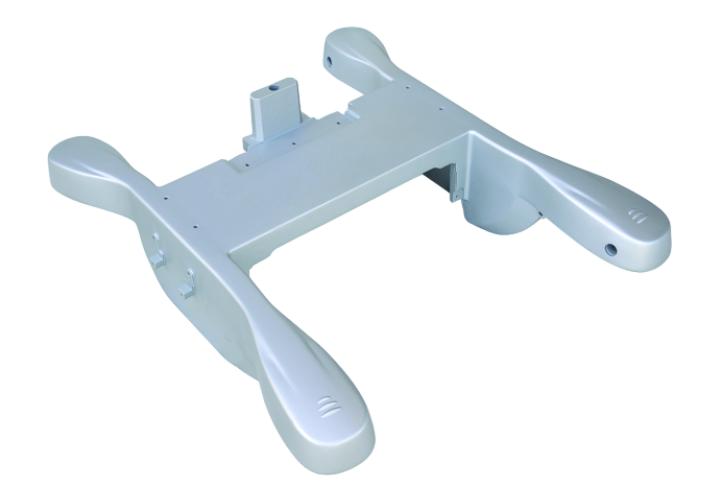
zinc die casting
03

2026-10

The Versatility and Advantages of Aluminum Alloys in Modern Applications

Aluminum alloys are a pivotal component in the metallurgy and energy sectors. Due to their combination of lightweight properties, strength, and corrosion resistance, these alloys have become a favored material in numerous applications. Understanding aluminum alloys is essential for industries looking to optimize their manufacturing processes and product performance. Aluminum alloys are categorized

30

2026-09

The Art of Crafting Durable Aluminum Casts for Industrial Applications

The Art of Crafting Durable Aluminum Casts for Industrial Applications Aluminum casting has emerged as a crucial technique in the manufacturing sector, particularly for creating components that require both strength and lightweight properties. Understanding the nuances of this process is vital for industries ranging from automotive to aerospace. This article explores the multifaceted art of alumin

27

2026-09

The Essential Guide to Die Casting: Techniques, Applications, and Benefits

Die casting is a highly efficient metal casting process that involves forcing molten metal into a mold cavity under high pressure. This method is widely used in various industries due to its ability to produce complex shapes with high dimensional accuracy and a smooth surface finish. The die casting process is particularly significant in the manufacturing of machinery components, automotive parts,

24

2026-09

How to Stay Ahead in Mold Forging: Insights for Manufacturers

How to Stay Ahead in Mold Forging: Insights for Manufacturers Table of Contents Introduction to Mold Forging Understanding Mold Forging Processes Latest Technologies in Mold Forging The Importance of Material Selection Optimizing Manufacturing Processes for Efficiency Quality Control and Assurance in Mold Forging Sustainability in Mold Forging Practic

21

2026-09

The Essential Guide to Forging Molds: Understanding Their Importance in Manufacturing

Forging molds are specialized tools used in the forging process, which involves shaping metal through compressive forces. This method is prevalent in industries that require high-strength components, such as automotive, aerospace, and construction. The use of forging molds allows manufacturers to create precise and durable parts that meet stringent specifications. One of the key advantages of usin

18

2026-09

Zinc Die Casting Parts: A Premier Cost-Effective Solution for Customized Manufacturing

Zinc Die Casting Parts: A Premier Cost-Effective Solution for Customized Manufacturing Table of Contents 1. Introduction to Zinc Die Casting 2. Benefits of Zinc Die Casting Parts in Custom Manufacturing 2.1 Cost Efficiency 2.2 High-Quality Finishes 2.3 Design Freedom and Complexity 2.4 Environmental Impact

15

2026-09

The Intricacies of Zinc Alloy Die Casting: A Comprehensive Overview

Zinc alloy die casting is a pivotal process in the realm of manufacturing, known for its ability to produce high-quality, intricate metal components with remarkable precision. This method leverages the unique properties of zinc alloys, which exhibit an excellent balance of strength, corrosion resistance, and fluidity. These characteristics make zinc alloys particularly suitable for die casting, en

12

2026-09

The Art of Creating Intricate Designs Through Aluminum Prototype Casting

The Art of Creating Intricate Designs Through Aluminum Prototype Casting Understanding Aluminum Prototype Casting Aluminum prototype casting is a vital process in modern manufacturing, providing a unique avenue for creating **detailed and complex designs**. This method allows engineers and designers to produce prototypes that are not only functional but also visually striking. The ability to manip