



05
2024
-
08
Unlocking the Strength of Zinc Alloy: A Complete Guide
Author:
Unlocking the Strength of Zinc Alloy: A Complete Guide
Table of Contents
1. Introduction to Zinc Alloys
2. What is Zinc Alloy?
3. Key Properties of Zinc Alloys
3.1 Strength and Durability
3.2 Corrosion Resistance
3.3 Malleability and Workability
3.4 Thermal and Electrical Conductivity
4. Types of Zinc Alloys
4.1 Die-Casting Zinc Alloys
4.2 Wrought Zinc Alloys
5. Applications of Zinc Alloys
5.1 Automotive Industry
5.2 Aerospace Applications
5.3 Construction and Hardware
5.4 Electrical and Electronic Components
6. Advantages of Using Zinc Alloys
7. The Future of Zinc Alloys in Industry
8. Frequently Asked Questions (FAQs)
9. Conclusion
1. Introduction to Zinc Alloys
Zinc alloys have emerged as a vital material in various industries due to their unique properties and versatility. As we delve into the world of zinc alloys, we will explore their composition, characteristics, and the factors that make them invaluable in modern engineering practices. This guide aims to provide a thorough understanding of zinc alloys and their applications.
2. What is Zinc Alloy?
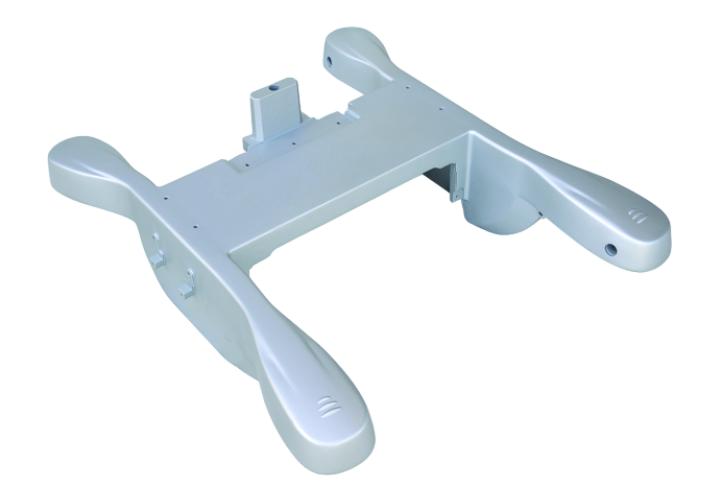
Zinc alloy refers to a group of metallic substances composed primarily of zinc, combined with other elements such as aluminum, copper, and magnesium. These combinations enhance the physical and mechanical properties of zinc, creating a material that is both strong and lightweight. Zinc alloys are commonly used in die-casting processes, resulting in intricate shapes and forms that are difficult to achieve with other metals.
3. Key Properties of Zinc Alloys
Understanding the essential properties of zinc alloys is crucial for recognizing their advantages in various applications.
3.1 Strength and Durability
Zinc alloys exhibit remarkable strength-to-weight ratios, making them ideal for applications where reducing weight without sacrificing strength is essential. The tensile strength of zinc alloys can be significantly higher than that of pure zinc, allowing for robust components that can withstand stress and strain.
3.2 Corrosion Resistance
One of the standout features of zinc alloys is their excellent corrosion resistance. Zinc naturally forms a protective layer when exposed to moisture, preventing further degradation. This property is particularly beneficial in outdoor applications and environments where exposure to corrosive elements is inevitable.
3.3 Malleability and Workability
Zinc alloys are highly malleable, allowing for easy shaping and forming during manufacturing processes. This characteristic enables intricate designs and components, contributing to their widespread use in various industries.
3.4 Thermal and Electrical Conductivity
Zinc alloys possess good thermal and electrical conductivity, making them suitable for applications in electronics and heat transfer mechanisms. Their ability to dissipate heat efficiently enhances their utility in various technological advancements.
4. Types of Zinc Alloys
Various zinc alloys exist, each tailored for specific applications and performance requirements.
4.1 Die-Casting Zinc Alloys
Die-casting zinc alloys are designed for high-volume production with superior dimensional accuracy. These alloys, such as Zamak, offer excellent mechanical properties and are ideal for manufacturing components in the automotive and electrical industries.
4.2 Wrought Zinc Alloys
Wrought zinc alloys are processed through deformation methods such as rolling or forging. These alloys are used in applications requiring enhanced strength and toughness, often found in construction and infrastructure projects.
5. Applications of Zinc Alloys
Zinc alloys are utilized across various industries, showcasing their versatility and effectiveness.
5.1 Automotive Industry
In the automotive sector, zinc alloys are employed for components such as engine parts, transmission housings, and decorative trims. Their lightweight nature and strength contribute to improved fuel efficiency and performance.
5.2 Aerospace Applications
The aerospace industry benefits from zinc alloys due to their corrosion resistance and strength-to-weight ratio. Components made from zinc alloys are used in aircraft structures, leading to enhanced safety and performance.
5.3 Construction and Hardware
Zinc alloys are commonly used in construction applications, particularly for hardware and fasteners. Their durability and resistance to corrosion ensure longevity and reliability in structural components.
5.4 Electrical and Electronic Components
In the realm of electronics, zinc alloys are used for connectors, housings, and other critical components. Their electrical conductivity and ability to withstand thermal stress make them ideal for modern electronic devices.
6. Advantages of Using Zinc Alloys
The advantages of integrating zinc alloys into various manufacturing processes are numerous. Their combination of strength, lightweight properties, and corrosion resistance makes them a preferred choice for engineers and manufacturers. Additionally, zinc alloys are cost-effective, making them an economical option for high-performance applications.
7. The Future of Zinc Alloys in Industry
As industries continue to evolve, the demand for advanced materials such as zinc alloys is expected to grow. Innovations in alloy compositions and manufacturing techniques will likely enhance their properties further, opening new avenues for utilization in emerging technologies and applications. The future of zinc alloys looks promising, with ongoing research and development aimed at maximizing their potential.
8. Frequently Asked Questions (FAQs)
1. What are the main benefits of using zinc alloys?
Zinc alloys offer an excellent combination of strength, lightweight properties, and corrosion resistance, making them ideal for various applications.
2. How are zinc alloys produced?
Zinc alloys are produced through melting and alloying processes, followed by die-casting or wrought processing to achieve the desired shapes and properties.
3. Can zinc alloys be recycled?
Yes, zinc alloys are highly recyclable, which contributes to sustainability and reduces environmental impact.
4. In what industries are zinc alloys commonly used?
Zinc alloys are widely used in the automotive, aerospace, construction, and electronics industries due to their unique properties.
5. How do zinc alloys compare to other metals?
Zinc alloys typically offer better corrosion resistance and a favorable strength-to-weight ratio compared to other metals like aluminum and copper, making them suitable for specific applications.
9. Conclusion
In conclusion, zinc alloys represent a powerful material choice across multiple sectors due to their unique properties, including strength, durability, and corrosion resistance. As technology advances, the applications and benefits of zinc alloys will likely expand, solidifying their role as a cornerstone in modern engineering and manufacturing practices. Embracing zinc alloys not only enhances product performance but also contributes to sustainable manufacturing efforts, making them an integral component of the future.
zinc alloy
30
2026-09
The Art of Crafting Durable Aluminum Casts for Industrial Applications
27
2026-09
The Essential Guide to Die Casting: Techniques, Applications, and Benefits
24
2026-09
How to Stay Ahead in Mold Forging: Insights for Manufacturers
21
2026-09
The Essential Guide to Forging Molds: Understanding Their Importance in Manufacturing
18
2026-09
Zinc Die Casting Parts: A Premier Cost-Effective Solution for Customized Manufacturing
15
2026-09
The Intricacies of Zinc Alloy Die Casting: A Comprehensive Overview
12
2026-09
The Art of Creating Intricate Designs Through Aluminum Prototype Casting
GM Diecasting Technology Co.,Limited.
Add:Building 1-5, Chongke Road, Shipai Town, Dongguan City, Guangdong Province
Email:henry@gmdiecastingtech.com
Email:lily@gmdiecastingtech.com
Tel:+8613680864695