



03
2024
-
09
Exploring the Benefits of china Zinc Die Casting Parts in Modern Manufacturing
Author:
Exploring the Benefits of Zinc Die Casting Parts in Modern Manufacturing
Introduction to Zinc Die Casting in Manufacturing
In the ever-evolving landscape of manufacturing, the choice of materials and processes plays a pivotal role in the quality, efficiency, and sustainability of production. One such process that has garnered significant attention is **zinc die casting**. This technology not only optimizes production but also provides numerous benefits that can enhance the operational capabilities of various sectors, including automotive, electronics, and consumer goods.
The Basics of Zinc Die Casting
China Zinc die casting is a metal-forming process where molten zinc is injected into a mold cavity under high pressure. The resulting parts are characterized by their **precision**, **strength**, and **surface finish**, making them ideal for a wide range of applications. Below, we unpack the key elements of this fascinating manufacturing process.
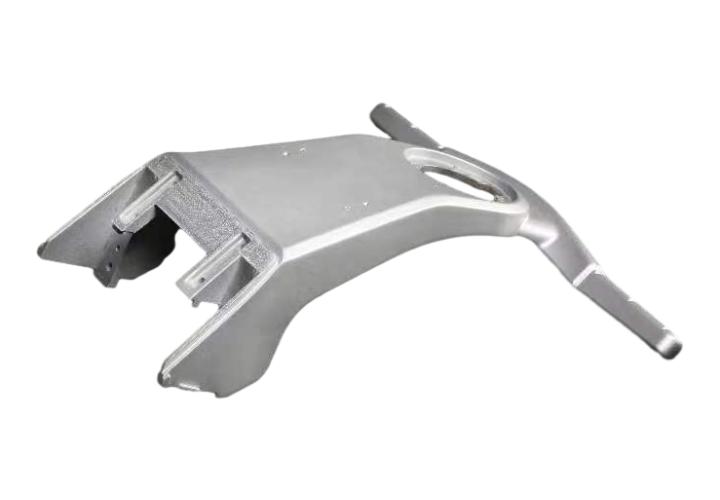
What is Die Casting?
Die casting is a manufacturing process that involves forcing molten metal into a mold cavity. The method is highly regarded for producing complex shapes with tight tolerances. There are two main types of die casting: **hot chamber** and **cold chamber**, each suitable for different materials and applications. Zinc die casting typically employs the hot chamber method due to zinc’s low melting point.
The Advantages of Using Zinc in Die Casting
Zinc offers distinct benefits compared to other metals used in die casting, such as aluminum or magnesium. Some of the advantages include:
- **High fluidity**: This enables the production of intricate designs with fine details.
- **Corrosion resistance**: Zinc parts resist corrosion, extending the lifespan of components.
- **Impact resistance**: Zinc components can withstand impact without breaking, making them ideal for rugged applications.
- **Cost-effectiveness**: The low cost of zinc compared to other metals contributes to lower manufacturing expenses.
The Benefits of Zinc Die Casting Parts
Zinc die casting provides a plethora of advantages that can significantly enhance the manufacturing process. Here are some of the most notable benefits:
1. Precision and Accuracy
One of the primary advantages of zinc die casting is its ability to create parts with exceptional precision and accuracy. The high-pressure injection process ensures that the molten metal fills all intricate details of the mold, resulting in components that require minimal finishing work. This level of precision reduces the need for secondary operations, thus saving time and costs.
2. Cost Efficiency
Zinc die casting is an economically viable option for manufacturers. The process allows for the production of large volumes of parts with minimal waste, making it an attractive choice for businesses looking to reduce production costs. Additionally, the longevity and durability of zinc parts mean that companies can save on replacement and maintenance costs over time.
3. Enhanced Durability and Strength
Zinc die casting parts are known for their remarkable strength and durability. Zinc’s inherent properties provide resistance against wear and tear, making it suitable for high-stress applications. This durability results in components that maintain their functionality over extended periods, providing excellent value for manufacturers.
4. Corrosion Resistance
Corrosion can be a significant issue in many manufacturing environments, but zinc die casting mitigates this risk. The surface finish of zinc parts naturally resists corrosion, making them ideal for applications in harsh environments, such as automotive and outdoor equipment. This characteristic ensures that the parts maintain their integrity and appearance over time.
5. Aesthetically Pleasing Finish
The surface finish of zinc die casting parts is smooth and often requires little to no additional treatment. This capability allows manufacturers to produce components that are visually appealing without the need for extensive finishing processes. Additionally, zinc can be easily plated or coated to further enhance its aesthetic qualities.
6. Versatility in Applications
Zinc die casting is incredibly versatile, making it suitable for a wide variety of applications across numerous industries. Whether in automotive components, electronic housings, or medical devices, zinc die casting offers solutions that meet diverse manufacturing needs. Its adaptability allows manufacturers to innovate and explore new product designs.
The Zinc Die Casting Process: A Step-by-Step Overview
Understanding the zinc die casting process is essential for manufacturers looking to implement this technology. Here’s a detailed overview of the steps involved:
Step 1: Mold Design
The first step involves designing the mold, which plays a critical role in the quality of the final product. Engineers create a mold that meets the specifications of the desired part, considering factors such as cooling time, material flow, and ejection mechanisms.
Step 2: Melting the Zinc
Once the mold is designed, zinc is melted in a furnace. The melting temperature for zinc typically ranges between 385°C to 420°C (725°F to 788°F), depending on the specific alloy being used.
Step 3: Injection of Molten Zinc
The molten zinc is injected into the mold cavity under high pressure. This high-pressure injection ensures that the metal fills all sections of the mold, capturing intricate details in the design.
Step 4: Cooling and Solidification
After injection, the molten zinc cools and solidifies within the mold. The cooling time varies based on the part's thickness and size, but the process is generally rapid, resulting in high production efficiency.
Step 5: Ejection of the Part
Once the zinc has solidified, the mold opens to eject the finished part. This process typically involves mechanical ejectors that push the part out of the mold without damaging it.
Step 6: Finishing Touches
While zinc die casting parts often require minimal finishing, some components may undergo additional processes such as machining, plating, or coating to meet specific surface requirements or enhance functionality.
The Future of Zinc Die Casting in Manufacturing
As the manufacturing industry continues to evolve, zinc die casting is poised to play a significant role in future developments. Innovations in material science, sustainability practices, and automation technology will likely enhance the efficiency and capabilities of zinc die casting processes.
Emerging Trends and Technologies
- **Sustainability Practices**: With increasing emphasis on sustainable manufacturing, zinc die casting aligns well with eco-friendly practices. The recyclability of zinc and the reduction of waste produced during the die casting process contribute to more sustainable operations.
- **Advanced Automation**: The integration of automation and robotics in the die casting process is expected to improve efficiency and precision, allowing manufacturers to scale operations while maintaining quality.
- **Material Innovations**: Research into advanced zinc alloys may lead to new applications and improved performance characteristics, further broadening the scope of zinc die casting in various sectors.
FAQs about Zinc Die Casting Parts
1. What industries benefit most from zinc die casting parts?
Zinc die casting is widely utilized across industries such as automotive, electronics, consumer goods, and medical devices, thanks to its versatility and reliability.
2. How does zinc die casting compare to aluminum die casting?
While both methods offer benefits, zinc die casting typically provides better precision, surface finish, and corrosion resistance, making it suitable for specific applications.
3. Can zinc die casting parts be recycled?
Yes, zinc is highly recyclable, making it an environmentally friendly choice in manufacturing. Recycled zinc can be used to create new die casting parts without significant loss in quality.
4. What are the typical lead times for zinc die casting production?
Lead times can vary based on complexity and volume, but zinc die casting generally allows for rapid production, often reducing lead times significantly compared to traditional manufacturing methods.
5. Are there any limitations to zinc die casting?
While zinc die casting offers numerous benefits, it may not be suitable for extremely high-temperature applications or components requiring heavy load-bearing capabilities, where other materials might be more appropriate.
Conclusion
Zinc die casting parts are revolutionizing the manufacturing landscape, providing unparalleled benefits in terms of precision, cost-effectiveness, durability, and versatility. As industries continue to evolve, the demand for high-quality, reliable components will only increase, solidifying zinc die casting's role as a cornerstone in modern manufacturing. By understanding the advantages and processes associated with zinc die casting, manufacturers can leverage this technology to enhance their operations and stay competitive in a rapidly changing market.
china Zinc Die Casting Parts
30
2026-09
The Art of Crafting Durable Aluminum Casts for Industrial Applications
27
2026-09
The Essential Guide to Die Casting: Techniques, Applications, and Benefits
24
2026-09
How to Stay Ahead in Mold Forging: Insights for Manufacturers
21
2026-09
The Essential Guide to Forging Molds: Understanding Their Importance in Manufacturing
18
2026-09
Zinc Die Casting Parts: A Premier Cost-Effective Solution for Customized Manufacturing
15
2026-09
The Intricacies of Zinc Alloy Die Casting: A Comprehensive Overview
12
2026-09
The Art of Creating Intricate Designs Through Aluminum Prototype Casting
GM Diecasting Technology Co.,Limited.
Add:Building 1-5, Chongke Road, Shipai Town, Dongguan City, Guangdong Province
Email:henry@gmdiecastingtech.com
Email:lily@gmdiecastingtech.com
Tel:+8613680864695