



17
2024
-
09
Why Choosing the Best Zinc Die Casting Parts Can Elevate Your Manufacturing Process
Author:
Why Choosing the Best Zinc Die Casting Parts Can Elevate Your Manufacturing Process
Table of Contents
1. Introduction to Zinc Die Casting
2. Advantages of Zinc Die Casting Parts in Manufacturing
2.1 Superior Strength and Durability
2.2 Cost-Effectiveness in Production
2.3 Excellent Surface Finish
2.4 Precision and Accuracy
3. Key Applications of Zinc Die Casting Parts
3.1 Automotive Industry
3.2 Electronics Manufacturing
3.3 Aerospace Components
4. Factors to Consider When Choosing Zinc Die Casting Parts
4.1 Material Quality
4.2 Manufacturer Reputation
4.3 Design Complexity and Specification
5. The Manufacturing Process of Zinc Die Casting Parts
5.1 Die Design and Preparation
5.2 Melting and Pouring Zinc
5.3 Cooling and Ejection
6. Frequently Asked Questions (FAQs)
7. Conclusion
1. Introduction to Zinc Die Casting
Zinc die casting is a manufacturing process that allows us to produce complex, highly detailed, and dimensionally accurate metal parts with exceptional surface quality. By using molten zinc, manufacturers can create a wide array of shapes and sizes, making it an ideal choice for various industries. Understanding the significance of selecting the right zinc die casting parts can lead to improvements in product quality and cost savings in the manufacturing process.
2. Advantages of Zinc Die Casting Parts in Manufacturing
Investing in high-quality zinc die casting parts can greatly enhance our overall manufacturing efficiency. Below are several advantages that underscore why we should choose the best zinc die casting products.
2.1 Superior Strength and Durability
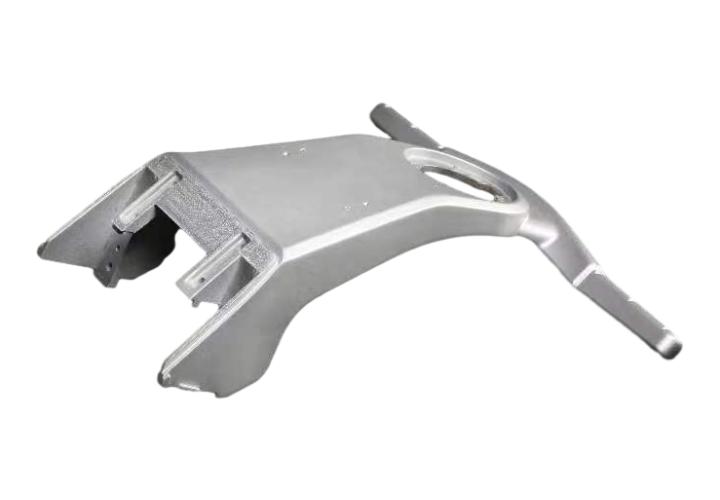
Zinc die casting parts exhibit remarkable strength, making them ideal for applications that require durability. The inherent properties of zinc allow these parts to withstand extreme conditions, such as temperature variations and mechanical stresses, without compromising their performance.
2.2 Cost-Effectiveness in Production
Manufacturing with zinc die casting is often more economical compared to other methods. The efficiency of the die casting process means that we can produce larger quantities of parts in a shorter timeframe. Additionally, the reduced need for secondary machining processes leads to a decrease in overall production costs.
2.3 Excellent Surface Finish
The smooth surface finish of zinc die casting parts contributes to a visually appealing final product. This quality is essential for consumer-facing industries, where aesthetics play a significant role in purchasing decisions. Furthermore, a high surface finish can enhance corrosion resistance, prolonging the lifespan of the parts.
2.4 Precision and Accuracy
Zinc die casting allows for tight tolerances and high precision in the manufacturing process. This accuracy is crucial for industries where even minor deviations can lead to significant operational issues. The ability to maintain consistent quality across large production runs can set us apart from competitors.
3. Key Applications of Zinc Die Casting Parts
Zinc die casting parts find applications across a wide range of industries, thanks to their versatility and superior characteristics.
3.1 Automotive Industry
In the automotive sector, zinc die casting parts are extensively used for components like engine brackets, transmission cases, and decorative trims. Their strength and lightweight nature contribute to fuel efficiency and performance.
3.2 Electronics Manufacturing
Zinc die casting is also vital in the electronics industry, where it is used for housings, connectors, and other components. The excellent thermal conductivity of zinc enhances the performance of electronic devices, making them more reliable.
3.3 Aerospace Components
In aerospace applications, weight is a critical factor. Zinc die casting parts provide the necessary strength-to-weight ratio, making them suitable for aircraft components that require high performance while minimizing weight.
4. Factors to Consider When Choosing Zinc Die Casting Parts
Selecting the right zinc die casting parts for our manufacturing process involves several considerations to ensure we achieve the desired quality and performance.
4.1 Material Quality
The quality of the zinc alloy used in the die casting process is paramount. Selecting high-grade materials ensures that the final products meet industry standards and perform effectively in their intended applications.
4.2 Manufacturer Reputation
Partnering with reputable manufacturers who specialize in zinc die casting is essential. Researching their track record and customer reviews provides insights into their quality control measures and commitment to excellence.
4.3 Design Complexity and Specification
Understanding the complexity of the part’s design and the specifications required is crucial. Engaging with manufacturers early in the design process allows for effective collaboration, ensuring that the final product meets all necessary criteria.
5. The Manufacturing Process of Zinc Die Casting Parts
The zinc die casting process involves several critical steps that contribute to the production of high-quality parts.
5.1 Die Design and Preparation
The first step in the zinc die casting process is designing the die. This involves creating accurate blueprints and specifications tailored to the specific requirements of the part. Preparing the die ensures that it can withstand the high pressures involved in the casting process.
5.2 Melting and Pouring Zinc
Once the die is prepared, the next step is melting zinc at high temperatures. The molten zinc is then poured into the die, filling the cavity and allowing the part to take shape.
5.3 Cooling and Ejection
After the zinc has cooled and solidified, the die is opened, and the finished part is ejected. This stage requires precision to avoid damaging the part and ensures that it meets the established tolerances.
6. Frequently Asked Questions (FAQs)
Q1: What is zinc die casting?
A1: Zinc die casting is a manufacturing process that involves pouring molten zinc into a mold to create highly detailed and accurate metal parts.
Q2: What are the advantages of using zinc die casting parts?
A2: Advantages include superior strength, cost-effectiveness, excellent surface finish, and high precision.
Q3: In which industries are zinc die casting parts commonly used?
A3: They are widely used in the automotive, electronics, and aerospace industries, among others.
Q4: How do I choose the right zinc die casting parts?
A4: Consider material quality, the reputation of the manufacturer, and the complexity of the part's design.
Q5: What steps are involved in the zinc die casting manufacturing process?
A5: Key steps include die design and preparation, melting and pouring zinc, and cooling and ejection of the casting.
7. Conclusion
Choosing the best zinc die casting parts can significantly elevate our manufacturing process by enhancing quality, reducing costs, and improving overall performance. By understanding the advantages, applications, and factors to consider, we can make informed decisions that support our manufacturing goals. In a competitive industry, investing in high-quality zinc die casting components is not just a choice; it's a strategic necessity for achieving excellence in production.
best zinc die casting parts
30
2026-09
The Art of Crafting Durable Aluminum Casts for Industrial Applications
27
2026-09
The Essential Guide to Die Casting: Techniques, Applications, and Benefits
24
2026-09
How to Stay Ahead in Mold Forging: Insights for Manufacturers
21
2026-09
The Essential Guide to Forging Molds: Understanding Their Importance in Manufacturing
18
2026-09
Zinc Die Casting Parts: A Premier Cost-Effective Solution for Customized Manufacturing
15
2026-09
The Intricacies of Zinc Alloy Die Casting: A Comprehensive Overview
12
2026-09
The Art of Creating Intricate Designs Through Aluminum Prototype Casting
GM Diecasting Technology Co.,Limited.
Add:Building 1-5, Chongke Road, Shipai Town, Dongguan City, Guangdong Province
Email:henry@gmdiecastingtech.com
Email:lily@gmdiecastingtech.com
Tel:+8613680864695