
NEWS

Company News


11-24

Exploring the Versatility and Applications of Aluminum Alloys
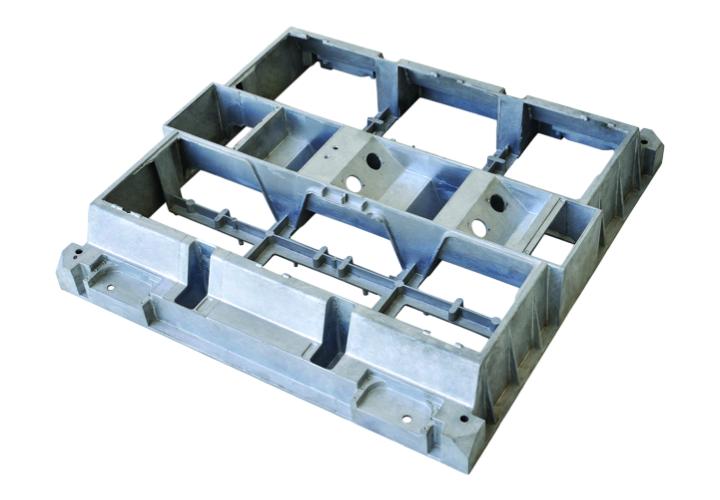
Aluminum alloys are engineered materials that combine aluminum with other elements, such as copper, magnesium, manganese, silicon, and zinc, to enhance their physical properties. This combination results in a wide range of aluminum alloys that exhibit improved strength, durability, corrosion resistance, and lightweight characteristics. As a result, they play a crucial role in numerous industries,
11-21

Revolutionizing the World of Molding: The Advantages of Aluminum Casting
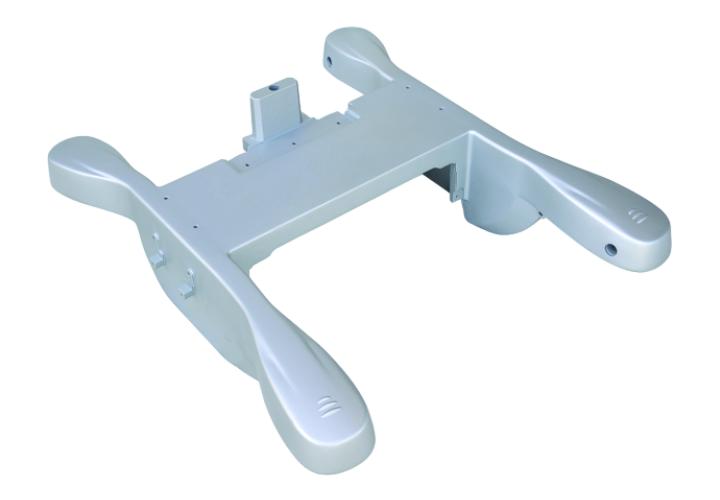
Revolutionizing the World of Molding: The Advantages of Aluminum Casting Table of Contents Introduction to Aluminum Casting What is Aluminum Casting? The Benefits of Aluminum Casting Cost-Effectiveness Lightweight and Durable Versatility in Application Sustainability The Manufacturing Process of Aluminum Castin
11-18

Understanding Die Casting: A Key Process in Manufacturing and Tooling
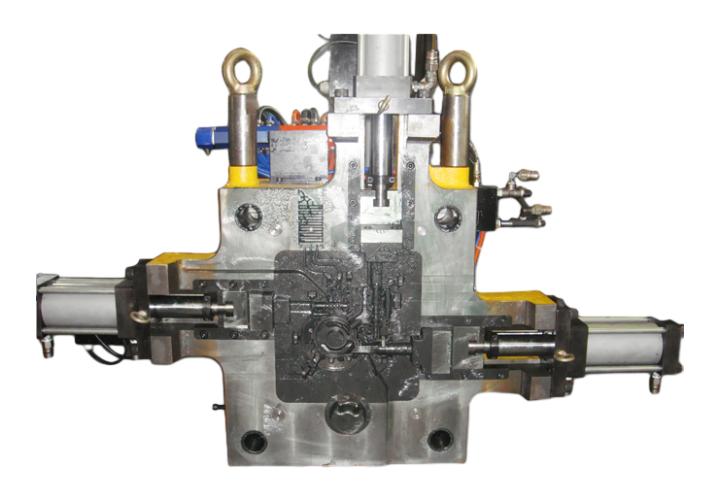
Die casting is a manufacturing process that involves forcing molten metal into a mold cavity under high pressure. This technique is widely used in various industries due to its ability to produce intricate shapes with a high level of precision. The process is particularly advantageous for producing large volumes of parts, making it an essential method in the manufacturing and tooling sector, espec
11-15

Analyzing the Competitive Landscape of Mold Forging: Strategies for Success
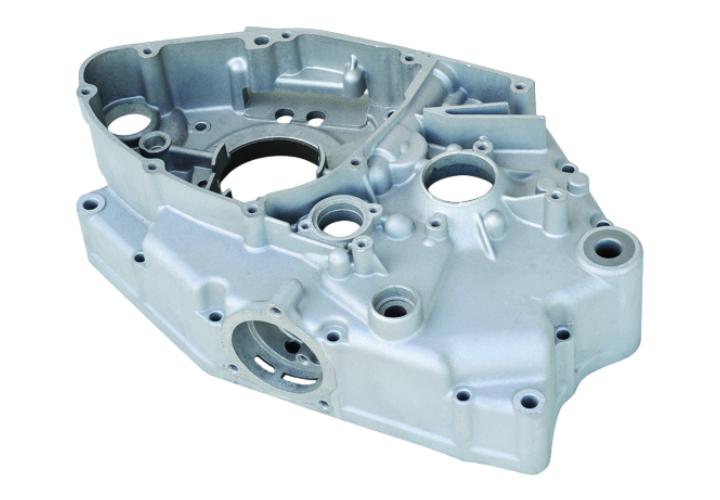
Analyzing the Competitive Landscape of Mold Forging In today's manufacturing environment, understanding the competitive landscape of mold forging is crucial for any business aiming to thrive in this specialized sector. Mold forging—an essential process in the production of durable and intricate components—has seen significant growth and evolution. In this article, we will dissect the current marke
11-12

Understanding Forging Molds: Essential Insights for Manufacturing Professionals
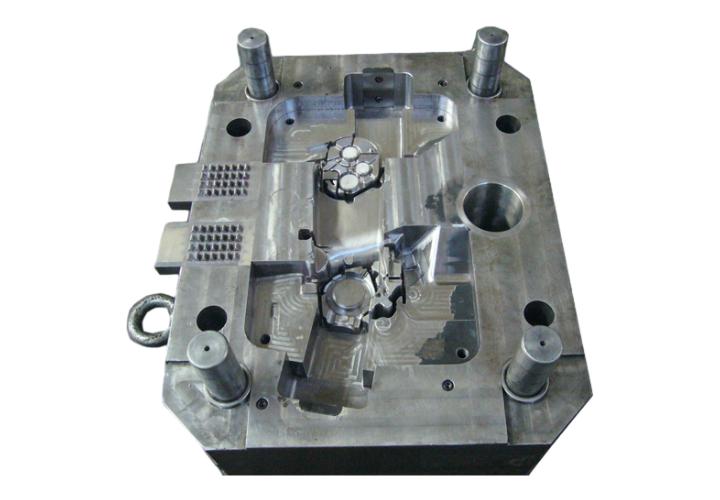
Forging molds are critical components in the manufacturing industry, particularly in the development of metal parts through the forging process. This method involves shaping metal using localized compressive forces, which can be applied through hammering or pressing. Understanding the nuances of forging molds can significantly enhance the efficiency and quality of the production process, making it
11-09

How Zinc Die Casting Parts Enhance Product Durability for Superior Performance
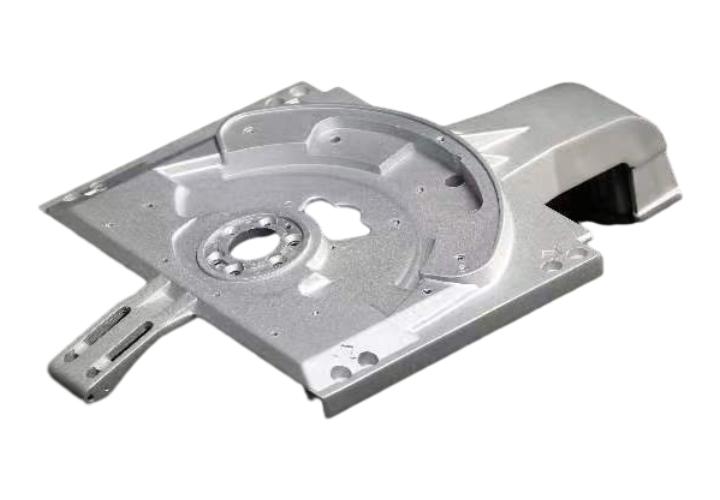
How Zinc Die Casting Parts Enhance Product Durability for Superior Performance Table of Contents 1. Introduction to Zinc Die Casting 2. What is Zinc Die Casting? 3. Advantages of Zinc Die Casting Parts - 3.1 Durability and Strength - 3.2 Corrosion Resistance - 3.3 Precision and Finish 4. Applications of Zinc Die Casting Parts - 4.1 Automotive Industry - 4.2 Electro
11-06

The Advantages of Zinc Alloy Die Casting in Modern Manufacturing
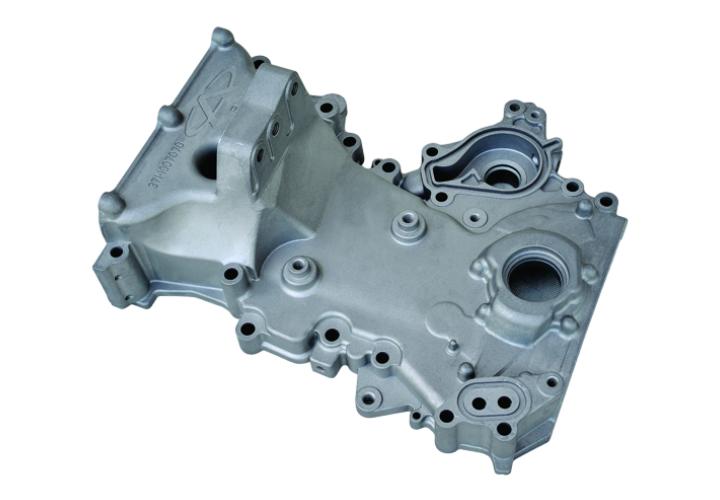
Zinc alloy die casting is a highly efficient manufacturing process favored for its ability to produce complex shapes with high precision and excellent surface finish. This method involves injecting molten zinc alloy into a mold under high pressure, resulting in parts that are not only durable but also lightweight. The key characteristic of zinc alloys is their superior fluidity, which allows them
11-03

Aluminum Prototype Casting: A Comprehensive Guide to Precision Engineering
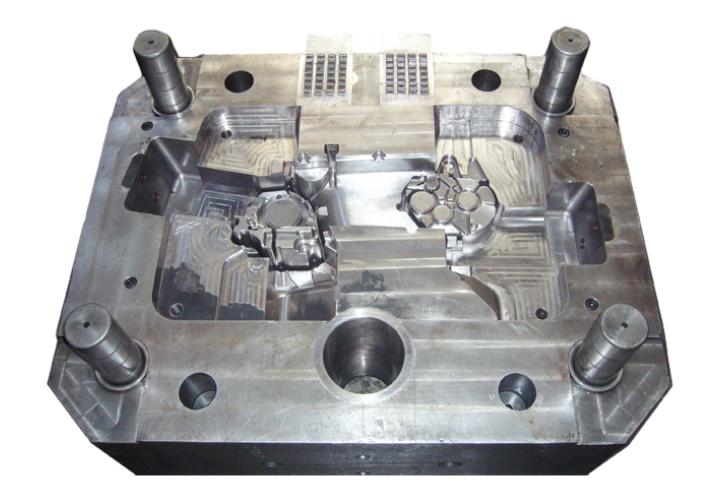
Aluminum Prototype Casting: A Step Towards Precision Engineering Introduction: The Importance of Aluminum Prototype Casting in Precision Engineering In the ever-evolving landscape of manufacturing, **aluminum prototype casting** plays a crucial role in enhancing precision engineering. This process not only allows for the rapid production of complex designs but also significantly reduces the time a
< 1...141516...55 >