
01

2026

-

06

Understanding Zinc Alloy Die Casting: A Comprehensive Guide

Author:


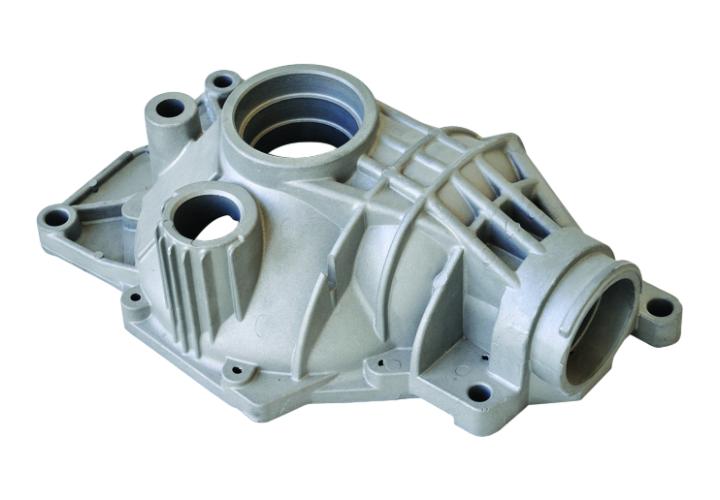
Zinc alloy die casting is a popular manufacturing process that involves injecting molten zinc alloy into a mold cavity under high pressure. This method is widely used in the production of complex and detailed metal components, making it a preferred choice in various industries, including automotive, electronics, and consumer goods. The process allows for high precision, excellent surface finish, and tight tolerances, which are critical in modern manufacturing.
One of the primary advantages of zinc alloy die casting is its cost-effectiveness. Zinc alloys are relatively inexpensive compared to other metals, such as aluminum or magnesium. Additionally, the die casting process itself is efficient, allowing for high production rates and reduced waste. This efficiency not only minimizes material costs but also shortens lead times, making it an ideal choice for large-scale production.
Furthermore, zinc alloys exhibit excellent mechanical properties, including strength, durability, and resistance to corrosion. These characteristics make them suitable for various applications, particularly in environments that require reliable performance. The versatility of zinc alloys also extends to their ability to be easily plated or coated, enhancing aesthetic appeal and improving resistance to wear and tear.
The die casting process begins with the creation of a mold, typically made from steel or iron, which is designed to withstand the high pressures involved in injection. Once the mold is prepared, molten zinc alloy is injected into the mold cavity using a die casting machine. After cooling and solidification, the mold is opened, and the finished component is ejected. This process can be repeated multiple times, allowing for consistent production of identical parts.
There are two main types of die casting processes: hot chamber and cold chamber. Hot chamber die casting is suitable for zinc alloys due to their low melting points. In this method, the melting pot is integrated with the injection system, allowing for quick and efficient production. In contrast, cold chamber die casting involves pouring the molten metal into a separate chamber before injection, making it more suitable for metals with higher melting points.
In conclusion, zinc alloy die casting is a remarkable manufacturing technique that combines efficiency, cost-effectiveness, and high-quality output. Its durability and versatility make it a preferred choice for a wide range of applications across various industries. Understanding the nuances of this process can help manufacturers optimize their production methods and meet the growing demands of the market. Whether you’re considering integrating zinc alloy die casting into your operations or simply want to learn more about it, this technique offers a wealth of benefits worth exploring.

zinc alloy die casting
31

2026-08

Precision Engineering: The Transformative Role of Zinc Die Casting in Tool Development

Precision Engineering: The Transformative Role of Zinc Die Casting in Tool Development Table of Contents 1. Introduction to Zinc Die Casting in Precision Engineering 2. Understanding Zinc Die Casting: An Overview 3. The Benefits of Zinc Die Casting in Tool Development 4. Applications of Zinc Die Casting in Various Industries 5. Zinc Die Casting vs. Other Manufacturing Methods

28

2026-08

Unlocking the Potential of Die Casting Machines in Metalworking

Die casting machines are pivotal in the realm of metalworking, particularly in manufacturing components that require high precision and durable properties. This method involves forcing molten metal into a mold cavity under high pressure, resulting in complex shapes and fine details that are often difficult to achieve through traditional machining processes. The versatility and effectiveness of die

25

2026-08

Driving Innovation through Aluminum Die Casting: The Future of Manufacturing

Driving Innovation through Aluminum Die Casting: The Future of Manufacturing In recent years, the manufacturing industry has experienced significant advancements, particularly with the rise of aluminum die casting. This innovative process has not only improved production efficiency but has also introduced new opportunities for design flexibility and material performance. In this article, we will e

22

2026-08

The Essential Guide to Aluminum Alloy Molds: Enhancing Manufacturing Efficiency

Aluminum alloy molds have become a crucial component in the manufacturing and machining industries, particularly in mold processing. These molds are favored for their unique combination of lightweight properties, excellent thermal conductivity, and corrosion resistance, which collectively enhance the efficiency of production processes. One of the primary advantages of aluminum alloy molds is their

19

2026-08

Mastering Precision Production with Zinc Alloy Molding: Unleashing the Power of Advanced Manufacturing Techniques

Mastering Precision Production with Zinc Alloy Molding Table of Contents 1. Introduction to Zinc Alloy Molding 2. What is Zinc Alloy? 3. Benefits of Zinc Alloy Molding in Manufacturing 4. Applications of Zinc Alloy Molding 5. The Zinc Alloy Molding Process Explained 6. Best Practices for Successful Zinc Alloy Molding 7. Common Challenges in Zinc Alloy Molding 8. The Future of Zinc

16

2026-08

Understanding Zinc Alloys: Properties, Applications, and Benefits

Zinc alloys are a group of metallic compounds that primarily consist of zinc, often combined with other metals such as aluminum, copper, and magnesium. These alloys are known for their excellent corrosion resistance, high strength-to-weight ratio, and good casting properties, making them ideal for a wide array of industrial applications. One of the most significant advantages of zinc alloys is the

13

2026-08

Revolutionizing Manufacturing: The Role of Aluminum Alloy in Modern Industry

Revolutionizing Manufacturing: The Role of Aluminum Alloy in Modern Industry Table of Contents 1. Introduction to Aluminum Alloys 2. What are Aluminum Alloys? 3. Types of Aluminum Alloys 4. Benefits of Using Aluminum Alloys in Manufacturing 5. Key Applications of Aluminum Alloys in Various Industries 6. Innovations in Aluminum Alloy Manufacturing 7. Challenges in Alumi

10

2026-08

Exploring the Benefits and Techniques of Aluminum Casting in Manufacturing

Aluminum casting is a pivotal process in the manufacturing and machining industry, particularly in the realm of mold-making and die-casting. This technique involves pouring molten aluminum into a mold to create complex shapes and components. The lightweight, durable, and corrosion-resistant nature of aluminum makes it an ideal material for a wide range of applications, from automotive parts to con