



04
2026
-
08
Understanding Mold Forging: Key Insights for Manufacturing Professionals
Author:
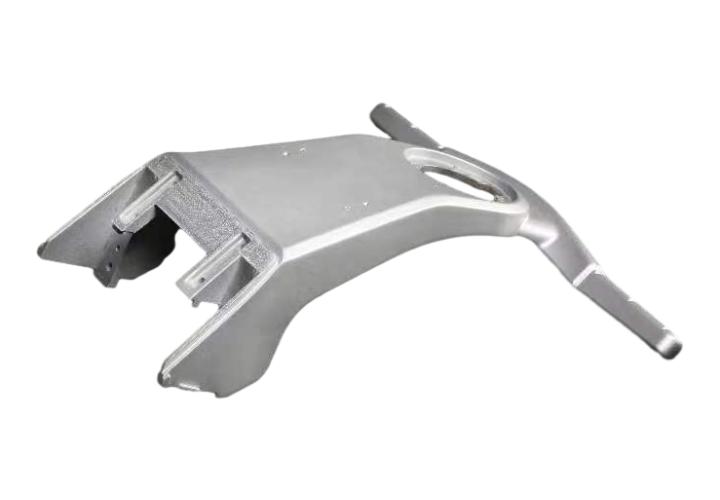
The mold forging process involves shaping metal using a mold while applying high pressure and heat. As the material is forced into the mold's cavity, it takes on the desired shape, resulting in components that exhibit exceptional strength and durability. This technique is particularly advantageous for creating complex geometries that would be challenging to achieve through traditional forging methods.
One key benefit of mold forging is its ability to reduce material waste. Traditional forging often requires additional machining to achieve the final dimensions, leading to increased scrap rates. In contrast, mold forging can produce near-net shapes, allowing for tighter tolerances and minimizing excess material. This efficiency not only conserves resources but also streamlines the overall production process.
Additionally, mold forging offers enhanced design flexibility. Manufacturers can create intricate designs and features using various materials, including metals and alloys. This adaptability allows engineers to innovate and optimize component designs, tailoring them to specific application requirements. Furthermore, by utilizing specialized molds, manufacturers can achieve uniformity and consistency across large production runs.
Another significant advantage of mold forging is its ability to improve the mechanical properties of the material. The forging process refines the grain structure of the metal, resulting in superior strength and toughness compared to cast or machined components. This enhancement is particularly critical in applications where performance is paramount, such as in high-stress environments or under extreme conditions.
It is essential for professionals in the manufacturing sector to stay abreast of the latest advancements in mold forging technology. Innovations, such as computer-aided design (CAD) and simulation software, have revolutionized the way manufacturers approach mold design and production. These tools allow for precise modeling of the forging process, enabling engineers to predict outcomes and optimize designs before physical production begins.
In conclusion, mold forging is an essential process in the manufacturing industry that offers numerous advantages, including reduced waste, design flexibility, and improved material properties. By understanding the fundamentals of mold forging, professionals can leverage this technique to enhance their production efficiency and product quality. Embracing this advanced manufacturing method can ultimately lead to a competitive edge in the ever-evolving market landscape.
mold forging
15
2026-09
The Intricacies of Zinc Alloy Die Casting: A Comprehensive Overview
12
2026-09
The Art of Creating Intricate Designs Through Aluminum Prototype Casting
09
2026-09
Understanding Die Casting Molds: The Backbone of Precision Manufacturing
06
2026-09
Unlocking Potential: The Advantages of Custom Aluminum Casting in Machinery Manufacturing
03
2026-09
The Essential Guide to Zinc Casting in Die-Casting and Forging Molds
31
2026-08
Precision Engineering: The Transformative Role of Zinc Die Casting in Tool Development
28
2026-08
Unlocking the Potential of Die Casting Machines in Metalworking
GM Diecasting Technology Co.,Limited.
Add:Building 1-5, Chongke Road, Shipai Town, Dongguan City, Guangdong Province
Email:henry@gmdiecastingtech.com
Email:lily@gmdiecastingtech.com
Tel:+8613680864695