



12
2026
-
09
The Art of Creating Intricate Designs Through Aluminum Prototype Casting
Author:
The Art of Creating Intricate Designs Through Aluminum Prototype Casting
Understanding Aluminum Prototype Casting
Aluminum prototype casting is a vital process in modern manufacturing, providing a unique avenue for creating **detailed and complex designs**. This method allows engineers and designers to produce prototypes that are not only functional but also visually striking. The ability to manipulate aluminum into intricate shapes makes it an ideal choice for various industries, including automotive, aerospace, and consumer products.
The Significance of Prototype Casting in Manufacturing
In today’s competitive market, rapid prototyping plays a significant role in bringing ideas to fruition. Prototype casting enables manufacturers to test and refine designs before moving to mass production. This process provides several benefits, including:
- Cost Efficiency: Prototype casting reduces the financial risk associated with product development.
- Time Savings: Quick iterations allow for faster testing and refinement of designs.
- Enhanced Design Capabilities: Aluminum’s malleability permits the production of complex geometries that other materials may not allow.
Types of Aluminum Casting Processes
Different casting methods cater to various needs in the prototyping phase. Here are some common types:
Die Casting
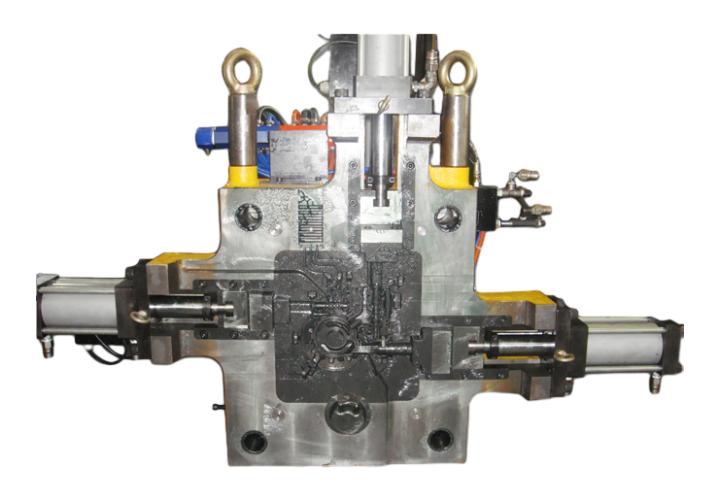
Die casting involves forcing molten aluminum into a mold under high pressure. This technique is renowned for producing precise and intricate designs, making it suitable for mass production.
Sand Casting
Sand casting is one of the oldest casting methods, combining sand with a binder to create molds. While it may not offer the same precision as die casting, it is ideal for larger components and intricate details.
Investment Casting
Investment casting, or lost-wax casting, allows for high levels of detail and precision. The process entails creating a wax model, coating it in a ceramic shell, and then melting away the wax to leave a mold for the aluminum.
The Benefits of Using Aluminum in Prototype Casting
Aluminum stands out as a premier material for prototype casting for several reasons:
Lightweight and Durable
Aluminum is significantly lighter than many alternative metals, which makes it an excellent choice for industries where weight reduction is essential, such as aerospace and automotive. Additionally, it offers a high strength-to-weight ratio, enhancing durability without compromising performance.
Corrosion Resistance
One of the most notable attributes of aluminum is its natural resistance to corrosion. This characteristic extends the lifespan of cast components, making them suitable for various environments.
Excellent Thermal and Electrical Conductivity
Aluminum exhibits exceptional thermal and electrical conductivity, making it a preferred choice for applications that require efficient heat dissipation or electrical transfer.
Innovative Techniques in Aluminum Prototype Casting
As technology evolves, so does the approach to aluminum prototype casting. Here are some innovative techniques that are transforming the industry:
3D Printing and Additive Manufacturing
The integration of 3D printing in aluminum casting has allowed for unparalleled design freedom. This method enables the creation of complex geometries that traditional casting techniques may struggle to achieve.
Computer-Aided Design (CAD)
Advanced CAD software revolutionizes the design phase by allowing engineers to visualize and simulate the casting process. This capability enhances accuracy and efficiency, significantly reducing the likelihood of errors.
Challenges in Aluminum Prototype Casting
Despite its advantages, aluminum prototype casting is not without challenges. Understanding these challenges is essential for successful implementation.
Thermal Management
One of the primary challenges in aluminum casting is managing the cooling rate of the molten metal. Uneven cooling can lead to defects such as warping or cracking.
Dimensional Accuracy
Achieving precise dimensions is crucial in prototype casting. Variations in temperature and material quality can impact the final dimensions of the cast product, necessitating stringent quality control measures.
Applications of Aluminum Prototype Casting
The versatility of aluminum prototype casting allows it to be used across various sectors. Below are some notable applications:
Automotive Industry
Aluminum casting is prevalent in the automotive industry, where weight reduction is vital for fuel efficiency. Components like engine blocks, transmission housings, and structural parts are often produced through this method.
Aerospace Industry
In aerospace, aluminum’s lightweight and durable nature makes it suitable for critical components. Casting techniques help produce parts with high precision and performance reliability.
Consumer Products
From kitchenware to electronics, aluminum prototype casting is employed to create aesthetically pleasing and functional consumer goods. The ability to create intricate designs enhances product appeal and utility.
Quality Control in Aluminum Prototype Casting
Ensuring high-quality output is paramount in aluminum casting. Implementing rigorous quality control measures can prevent costly mistakes and enhance product reliability.
Inspection Methods
Utilizing advanced inspection technologies, such as X-ray and ultrasonic testing, can help identify internal defects. Visual inspections are also essential for ensuring surface finish and dimensional accuracy.
Material Selection
Choosing the right aluminum alloy is critical for achieving the desired mechanical properties. Different alloys offer varying strengths, corrosion resistance, and workability, impacting the final product's performance.
Future Trends in Aluminum Prototype Casting
As industries strive for innovation, several trends are shaping the future of aluminum prototype casting:
Sustainability Initiatives
With increasing focus on sustainability, manufacturers are seeking eco-friendly practices in aluminum casting. This includes recycling aluminum scrap and minimizing waste during the casting process.
Smart Manufacturing
Integrating smart technology into casting processes will improve efficiency and precision. IoT devices and real-time analytics can optimize production and predictive maintenance, leading to enhanced outcomes.
Conclusion
The art of creating intricate designs through aluminum prototype casting marries creativity with engineering precision. As we continue to explore the possibilities within this process, the potential for innovation remains boundless. By understanding the advantages, challenges, and future trends, manufacturers can harness the power of aluminum casting to produce not only aesthetically appealing designs but also functional and durable products. Embracing advanced technologies and sustainable practices will undoubtedly pave the way for a brighter future in manufacturing.
FAQs
1. What is aluminum prototype casting used for?
Aluminum prototype casting is primarily used for creating prototypes in industries such as automotive, aerospace, and consumer products, allowing for the testing of designs before mass production.
2. How does the die casting process work?
In die casting, molten aluminum is injected into a mold under high pressure. Once cooled, the mold is removed to reveal the cast part, allowing for precise and intricate designs.
3. What are the advantages of using aluminum for prototypes?
Aluminum is lightweight, durable, corrosion-resistant, and has excellent thermal and electrical conductivity, making it an ideal choice for various applications.
4. What challenges can arise in aluminum casting?
Challenges in aluminum casting include thermal management, dimensional accuracy, and ensuring the right material properties through careful alloy selection.
5. How is quality controlled in aluminum prototype casting?
Quality control in aluminum casting involves inspection methods, such as X-ray testing and visual inspections, along with careful material selection to ensure consistent quality.
prototype aluminum casting
Previous Page
Previous Page
09
2026-09
Understanding Die Casting Molds: The Backbone of Precision Manufacturing
06
2026-09
Unlocking Potential: The Advantages of Custom Aluminum Casting in Machinery Manufacturing
03
2026-09
The Essential Guide to Zinc Casting in Die-Casting and Forging Molds
31
2026-08
Precision Engineering: The Transformative Role of Zinc Die Casting in Tool Development
28
2026-08
Unlocking the Potential of Die Casting Machines in Metalworking
25
2026-08
Driving Innovation through Aluminum Die Casting: The Future of Manufacturing
22
2026-08
The Essential Guide to Aluminum Alloy Molds: Enhancing Manufacturing Efficiency
GM Diecasting Technology Co.,Limited.
Add:Building 1-5, Chongke Road, Shipai Town, Dongguan City, Guangdong Province
Email:henry@gmdiecastingtech.com
Email:lily@gmdiecastingtech.com
Tel:+8613680864695